
Herbs for high blood pressure are often promoted as natural alternatives to medicine. That framing can be dangerous. Hypertension commonly causes no symptoms, yet uncontrolled blood pressure can damage the heart, brain, kidneys and eyes. No herb or supplement has been shown to replace prescribed antihypertensive treatment.
Some foods and botanical products have been studied and may produce small changes in blood pressure for certain people. “Natural,” however, does not mean harmless. Products can interact with medicines, vary in strength and quality, or even raise blood pressure. The safest approach is to treat them as possible additions to a clinician-led plan—not cures.
MAKE YOUR BLOOD PRESSURE PLAN PRACTICAL
A one-on-one consultation can help you organise sustainable routines for meals, activity, sleep and home monitoring while you continue appropriate medical care.
First: What the Evidence Can—and Cannot—Tell Us
Research on supplements is difficult to compare. Studies may use different plant varieties, doses, extracts and treatment periods. A result from a standardised research product may not apply to a tea, powder or capsule sold online. Even when an average reduction is reported, the effect is usually modest and not guaranteed for an individual.
The US National Center for Complementary and Integrative Health notes that some complementary approaches may help produce small reductions, but no dietary supplement has effects comparable to medicines used for hypertension. Blood pressure should therefore be measured, not judged by how calm or energetic you feel.
1. Garlic: Possible Small Benefit, Real Interaction Risk
Garlic has been studied in food and supplement forms. Some analyses suggest certain garlic preparations may modestly lower blood pressure, but studies vary and the ideal product or dose is not established.
Garlic in ordinary food amounts is generally different from a concentrated supplement. Supplements can increase bleeding risk, especially around surgery or when combined with anticoagulant or antiplatelet medicines. They may also cause digestive symptoms. Discuss concentrated garlic products with a clinician or pharmacist before use.
2. Hibiscus Tea: Promising but Not a Substitute
Hibiscus tea has attracted attention because small studies have reported blood-pressure reductions. It can be a low-sugar beverage choice for some adults, but the evidence does not make it a replacement for medication or follow-up.
Products and brewing strength vary, and hibiscus may add to the effect of blood-pressure-lowering medicine. Pregnancy, kidney or liver conditions and multiple medicines are reasons to seek individual advice before using concentrated preparations.
3. Flaxseed: Think Food Pattern, Not Miracle Ingredient
Ground flaxseed provides fibre and unsaturated fats, and research suggests it may support cardiovascular health as part of an overall healthy eating pattern. It is more useful to think of it as one food among many than as a treatment.
Increase fibre gradually and take it with adequate fluid unless a clinician has advised fluid restriction. Because fibre can affect absorption, ask a pharmacist whether flaxseed should be separated from specific medicines. Whole seeds may pass through the gut undigested; ground flaxseed is commonly easier to use in porridge, yoghurt or meals.
4. Tea and Cocoa: Pay Attention to the Whole Product
Tea polyphenols and cocoa flavanols have been studied for possible small cardiovascular effects. The product matters: sugary bottled tea, energy drinks and chocolate high in sugar and saturated fat are not equivalent to unsweetened tea or minimally processed cocoa.
Caffeine can temporarily raise blood pressure in some people. If you are sensitive, compare readings taken under consistent conditions and discuss persistent changes with your healthcare professional.
5. Dietary Potassium: Food Is Usually the Safer Route
Potassium-rich foods—such as beans, lentils, vegetables, fruit and yoghurt—can support a heart-healthy eating pattern and help balance sodium intake. Potassium supplements and potassium-containing salt substitutes are different: they can be dangerous for people with kidney disease or those taking certain blood pressure or heart medicines.
Do not start a potassium supplement or salt substitute without checking whether it is safe for you. A clinician may need to review kidney function and medicines first.
Herbs and Supplements That May Raise Blood Pressure
6. Liquorice Root
Liquorice containing glycyrrhizin can cause sodium retention, lower potassium and raise blood pressure. The risk can be greater with frequent use, heart or kidney disease, and certain medicines. Liquorice flavouring in confectionery is not always the same as liquorice-root extract, so read labels carefully.
7. Bitter Orange
Bitter orange contains stimulant-like compounds and is sometimes sold in weight-loss or sports supplements. It may increase heart rate or blood pressure, particularly when combined with caffeine or other stimulants. Avoid assuming that a “fat burner” is cardiovascularly safe because it uses plant ingredients.
8. Ephedra or Ma Huang
Ephedra is associated with serious cardiovascular risks, including high blood pressure, abnormal heart rhythms, heart attack and stroke. It should not be used to self-treat fatigue, weight concerns or blood pressure. Products sold through unregulated channels may also contain undeclared stimulants.
9. Ginseng
Different species and preparations of ginseng can have different effects. Ginseng may affect blood pressure, blood sugar and blood clotting and can interact with medicines. Evidence is not strong enough to recommend it as hypertension treatment.
10. Yohimbe and Multi-Ingredient “Energy” Products
Yohimbe can cause rapid heart rate, blood pressure changes, anxiety and other serious adverse effects. Multi-ingredient energy, sexual-performance and weight-loss supplements are particularly difficult to evaluate because the combination and actual dose may be unclear.
How to Use Supplements More Safely
- Do not stop prescribed medicine. If side effects or cost are a problem, ask the prescriber or pharmacist about safer options.
- Bring a complete list. Include teas, powders, gummies, traditional remedies and over-the-counter products—not just prescription medicines.
- Avoid proprietary blends. A label that hides individual amounts makes risks harder to assess.
- Change one thing at a time. This makes side effects and blood-pressure changes easier to identify.
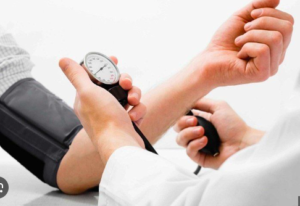
- Measure consistently. Use a validated upper-arm monitor and follow correct technique.
- Report adverse effects. Palpitations, fainting, swelling, severe headache or unusual bleeding deserve prompt advice.
For practical monitoring guidance, read seven assessment and education priorities for hypertension. If low energy is your main concern, see what fatigue may—and may not—mean when blood pressure is high.
When High Blood Pressure Needs Urgent Help
Seek urgent medical assessment for a very high reading accompanied by chest pain, severe shortness of breath, weakness or numbness, confusion, difficulty speaking, a sudden severe headache or sudden vision change. Do not delay emergency care while trying a tea, tincture or supplement.
Sources
- National Center for Complementary and Integrative Health: Hypertension and complementary approaches
- World Health Organization: Hypertension
This article is for general education and does not replace diagnosis, medication advice or treatment from your doctor, pharmacist or another qualified healthcare professional.
CHOOSE SAFE, SUSTAINABLE SUPPORT
Get personalised help building everyday habits around your medical plan—without miracle claims or pressure to replace essential treatment.
Anthony Ofori | Medical Graduate in General Medicine | Founder, WellNest Central

Pingback: 7 Crucial High Blood Pressure Nursing Diagnosis Tips That Could Save Lives - Wellnest Central
Pingback: Can High Blood Pressure Cause Fatigue? 3 Warning Signs You Shouldn’t Ignore - Wellnest Central
Pingback: Energy Supplements After 40: Evidence, Safety and Red Flags - Wellnest Central