
Familial Hypercholesterolemia
Very high cholesterol can run in families. Learn what raises suspicion for familial hypercholesterolemia and how diagnosis can guide family screening.
Very high cholesterol can run in families. Learn what raises suspicion for familial hypercholesterolemia and how diagnosis can guide family screening.

Normal daytime readings do not always describe blood pressure during sleep. Learn what nighttime monitoring can clarify and what to ask next.

A glucose tolerance test examines your response to a measured glucose drink. Learn when it can add information beyond fasting glucose and A1C.
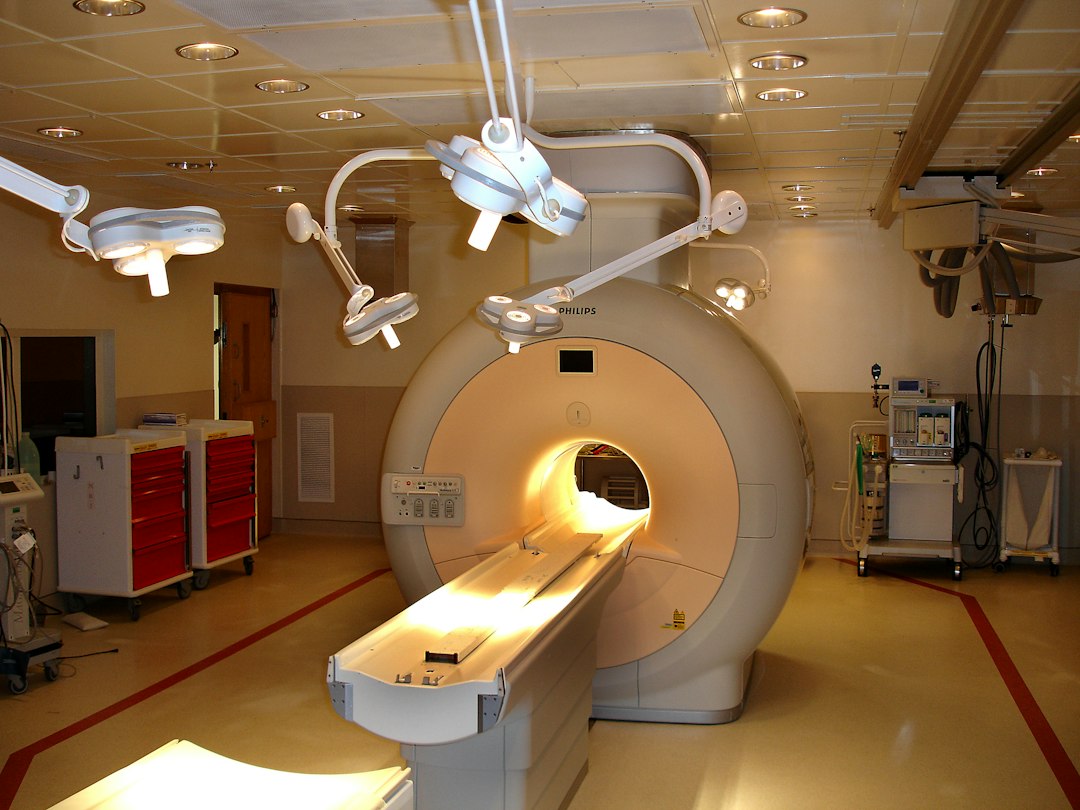
Kidney swelling on a scan needs an explanation. Learn how hydronephrosis differs from kidney failure and what determines the next step.

A bone density result is one part of fracture risk assessment. Learn what a DXA scan measures and how to prepare for a useful follow-up discussion.

Positive thyroid antibodies can be confusing when hormone results are normal. Learn what the tests mean and what a sensible follow-up plan includes.

Persistent greasy stools, weight loss, and digestive symptoms need assessment. Learn how pancreatic enzyme problems are investigated and treated.

Persistent insomnia may need more than a bedtime routine. Learn what CBT-I involves and how to find a treatment plan that fits your circumstances.

Early fullness, nausea, and unpredictable glucose can raise questions about stomach emptying. Learn what evaluation and individualized care involve.

Excess aldosterone can contribute to high blood pressure. Learn how screening works and why preparation and interpretation need clinical guidance.