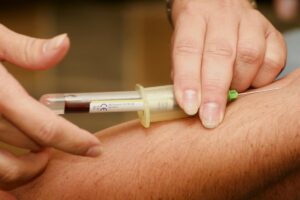
Quick answer: A high uric acid result does not mean you have gout. Many people have elevated urate without joint symptoms, and a single blood test cannot tell whether crystals have formed. The result is worth reviewing with a healthcare professional in the context of your history, medicines, kidney health and any past joint pain or kidney stones.
You open a blood-test report and see “uric acid: high.” Your big toe does not hurt. In fact, you feel well. Should you ignore the number, change everything you eat or ask for a gout medicine? The useful first step is simpler: work out what the result means for you.
Anthony Ofori | Medical Graduate in General Medicine | Founder, WellNest Central
Last updated: 30 September 2026
WellNest Central support
Make sense of the whole picture
We can help you organise your health habits, questions and test history before a conversation with your healthcare professional.
What does a high uric acid blood test measure?
Uric acid, also called urate, is made when the body breaks down purines from its own cells and from certain foods. The kidneys remove much of it through urine. A level may rise when the body makes more than usual, removes too little or both. A blood result is a snapshot of the amount circulating at the time of the test. The MedlinePlus uric acid test guide explains why the test may be ordered and why an elevated result needs context.
Read the value, units and laboratory reference range together. Your clinician may compare the result with earlier measurements and decide whether a repeat or further assessment is useful. Do not use a threshold from a social-media post as your personal diagnosis.
Does high uric acid mean gout is starting?
No. Gout occurs when urate crystals build up in and around a joint and trigger inflammation. The National Institute of Arthritis and Musculoskeletal and Skin Diseases notes that many people with high serum urate never develop gout. An elevated blood test alone does not prove you have it.
Gout usually produces a sudden attack of intense pain, warmth, redness and swelling, often in the big toe but sometimes in an ankle, knee or another joint. Other conditions, including joint infection, can also cause a hot, painful joint. Seek prompt medical assessment for a new severely painful, swollen joint, especially if you have fever or feel unwell. A clinician may use the examination, your history and sometimes joint-fluid testing to establish the cause.
Why might uric acid be high without symptoms?
Kidney handling and other health factors
Because the kidneys help clear uric acid, reduced kidney function can affect the level. A history of kidney stones, high blood pressure, diabetes or other health conditions may change what your clinician wants to review. A uric acid result is not itself a measure of kidney filtration. If kidney health is a concern, our guide to eGFR, urine albumin and urinalysis explains why different tests answer different questions.
Medicines, drinks and food patterns
Some medicines, including certain diuretics, can raise uric acid. Aspirin and niacin may also affect test results. Alcohol, sweetened drinks and frequent large portions of some purine-rich animal foods can play a part. This does not mean one dinner caused the result or that every plant food containing purines must be banned. Bring a complete list of prescribed medicines, over-the-counter products and supplements to the appointment. Do not stop a medicine on your own.
What about kidney stones?
High uric acid can be part of a stone-risk picture, but it does not show that you have a stone. NIDDK explains that uric acid stones may form when urine is too acidic; stone type and prevention require proper evaluation. Tell your clinician about previous stones, flank pain or blood in the urine. Severe side or back pain, visible blood in the urine, fever with urinary symptoms, vomiting or difficulty passing urine warrants prompt medical care.
Do you need medication if you feel fine?
Not automatically. MedlinePlus notes that a high result does not always indicate a condition needing treatment. The choice depends on more than a number: a confirmed gout diagnosis, recurrent flares, stones, kidney findings, other illnesses and the overall clinical situation all matter. If you already take a urate-lowering medicine, do not stop or change it because one test appears improved. Ask the prescribing clinician how it should be monitored.
Be wary of products marketed as a “uric acid detox” or guaranteed gout prevention. A supplement cannot tell you whether the raised value reflects kidney handling, medicines or another issue, and it should not replace an assessment when symptoms are present.
Practical steps to discuss now
- Review the full report: note the uric acid value and units, past results and any kidney or metabolic tests.
- Share your history: mention painful joints, kidney stones, family history, recent illness and all medicines or supplements.
- Choose sustainable habits: discuss water intake appropriate for your health, alcohol, sweetened drinks, eating patterns, movement and gradual weight changes where relevant.
- Agree on follow-up: ask whether the test should be repeated and what change in symptoms or results would alter the plan.
If other metabolic results are flagged as well, it is useful to review the pattern rather than chase each number separately. For example, our article on high triglycerides with a normal-looking LDL result explains another reason to consider the full health picture.
The takeaway
High uric acid without gout symptoms is a prompt for context, not a diagnosis. Most people with an elevated level do not automatically have gout or need a urate-lowering drug. Review your history and the rest of the report with a healthcare professional, and seek prompt care if a hot swollen joint or possible kidney-stone symptoms appear. For help preparing practical questions and lifestyle notes, connect with WellNest Central.
This article provides general health education and does not replace individual medical advice, diagnosis, treatment or emergency care.