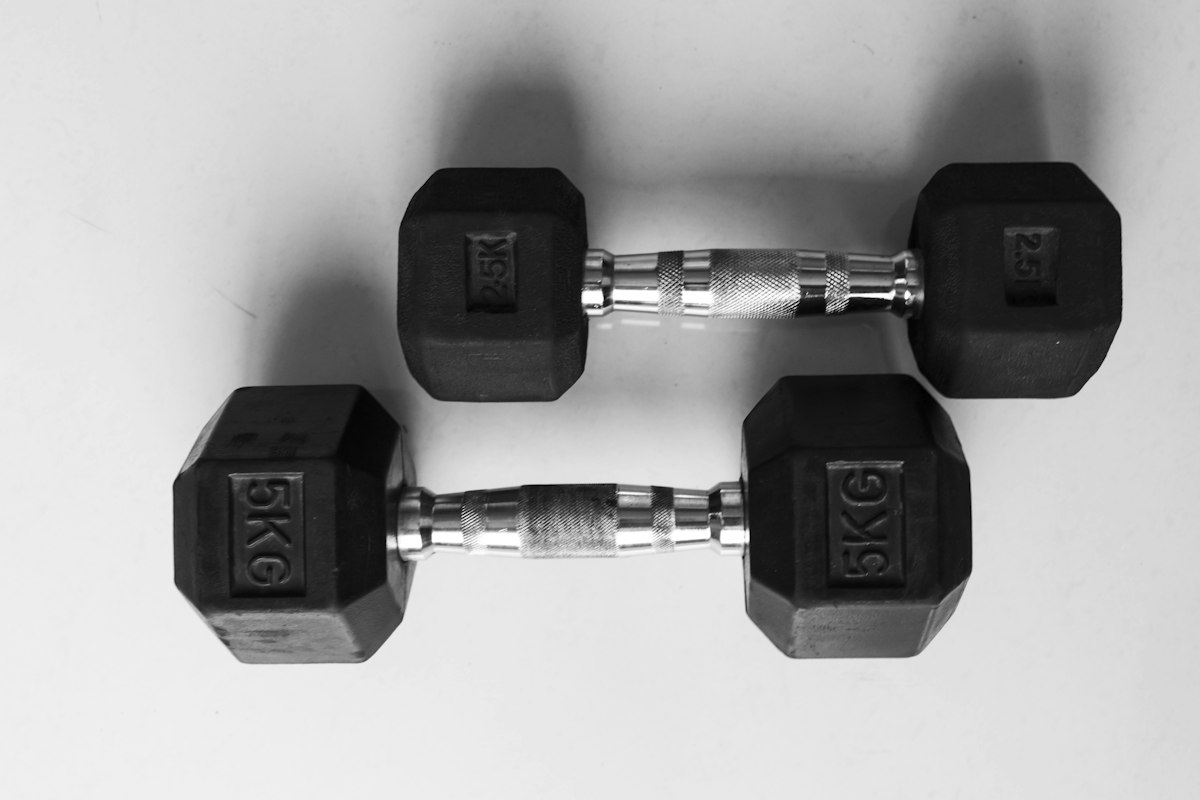
Losing Inches but Not Weight: How to Measure Your Progress
A stable scale does not tell the whole story. Learn how to compare waist measurements, weight trends, strength, and health markers without guessing.
A stable scale does not tell the whole story. Learn how to compare waist measurements, weight trends, strength, and health markers without guessing.
Your resting pulse can reflect fitness, stress, illness, medicines and recovery. Learn the normal adult range, how to measure it and which changes deserve attention.

Morning light helps tell your body when to feel awake and when to prepare for sleep. Learn how to use this free daily habit safely and consistently.

A gentle 10-minute walk after a meal can support post-meal blood-sugar management and make daily movement easier to maintain. Here’s how to start safely.

Hungry soon after breakfast? Learn how protein, fibre, healthy fats, fluids and overall meal size can help you build a more satisfying morning meal.

Exercise snacks are short bursts of purposeful movement that can help busy adults sit less and build a more active routine. Learn six practical ways to begin safely.

Weight regain is common and is not simply a failure of willpower. Learn how appetite, sleep, stress, muscle, environment and restrictive dieting can affect maintenance—and what helps.
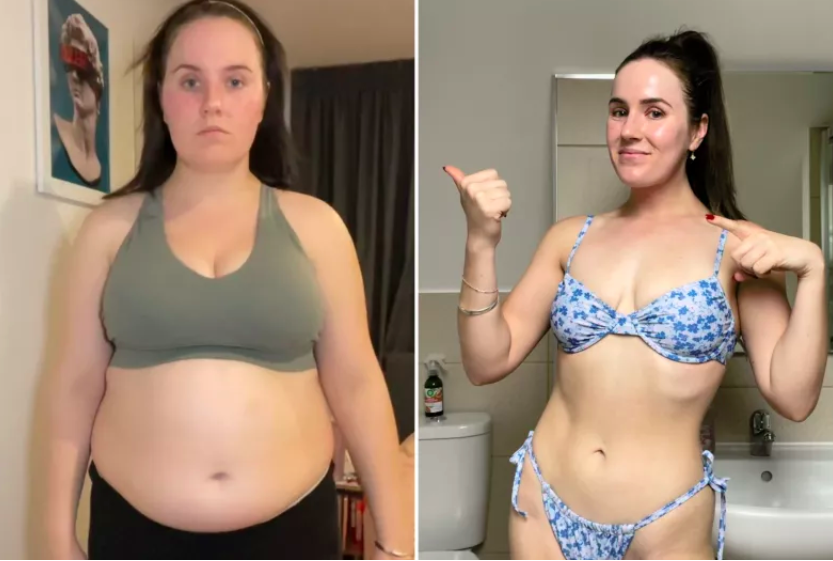
Weight loss can change facial fullness, definition, skin and confidence—but results vary. Learn seven common changes and how to support healthy, gradual progress.

Hair shedding can appear a few months after rapid weight loss, illness or major stress. Learn about telogen effluvium, nutrition, warning signs and when to seek help.

Not losing weight on semaglutide as expected? Review seven possible reasons, what progress can look like and when to speak with your prescriber—without changing the dose yourself.