By Anthony Ofori | Medical Graduate in General Medicine | Founder, WellNest Central
Updated 7 October 2026
Psyllium husk can help with constipation by absorbing water and adding bulk to stool. It is a fibre supplement that needs adequate liquid and careful attention to its label. If you are thinking of trying it, understanding how to take it matters as much as choosing a product.
This guide explains where psyllium fits into a practical fibre routine, what to look for on the packet and when to ask a pharmacist or doctor for advice.
What is psyllium husk?
Psyllium is a bulk-forming laxative, also called ispaghula husk. As it absorbs liquid in the bowel, it swells and helps produce a stool that is easier to pass. It comes in several forms, including powders, granules and capsules.
WellNest Central support
Build a nutrition routine that fits your life
Explore support with food habits, lifestyle choices and questions about your supplement routine.
Start with the fibre in your meals
A supplement can be one part of a routine, while everyday foods offer a wider variety of nutrients. The NIDDK gives an adult fibre range of 22–34 grams a day, depending on age and sex, and advises increasing fibre gradually.
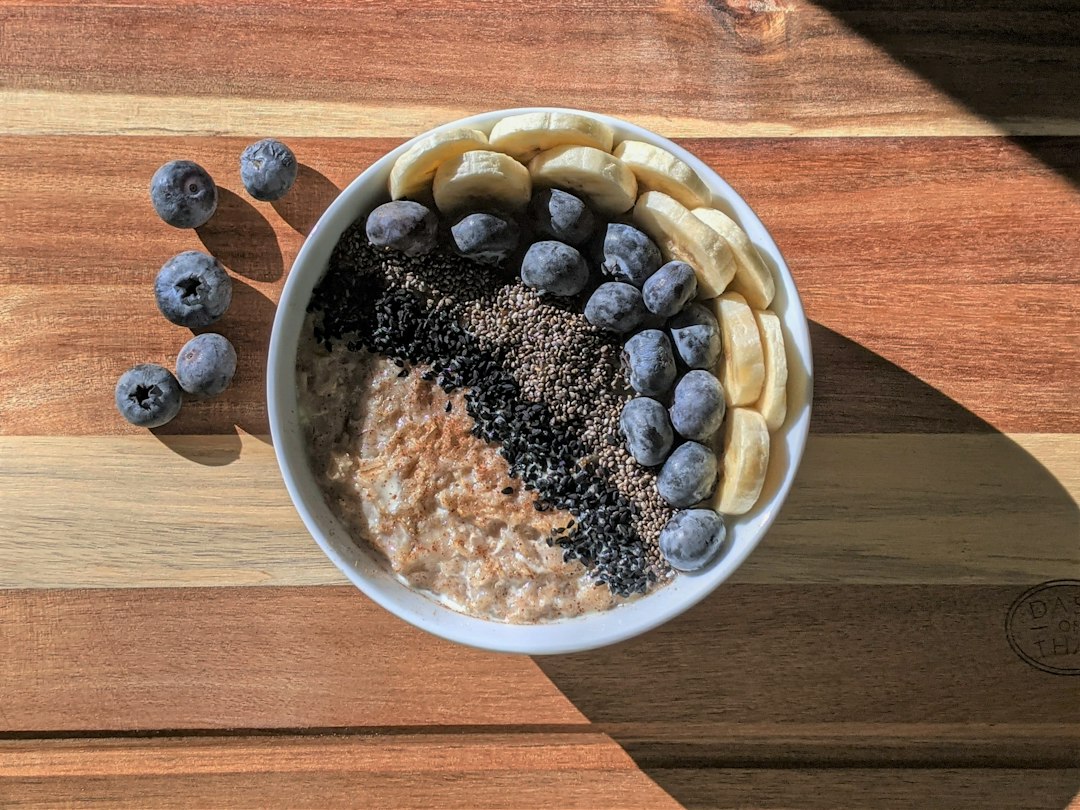
Useful sources include oats, wholegrain bread, lentils, chickpeas, vegetables, fruit and nuts. Pick one change you can comfortably repeat: porridge at breakfast, beans added to lunch or a piece of fruit as a snack.
Drink enough fluid to help fibre work. If a clinician has given you a fluid restriction, ask how a fibre supplement should fit that plan before starting.
How to take psyllium husk safely
Never swallow loose psyllium powder dry. Mix it as directed and drink it promptly. MedlinePlus advises mixing psyllium powder or granules with 240 ml of liquid and taking at least that amount of liquid with a dose.
Instructions vary between formulations. For example, NHS guidance for Fybogel sachets specifies at least 150 ml of cold water, immediate drinking and extra fluid through the day. Follow the instructions for the actual product you buy rather than borrowing a scoop size from another brand.
- Check the serving size and mixing directions before your first dose.
- Measure the product with the supplied measure or as the label instructs.
- Do not increase the dose because results seem slow.
- Ask your pharmacist how to separate it from your medicines.
Keep the packet somewhere you can reread it easily. A simple note of the product name, amount and time taken can also make a discussion with your pharmacist more useful.
Should you take it before or after food?
The best timing depends on the formulation. The NHS recommends taking Fybogel after a meal or snack, with its evening dose at least an hour before bed. Avoid assuming those directions apply to every psyllium product.
Medication spacing also needs individual advice. Some medicines require longer gaps than others; MedlinePlus identifies a three-hour separation for digoxin, salicylates and nitrofurantoin. Bring your full medicine and supplement list to your pharmacist.
Choosing a fibre supplement with purpose
Compare the amount of psyllium per serving, the fluid instructions, additional ingredients and how easy the format is to use. A larger-looking scoop does not automatically mean a better choice. Plain powders, flavoured granules and capsules may suit different preferences.
For a wider introduction to choosing supplements, visit our supplement guide. You can also Explore our recommended supplements to compare options from Body Attack, Life Extension and i Supplements by purpose.
Our recommendations page includes affiliate links. If you purchase through them, WellNest Central may earn a commission at no extra cost to you.
When to ask for medical advice
Check with a clinician before using psyllium if you have swallowing difficulties, suspected bowel blockage or rectal bleeding. Seek urgent help for difficulty breathing or swallowing after a dose.
Persistent constipation deserves assessment. NHS guidance advises speaking to a doctor if constipation worsens or has not improved after three days of Fybogel. MedlinePlus advises against using psyllium for constipation beyond one week without a doctor’s instruction.
Your next step
Begin by reviewing your meals and reading the product instructions. If you need a fibre supplement, choose a format you can take correctly and ask your pharmacist about medicines and fluid needs. A manageable routine is easier to maintain than changing several things at once.
Would you like personalised support building a practical nutrition routine?
During a private WellNest Central consultation, we can explore your food habits, lifestyle goals and questions about your supplement routine.
Book Your One-on-One Consultation
This article provides general health education and does not replace individual medical diagnosis, treatment or emergency care.