Anthony Ofori | Medical Graduate in General Medicine | Founder, WellNest Central
Last updated: October 14, 2026
This article is general health education. Do not change blood pressure medicines without guidance from your prescribing clinician.
Taking several medicines and still seeing high blood pressure readings can feel discouraging. You may wonder whether the medicines have stopped working or whether another tablet is the only option.
Resistant hypertension describes a specific situation that needs careful assessment. A high reading while taking medication is a reason to review the plan, but it does not establish this diagnosis on its own.
The next step is to check the measurement, understand the treatment actually being taken, and look for factors that may be keeping blood pressure elevated. This process can uncover useful changes without treating every number as a separate emergency.
What does resistant hypertension mean?
The American Heart Association’s scientific statement summary describes blood pressure above the agreed goal despite three appropriate medication classes at maximally tolerated doses, usually including a diuretic. Blood pressure controlled with four or more medicines also falls within the definition.
Confirmation requires attention to whether medicines are being taken as intended and whether readings outside the clinic support the diagnosis. The exact treatment goal is individualized.
That is why a list of tablet names or one difficult clinic visit cannot answer the whole question. Some people have apparent treatment resistance that changes once measurement or treatment practicalities are addressed.
Build a clearer picture of your routine
For educational support with lifestyle habits and preparing questions for your clinician, Explore consultation options. Medication assessment belongs with your prescribing team.
Start by checking the readings
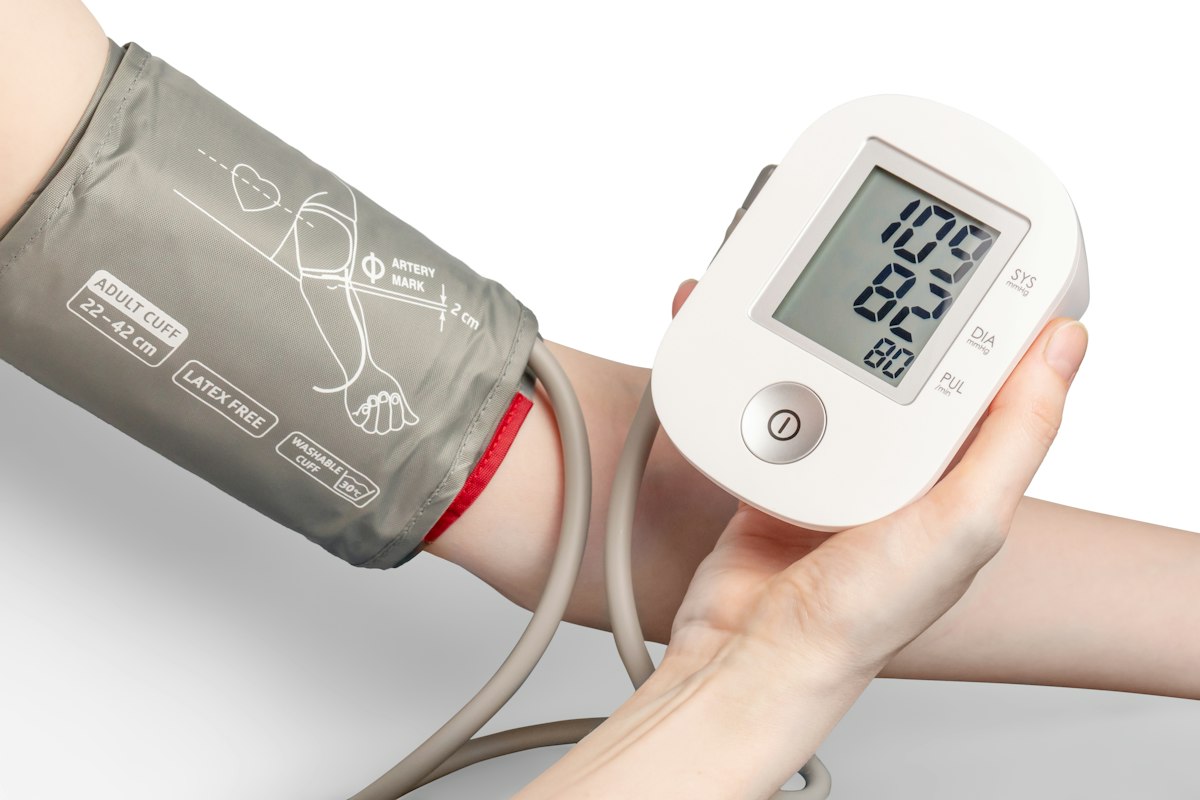
A monitor that fits poorly or a rushed measurement can give misleading information. Bring your device to an appointment and ask the team to check the cuff size and technique.
When recording at home, follow the measurement schedule your clinician recommends. Use a consistent setup and record the results honestly, including readings you dislike. A record containing only the lowest numbers hides the pattern the team needs to see.
Our guide to blood pressure cuffs that are too small explains a common equipment issue. If clinic and home results disagree, 24-hour blood pressure monitoring may help clarify the picture.
Bring dates, times, medication timing, and any symptoms with your log. You do not need to measure repeatedly all day unless specifically instructed. Ask for a clear schedule and a clear action plan instead.
Review how the medicines fit into real life
A medicine can be appropriate on paper and difficult to take consistently. Shift work, side effects, prescription costs, running out of tablets, and confusing instructions can all interfere.
Tell your clinician what happens on an ordinary week, including missed doses. This is information for improving the plan, not a test of character. Ask whether the schedule can be simplified or whether an unwanted effect has another solution.
Bring all medicine containers or a current list. Include pain medicines, decongestants, stimulants, supplements, and products purchased online. Ask a pharmacist to check for ingredients that could affect blood pressure or interact with your treatment.
The AHA patient guide to resistant hypertension discusses medication effects and underlying conditions that may contribute. Never stop an essential medicine because it appears on a list of possible contributors; ask the prescriber to weigh the alternatives.
Could another condition be involved?
Depending on the history and examination, clinicians may investigate kidney disease, hormone-related causes such as excess aldosterone, narrowing of kidney arteries, or obstructive sleep apnea. Testing is selected for the individual rather than ordered as one universal panel.
Mention snoring, witnessed breathing pauses, daytime sleepiness, swelling, or a noticeable change in your health. Also mention a family history of unusually early hypertension or stroke.
The aim is to identify a cause that changes management. An internet checklist cannot determine which explanation applies, and having one possible symptom does not establish a diagnosis.
Lifestyle changes still matter alongside treatment
Treatment resistance does not make daily habits irrelevant. The AHA report on a structured lifestyle trial describes improvements with a program combining dietary changes, activity, and weight management. A supervised program is not the same as a promise that one food or supplement will control your readings.
Choose a practical starting point with your team. For example, compare sodium labels on foods you eat frequently, plan activity appropriate for your health, or discuss reducing alcohol if relevant. If you have kidney disease or take medicines affecting potassium, ask before using potassium-based salt substitutes.
Make the change specific enough to repeat. “I will check the sodium content of my usual bread and soup” is easier to act on than “I will eat perfectly.” Record what is achievable and review progress at the next appointment.
Know when a reading needs urgent help
Very high blood pressure with chest pain, breathlessness, new weakness, trouble speaking, confusion, or vision changes needs emergency assessment. Do not wait to see whether an extra tablet helps.
If a reading is around 180 systolic or 120 diastolic or higher without symptoms, rest briefly, repeat it, and obtain prompt medical guidance if it remains very high. Follow any more specific plan your own clinician has given you. Concerning symptoms warrant urgent care even when the number is lower.
Leave the appointment with a usable plan
Ask what your personal target is, which readings should trigger a call, and when the response to treatment will be reviewed. If a medicine changes, ask whether blood tests or other monitoring are needed.
Also ask who coordinates your care if several specialists are involved. One up-to-date medication list and one agreed home-monitoring plan can prevent conflicting instructions.
Resistant hypertension calls for persistence and a structured review. Your role is to provide an accurate picture of daily treatment and measurements; your clinical team can use that picture to choose the next step.
Support for sustainable routines
For educational help with everyday habits and organizing your health questions, Explore One-on-One Consultation Options, alongside continued medical care.



Pingback: Nocturnal Hypertension: Why Blood Pressure Is High at Night