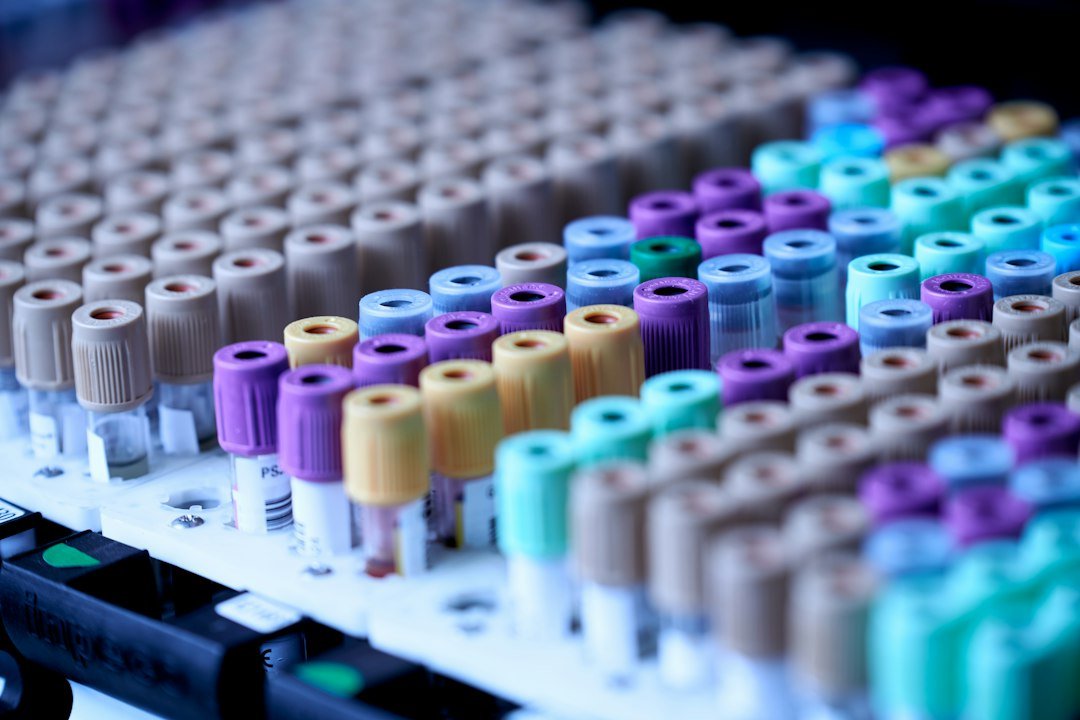
Featured image: Blood sample testing that may help explain a high ferritin result despite normal serum iron.
Anthony Ofori | Medical Graduate in General Medicine | Founder, WellNest Central
Last updated: October 23, 2026
This article provides general health education and does not replace individual medical advice, diagnosis, or treatment.
A ferritin result above the reference range does not automatically mean you have too much iron in your body. High ferritin with normal serum iron can reflect inflammation, liver problems, metabolic conditions, or several other causes.
Not sure what a high ferritin result means for you?
Understand your ferritin and iron results through a focused consultation covering possible explanations, relevant symptoms, and personalized health considerations.
What does ferritin measure?
Ferritin is a protein involved in storing iron. Blood ferritin often reflects iron stores, but it also rises as an acute-phase reactant during inflammation or illness. That is why ferritin must be interpreted alongside a medical history and other laboratory results.
Why serum iron can look normal
Serum iron fluctuates throughout the day and can change with meals, recent supplements, and illness. One normal iron measurement does not settle the question of iron overload. Transferrin saturation, total iron-binding capacity, and related tests often provide more useful context.
Common explanations for high ferritin
Inflammation or recent infection, liver injury, alcohol use, certain metabolic conditions, and some chronic illnesses can raise ferritin. Iron overload disorders are another consideration, particularly when transferrin saturation is elevated. The size and persistence of the elevation matter.
What follow-up tests might be recommended?
A clinician may repeat ferritin, assess transferrin saturation, review a complete blood count, and consider liver enzymes, inflammatory markers, or other testing based on the clinical picture. Genetic testing for hereditary hemochromatosis is not necessary for every mildly high result.
Should you stop iron supplements?
Do not continue taking iron merely because you feel tired without establishing a need. However, if iron was prescribed for a diagnosed deficiency, discuss any change with the prescribing clinician. Our supplement shopping page can help with product-label comparisons once your clinician has determined what nutrients, if any, are appropriate.
When should you be concerned?
Markedly or persistently high ferritin, abnormal liver tests, elevated transferrin saturation, unexplained fever, weight loss, or other systemic symptoms call for timely evaluation. Interpretation depends on the actual values rather than the label high alone.
Frequently asked questions
Is high ferritin the same as hemochromatosis?
No. Hemochromatosis is one possible explanation, not the default diagnosis.
Does normal hemoglobin rule out iron problems?
No. Hemoglobin is only one part of the assessment.
A step-by-step way to interpret abnormal iron tests
Understanding the pattern
First, look at the exact ferritin value, the laboratory reference range, and prior results. Mild elevations and very high or rapidly increasing values do not have the same implications. Your age, medical history, recent infections, and medications change the interpretation. Compare results from the same laboratory when practical, since reference intervals and testing methods can differ.
Interpreting the evidence
Next, understand why a normal serum iron value is not reassuring by itself. Serum iron measures circulating iron at one moment and can vary considerably. Ferritin reflects stored iron but rises in inflammatory states. Transferrin saturation, calculated using iron and binding capacity, helps determine whether excess circulating iron may be present. The combination is more informative than either test alone.
What to discuss with your clinician
Liver and metabolic health often enter the discussion. Fatty liver disease, alcohol use, and inflammatory conditions may be associated with higher ferritin. That does not mean everyone with high ferritin has liver disease or should start a detox program. A clinician may review liver enzymes, diabetes risk, inflammatory symptoms, and relevant exposures before deciding on the next test.
Daily-life considerations
Hereditary hemochromatosis is one condition that can cause excessive iron accumulation. Family history, ancestry, transferrin saturation, and repeated results influence whether genetic testing is appropriate. Ordering genetic testing indiscriminately after one mildly high ferritin result can produce confusion without improving care. The same caution applies to starting blood donation or therapeutic phlebotomy without a diagnosis.
Safety and follow-up
Do not try to lower ferritin by restricting all iron-containing foods or taking chelation products without medical direction. A healthy diet can usually continue while the cause is investigated. If you take iron or a multivitamin, document the formulation and the reason for using it. High-dose iron should generally have a clear clinical indication and follow-up plan.
Making a sustainable plan
Persistent symptoms such as unexplained weight loss, recurrent fever, joint pain, marked fatigue, abdominal symptoms, or unusual changes in blood counts should be mentioned at the appointment. Sometimes ferritin is a clue to a broader condition rather than the main problem. The goal is to identify what caused the result, not simply to force the number into range.
For another perspective on interpreting blood tests, see our article on high platelet count and follow-up.
What different iron results can tell you
Ferritin should be read as part of a group of tests, not as an isolated judgment about how much iron is in the body. Hemoglobin indicates whether anemia is present, while transferrin saturation helps evaluate how much circulating iron is bound to transport proteins. Markers of liver injury or inflammation may provide additional context when ferritin is elevated. Your healthcare professional may not need every test immediately; the appropriate sequence depends on the level, persistence, and your symptoms. Mild deviations discovered during a routine checkup often require a different evaluation from markedly abnormal results.
Keep a copy of prior test reports so trends can be compared. Mention recent infections or surgery, alcohol use, known inflammatory illnesses, family history of iron overload, and over-the-counter products that contain iron. If you have been asked to repeat the test, follow the laboratory’s preparation instructions rather than fasting or taking supplements based on conflicting internet advice. Treatment should be aimed at a confirmed cause. Taking medicines to remove iron, undergoing repeated blood draws, or eliminating nutritious foods without diagnosis can cause avoidable harm.
Key takeaways
Focus on the whole clinical picture rather than one symptom, number, or marketing claim. Document changes over time, bring questions to a qualified healthcare professional, and seek prompt attention for concerning symptoms. If you choose to shop for supplements, consider evidence, safety, and interactions first.
For further evidence, see MedlinePlus ferritin blood test overview.
Want help turning health information into practical questions for your next appointment? Explore One-on-One Consultation Options for educational support alongside your medical care.



Pingback: Low Ferritin Without Anemia: Can It Cause Fatigue and Hair Loss? - Wellnest Central