Anthony Ofori | Medical Graduate in General Medicine | Founder, WellNest Central
Last updated: November 5, 2026
For education only. This material does not replace individualized medical diagnosis or treatment.
Waking Up With a Headache: Could Sleep Apnea Be the Cause? The answer depends on clinical context; this guide explains how to interpret the pattern, what else to consider, and when to seek a professional assessment.
Looking for personalized wellness support?
Explore an individual medically informed consultation focused on your health priorities and daily habits.
Why headaches can appear on waking
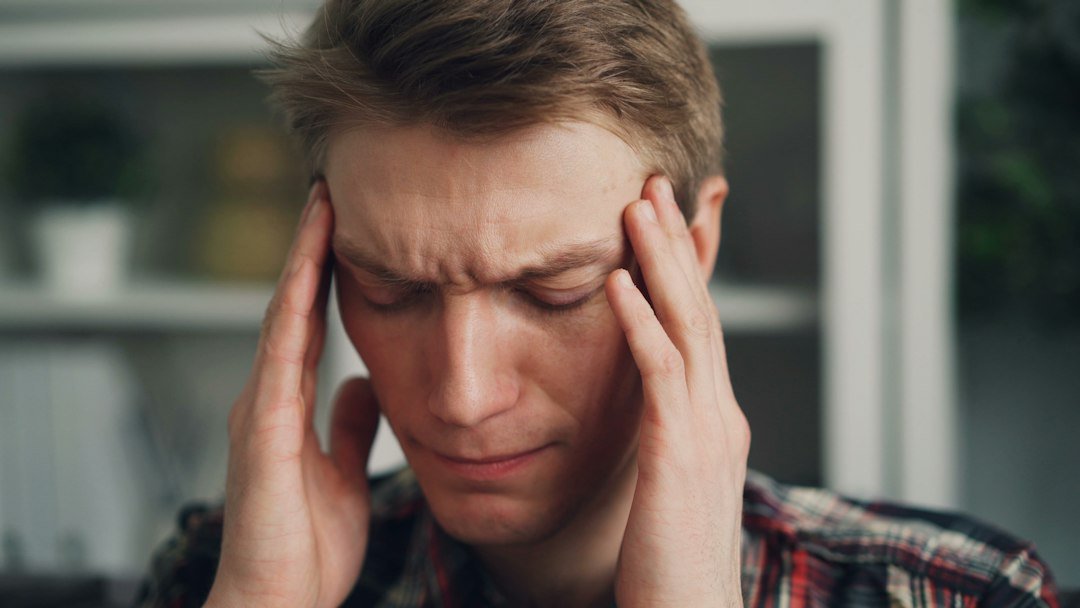
A headache that is present when you wake up may relate to sleep disruption, dehydration, teeth grinding, migraine, medication use, or other medical factors. Obstructive sleep apnea is one possible contributor, especially when loud snoring and excessive daytime sleepiness are present.
The timing alone cannot confirm sleep apnea. A professional assessment examines the headache pattern, other symptoms, medications, sleep schedule, and whether neurological warning signs are present.
How sleep apnea affects breathing
Obstructive sleep apnea causes repeated narrowing or closure of the upper airway during sleep. These episodes can disrupt sleep and sometimes reduce oxygen levels. A person may have repeated brief awakenings without remembering them.
Disrupted sleep and abnormal overnight breathing may contribute to morning headaches in some individuals, although the mechanism and severity differ. Treatment should address documented apnea rather than assuming every morning headache has the same origin.
Other clues that strengthen suspicion
Loud habitual snoring, witnessed pauses in breathing, gasping or choking during sleep, dry mouth, nighttime urination, and daytime fatigue may occur with sleep apnea. Some people have difficulty concentrating or feel sleepy while driving.
The NHLBI overview of sleep apnea symptoms includes morning headaches among possible features. Not everyone with apnea snores loudly; see our article about sleep apnea without snoring for additional context.
The headache pattern is not diagnostic
Sleep-apnea-related headaches are often described as present on awakening, but migraine, tension-type headache, sinus-related discomfort, and other conditions can overlap. Headache location and severity alone rarely identify the cause.
Note whether the pain improves after getting up, how many mornings per week it occurs, whether there is nausea or sensitivity to light, and whether others report disrupted breathing. A symptom diary may help guide evaluation.
How sleep apnea is tested
Clinicians may recommend a home sleep apnea test or an overnight laboratory sleep study depending on medical history and pretest probability. A home test can be appropriate for selected adults, but it is not ideal for every patient.
If a home test is negative despite strong clinical suspicion, additional evaluation may be needed. Oxygen recordings from consumer devices are not sufficient to diagnose or exclude sleep apnea. Test interpretation should be done by a qualified sleep clinician.
Treatment and headache improvement
Continuous positive airway pressure, known as CPAP, is an effective treatment for many people with obstructive sleep apnea. Oral appliances, weight-related interventions, positional strategies, and other treatments are appropriate in selected situations.
When apnea is contributing to headaches, effective treatment may improve them, but a persistent headache after treatment deserves separate evaluation. Proper mask fit, adherence, and follow-up matter more than assuming a machine will immediately resolve every symptom.
Other important causes to consider
Dehydration, poor sleep schedules, medication-overuse headache, high alcohol intake, and bruxism may contribute to morning symptoms. Blood-pressure issues and other medical conditions may also require consideration based on examination and history.
Do not assume sinusitis, sleep apnea, or a blood-pressure problem from the time of day alone. Reviewing caffeine intake, sleep duration, pain medication frequency, and associated neurologic symptoms helps avoid unnecessary treatment.
When a headache needs urgent attention
Seek emergency care for a sudden thunderclap headache, new neurological weakness, difficulty speaking, major vision changes, fever with a stiff neck, or severe headache after a head injury. New headaches that progressively worsen or change significantly deserve timely assessment.
If morning headaches recur with snoring or daytime sleepiness, arrange a sleep evaluation. If sleepy driving is an issue, avoid driving until it is addressed. A timely diagnosis can improve both sleep and broader health.
Make your appointment more productive
Record when the finding began, whether it has changed over time, accompanying symptoms, and any treatment or product use. Bring earlier laboratory results or other reports for comparison. Ask whether a repeat measurement is needed, what it would clarify, and what symptoms warrant earlier follow-up. A targeted plan is generally more useful than ordering every test at once.
Frequently asked questions
Does one abnormal finding establish a diagnosis?
No. Many clinical patterns have multiple possible causes, and interpretation depends on symptoms, examination, and related results. Avoid treating one number or symptom in isolation.
What if I feel otherwise well?
Being well is reassuring, but a persistent or significant abnormality can still warrant follow-up. The timing and type of evaluation depend on the full pattern.
A useful two-week morning-headache diary
For two weeks, note the time you wake, how long the headache lasts, its intensity, and whether there is nausea, light sensitivity, or neck discomfort. Record bedtime, sleep duration, alcohol consumption, and how often pain medication is used. If another person reports snoring, gasping, or pauses in breathing, include that information. A diary can reveal patterns that a brief appointment might miss.
Sleep apnea is particularly worth considering when morning headache occurs alongside loud snoring, daytime sleepiness, waking gasping, or repeated nighttime urination. However, the absence of snoring does not completely rule it out. The next step is a structured assessment rather than buying a breathing device or interpreting a smartwatch oxygen graph as a diagnosis.
Some headaches are related to frequent use of pain relievers, migraine, bruxism, or chronic sleep restriction. Treatment differs substantially among these causes. If CPAP is prescribed for confirmed sleep apnea, adherence and mask comfort can affect results. Headaches that continue despite apparently successful apnea treatment should be assessed separately instead of automatically increasing machine pressure.
Urgency depends on the headache characteristics. A sudden explosive headache, new weakness or speech difficulty, fever with neck stiffness, or an abrupt major vision change requires emergency evaluation. A progressively worsening pattern, new headaches after age 50, or significant changes in a usual headache pattern deserve prompt medical review. Routine recurrent headaches with sleep symptoms also merit a scheduled assessment.
Questions to discuss at a sleep consultation
At a sleep appointment, ask whether your combination of headaches, daytime sleepiness, snoring, and other symptoms suggests obstructive sleep apnea. If testing is recommended, clarify whether a home study is appropriate or whether a laboratory study would provide better information. People with complex medical conditions or certain sleep problems may require more detailed testing. Also ask whether the headache needs a separate neurological or primary-care evaluation. If apnea is confirmed, discuss treatment choices, expected benefits, and how improvement will be measured. Some people find that headaches improve with effective treatment, but the response varies and a headache may have multiple causes. Continue documenting patterns and discuss persistent pain, especially if it changes character. The goal is to treat confirmed sleep-disordered breathing while recognizing unrelated conditions that deserve their own care.
Key takeaways
Use the finding as a reason to ask focused questions, not to assume the worst. Seek timely assessment for concerning persistent symptoms and emergency help for serious warning signs.
For personalized medically informed wellness guidance, book your one-on-one consultation with WellNest Central.