Anthony Ofori | Medical Graduate in General Medicine | Founder, WellNest Central
Last updated: October 19, 2026
This article is for general health education and does not replace individual medical advice, diagnosis, or treatment.
Yes. Atrial fibrillation can occur without an obvious racing heart, chest discomfort, or breathlessness. Some people discover it during an examination, an electrocardiogram, or monitoring arranged for another reason.
That can feel confusing: if you feel well, why discuss treatment? The answer is that symptoms and the risk of complications are different questions. A person can have few symptoms and still need assessment of stroke risk and other aspects of heart health.
What is atrial fibrillation?
Atrial fibrillation, often shortened to AFib or AF, is an abnormal heart rhythm involving the upper chambers of the heart. It can be intermittent or persist over time. People experience it differently: some notice palpitations or reduced exercise tolerance, while others notice nothing unusual.
The CDC’s overview of atrial fibrillation confirms that some people do not know they have it because they have no symptoms. It also explains why complications, including stroke, are central to assessment.
An absence of symptoms therefore does not rule AFib out. Equally, feeling a skipped beat does not prove AFib is present. Many sensations and rhythm changes can produce palpitations. Our guide to heart palpitations explains why the symptom needs context rather than an assumed diagnosis.
How is symptom-free AFib found?
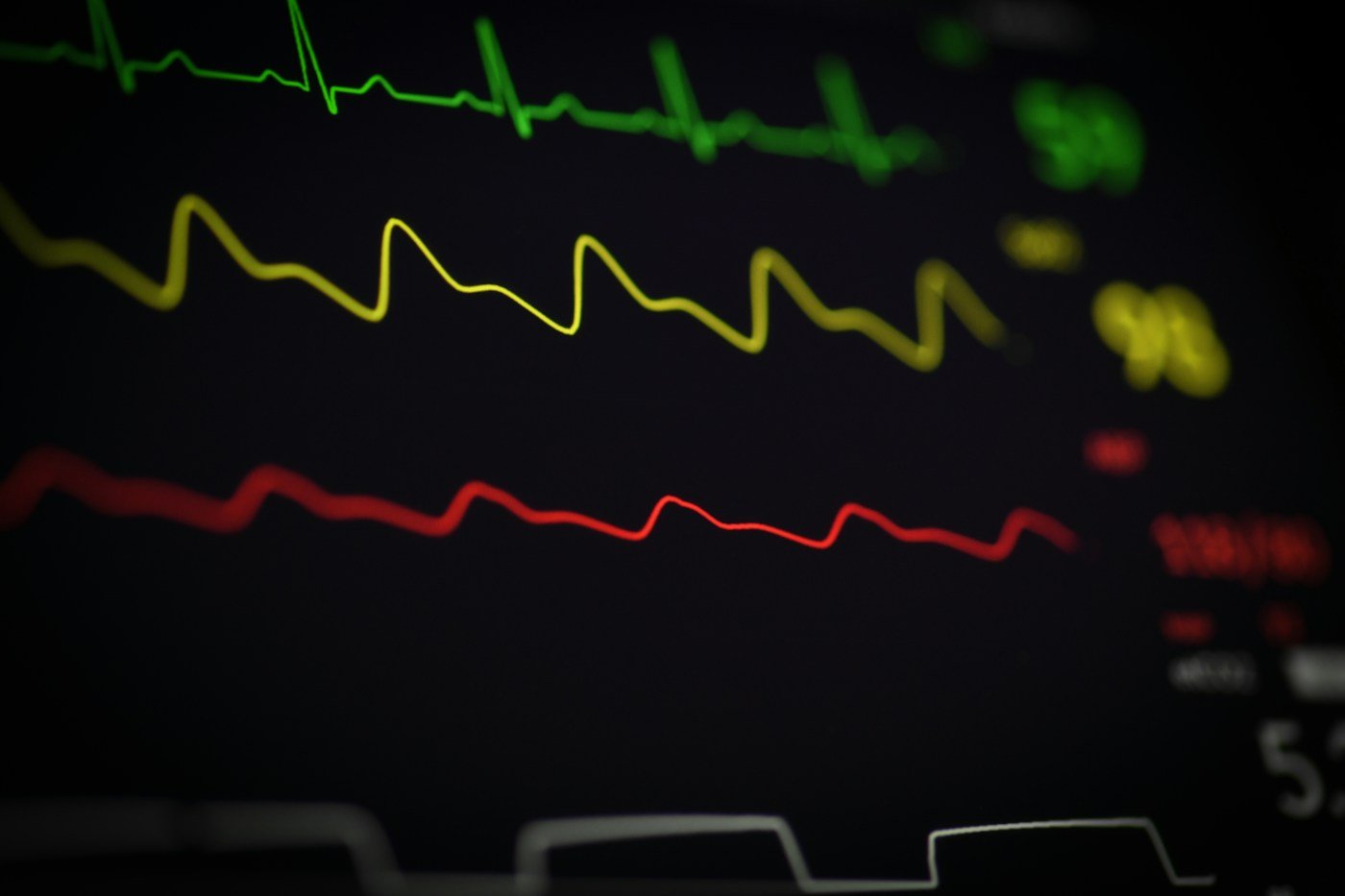
A healthcare professional may notice an irregular pulse and arrange an electrocardiogram, also called an ECG or EKG. If an episode comes and goes, a brief recording may not capture it. A longer monitor can sometimes help answer the question.
The NHLBI guide to AFib diagnosis describes ECGs, portable monitors, and other investigations. Clinicians may also assess blood pressure, thyroid function, electrolytes, heart structure, or possible sleep apnea when appropriate.
Not every person needs prolonged monitoring or the same collection of tests. Ask why a particular monitor was chosen, how long to wear it, and what to record while using it. If symptoms occur, noting their time can help the team compare what you felt with the recorded rhythm.
Does a smartwatch alert mean you have AFib?
A wearable notification is a reason to seek an appropriate review, not a final diagnosis. Different devices use different methods, and an irregular-pulse alert is not identical to a clinician-reviewed ECG recording.
Save the actual recording or notification if the device provides one. Note when it happened, what you were doing, and whether you had symptoms. This is more useful than arriving with a verbal description of an alert that has disappeared.
The American Heart Association’s AFib diagnosis guidance explains the role of medical history and rhythm testing. A normal wearable reading also cannot guarantee that intermittent AFib never occurs. Avoid using repeated checks as a substitute for the assessment your clinician recommends.
Want help organizing questions before a heart-rhythm appointment? Explore WellNest Central’s health education and consultation services.
Why discuss stroke prevention if you feel normal?
AFib can allow blood clots to form in the heart, and a clot can travel to the brain. Whether anticoagulant medication is appropriate depends on an individualized assessment of stroke risk, bleeding risk, and other clinical factors.
The NHLBI treatment overview separates preventing clots from controlling heart rate or restoring rhythm. These treatments have different purposes. A medicine that slows the pulse does not automatically replace one prescribed to reduce clotting risk.
Do not start aspirin yourself or assume it is an adequate substitute for a prescribed anticoagulant. Do not stop an anticoagulant because you feel better or because a watch now reports a normal rhythm. Ask your clinician what the medicine is protecting against and what circumstances would justify changing it.
Does every brief device-detected episode need treatment?
Not necessarily. A short episode detected by an implanted device or monitor requires interpretation. The recording quality, duration and pattern of episodes, and the person’s underlying risk all matter. It is not appropriate to apply one treatment rule to every notification.
The American Heart Association’s summary of AFib management guidance emphasizes individualized risk assessment and care. Ask whether your finding is confirmed clinical AFib, a device-detected episode needing further discussion, or an alert that has not yet been verified.
You can also ask about factors worth addressing alongside rhythm management, such as blood pressure, alcohol use, activity, weight, or a possible sleep disorder. These conversations complement treatment; they do not require you to solve every risk factor before receiving care.
When should you get emergency help?
Call 911 in the United States for sudden facial drooping, one-sided weakness, trouble speaking, or other possible stroke symptoms, even if they improve. Severe chest pain, collapse, or severe breathlessness also need emergency assessment.
For a new irregular-pulse alert without those symptoms, contact a healthcare professional for advice about appropriate timing. If AFib is already diagnosed, follow your written plan for symptoms, pulse changes, and medication problems. Do not wait for a routine appointment when you are acutely unwell.
What should a good follow-up plan explain?
- How the diagnosis was confirmed and whether more monitoring is needed.
- Your individual stroke-prevention plan.
- Whether rate or rhythm treatment is recommended and why.
- What to do about symptoms, missed medicines, or bleeding concerns.
- When the next review should take place.
Feeling well is valuable information, but it is only one part of AFib care. A clear plan addresses both how you feel now and how to reduce future risk.
For support preparing that discussion, book a health education consultation.


Pingback: RSV in Adults Over 50: Symptoms, Complications, and Vaccine Guidance - Wellnest Central