Anthony Ofori | Medical Graduate in General Medicine | Founder, WellNest Central
Last updated: October 13, 2026
This article provides general health education for adults and does not replace individual medical advice.
A little sleepiness after lunch is familiar. Feeling dizzy, weak, or close to fainting after meals deserves a closer look, especially if it keeps happening.
One possible explanation is postprandial hypotension: a fall in blood pressure after eating. It can occur even in someone who is being treated for high blood pressure, which makes the pattern confusing.
Symptoms alone cannot confirm it. The aim is to establish whether blood pressure really falls around meals, consider contributing conditions or medicines, and reduce the risk of falls or other harm.
Why can blood pressure fall after a meal?
Digestion changes blood flow through the body. Normally, the heart and blood vessels adjust so that circulation remains adequate. If that compensation is insufficient, blood pressure may fall.
The Mayo Clinic overview of low blood pressure describes meal-related drops, often occurring within one to two hours after eating. Older adults and people with conditions affecting automatic nervous-system responses may be more susceptible.
The size of the change and the symptoms matter. A lower reading is not automatically harmful, but a repeated fall accompanied by dizziness or near-fainting should not be dismissed as ordinary digestion.
Build practical routines around your health needs
Explore educational support for meal habits, activity, and preparing focused questions for your healthcare team. Explore consultation options.
What symptoms should you notice?
Possible symptoms include lightheadedness, blurred vision, weakness, nausea, unusual fatigue, or a feeling that you may faint. They may be more noticeable when you stand or start walking after eating.
These experiences can overlap with low glucose, medication effects, dehydration, and heart rhythm problems. Someone who is merely sleepy after a heavy meal may have no blood pressure problem at all.
Describe exactly what happens. “I nearly faint when I get up after lunch” provides different information from “I want a nap in the afternoon.” Our article on sleepiness after eating explores that distinction.
If you become dizzy, sit down or lie down safely as appropriate to your symptoms. Do not try to walk it off, climb stairs, or drive while you feel unsteady.
Who may be more likely to experience it?
Older age, some neurological conditions, and problems with autonomic nerve function can affect the body’s ability to regulate circulation. Diabetes-related nerve damage is one possible contributor, but not everyone with diabetes develops it.
The NIDDK guide to autonomic neuropathy explains how these nerves influence heart rate, blood pressure, and other automatic functions.
Medicines can also be relevant. Bring a complete list, including blood pressure treatment, diuretics, and nonprescription products. The dose, timing, and combination may matter more than any one medicine viewed in isolation.
Do not stop treatment because you suspect a connection. People can have high blood pressure at some times and symptomatic drops at others, so changing medication without a plan can create another problem.
How is the pattern assessed?
Your clinician may compare readings before and after meals and ask about posture, symptoms, medication timing, and food intake. Sometimes a longer period of monitoring is useful.
The NHLBI information on low blood pressure emphasizes symptoms, potential causes, and individualized assessment. Blood tests or other investigations may be appropriate when the history suggests another condition.
A commonly used description of postprandial hypotension is a systolic drop of around 20 mm Hg within two hours of eating, but a home calculation alone does not establish the diagnosis. Symptoms, baseline pressure, and measurement quality affect interpretation.
Ask your clinician for a monitoring schedule rather than checking at random intervals. There is no benefit in provoking a severe episode simply to capture a number.
Keep measurements comparable
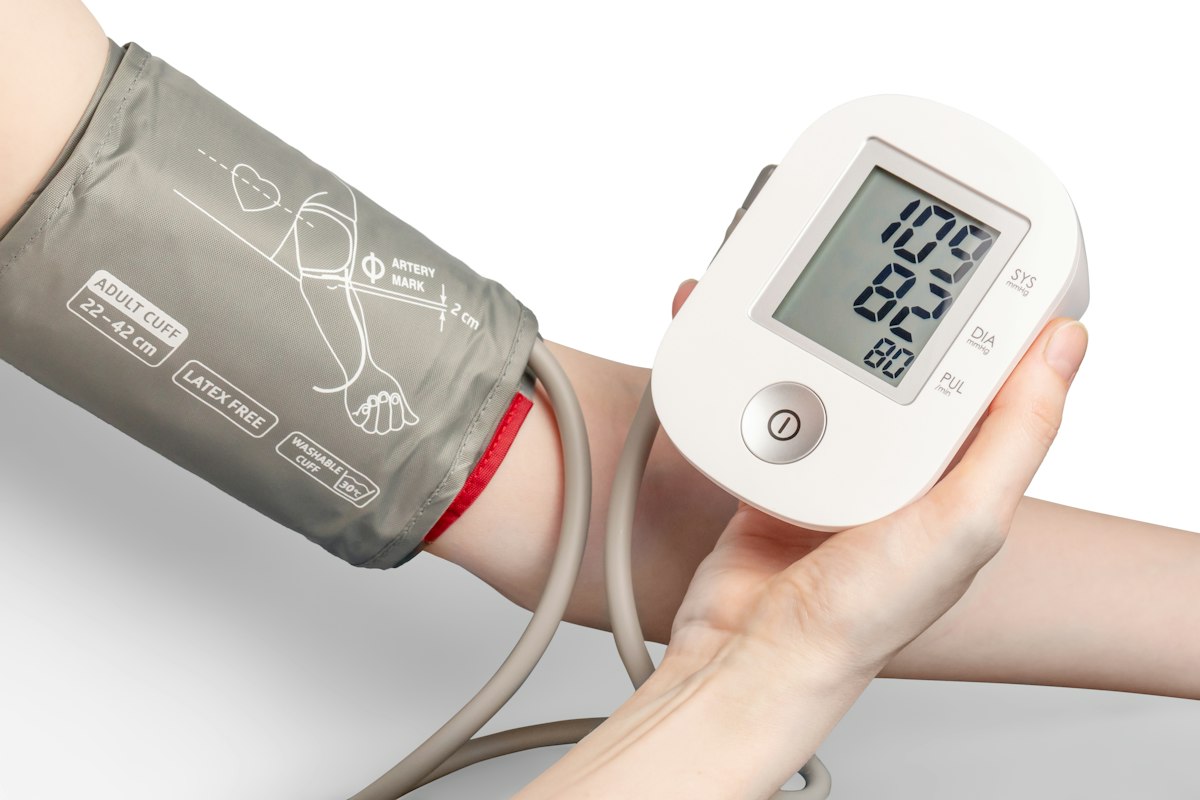
Use a validated upper-arm monitor with the correct cuff size, and follow your clinician’s instructions. Record whether you were sitting, standing, or lying down for each reading.
Measuring before lunch while relaxed and then after lunch while standing or rushing mixes several influences together. A consistent method makes the meal-related pattern easier to assess.
Record:
- The time you started eating and the approximate meal size.
- Blood pressure and pulse at the requested times.
- Symptoms and when they began.
- Medication timing and alcohol intake.
- Whether symptoms appeared before or after standing.
Our article on dizziness when standing up explains another blood pressure pattern that may overlap. Tell your clinician if both situations cause symptoms.
Which changes might help?
Depending on your situation, a clinician may discuss smaller meals, meal composition, alcohol intake, hydration, or medication timing. The right approach depends on the cause and your other health needs.
Do not add large amounts of salt or force extra fluids without guidance. That can be inappropriate for someone with high blood pressure, heart failure, or kidney disease.
If you are advised to modify meals, ask for specific examples using foods you normally eat. A plan that leaves you undernourished or afraid to eat is not a good long-term solution.
Avoid treating caffeine as a reliable remedy for a blood pressure drop. It may affect pulse, sleep, or other conditions, and it can complicate the pattern you are trying to understand.
Reduce fall risk while the cause is being clarified
Choose a stable place to sit for meals and stand slowly afterward. Keep walking routes clear, and ask for assistance if you have already had near-fainting episodes.
Plan demanding tasks for times when you feel steady, and avoid driving after a meal that predictably brings on symptoms until you have been assessed. If you live alone, tell someone you trust about recurrent episodes.
These precautions do not replace medical review. They help reduce immediate risks while your team works out why the symptoms occur and what treatment is appropriate.
When is urgent care needed?
Fainting, chest pain, severe breathlessness, new confusion, or symptoms suggesting a stroke requires emergency assessment. Do not assume a serious episode is harmless because it happened after eating.
Seek prompt medical advice for repeated near-fainting, a fall, injury, or a new pattern of significant weakness. Signs of bleeding, severe dehydration, or rapidly worsening illness also deserve urgent attention.
If blood pressure drops after eating, the useful response is to document a consistent pattern and obtain individualized advice. With the cause clarified, your healthcare team can help make meals and the period afterward safer and more comfortable.
Want support with your everyday health habits?
Explore educational lifestyle support alongside your blood pressure care. Explore One-on-One Consultation Options.