Anthony Ofori | Medical Graduate in General Medicine | Founder, WellNest Central
Last updated: October 11, 2026
This article provides general health education for adults and does not replace individualized advice from your clinician or dietitian.
After passing a kidney stone, you may feel ready to change almost anything to avoid another one. If the report says “calcium oxalate,” removing milk, yogurt, and other calcium-rich foods can seem like the logical first step.
For many people, that is the wrong conclusion. Having a calcium-containing stone does not automatically mean you should eat less calcium. Appropriate dietary calcium can help reduce the absorption of oxalate, one of the substances involved in the most common type of kidney stone.
Understanding calcium and kidney stones starts with identifying the stone type and reviewing your personal risk factors. A long list of banned foods is rarely a useful substitute for that information.
Why calcium in food is not the same as calcium in a stone
Calcium and oxalate can bind together in the digestive tract. When this happens, less oxalate is available to be absorbed and eventually reach the urine. This helps explain why reducing dietary calcium too far can be counterproductive for calcium oxalate stone prevention.
The National Kidney Foundation’s kidney stone diet guidance advises maintaining adequate food-based calcium and eating calcium-containing foods with meals. It describes an intake of about 1,000–1,200 milligrams daily for calcium stone prevention, with individual advice from the treating team.
That amount refers to total calcium intake, not an instruction to take that much as a supplement. The source, amount, and timing of calcium deserve separate consideration.
WellNest Central support
Turn nutrition advice into clearer everyday choices
Explore educational support for understanding food labels and preparing useful questions for your healthcare team.
Find out which kind of stone you had
Kidney stones are not all made from the same substances. Calcium oxalate, calcium phosphate, uric acid, and cystine stones can require different prevention strategies.
The NIDDK’s dietary guidance for kidney stones recommends asking your healthcare professional which type you had before making targeted dietary changes. Sodium, animal protein, calcium, and oxalate may matter differently depending on the situation.
If your discharge summary simply says “kidney stone,” ask whether a stone was analyzed and whether the result is available. If the type remains unknown, say so when seeking dietary advice. Do not assume the composition from the color of the stone, the intensity of the pain, or someone else’s experience.
A useful appointment question is: “Which findings are driving my prevention plan, and what do we still need to clarify?”
What adequate calcium can look like in everyday meals
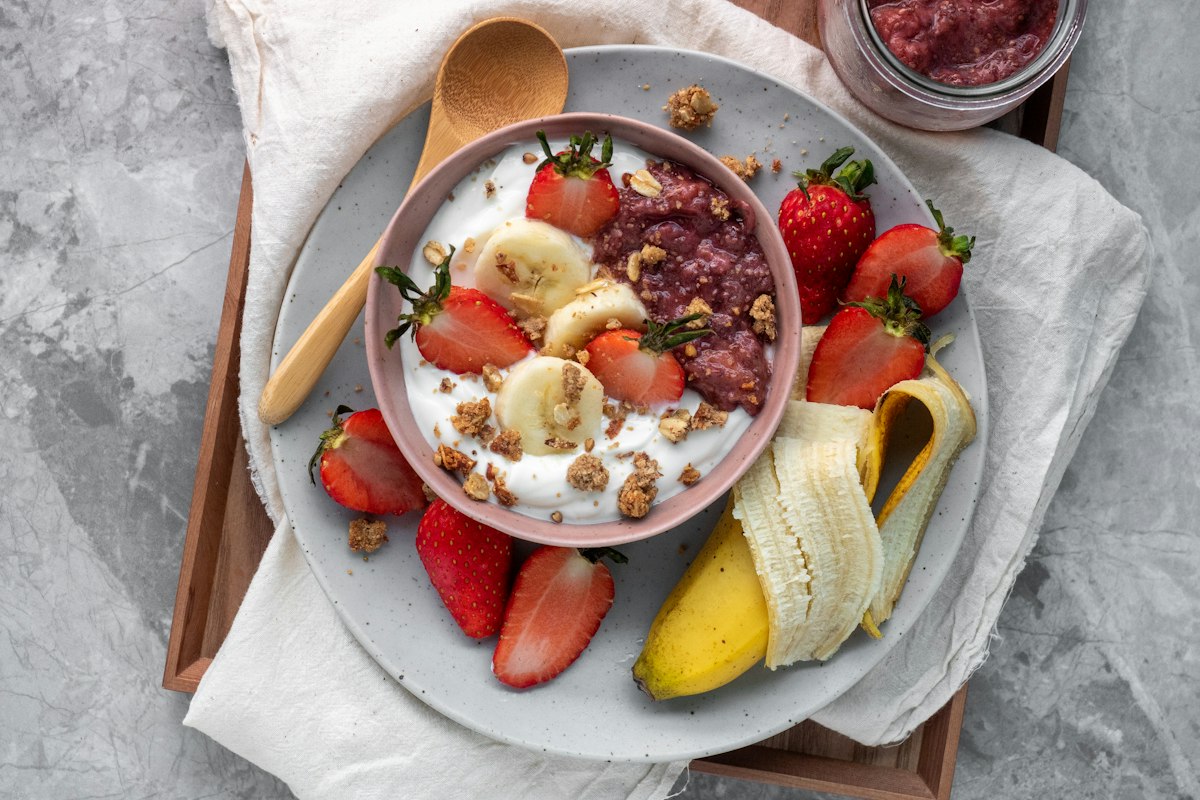
Instead of immediately removing foods, review what you already eat. Milk, yogurt, and appropriately fortified alternatives may contribute calcium. Check the label because products and portions differ.
For example, you might keep plain yogurt with breakfast or include a calcium-fortified drink with a meal. These are practical options to discuss, not a fixed menu for everyone with stones.
If you avoid dairy, bring the labels of your usual alternatives to your dietitian. The word “plant-based” does not tell you how much calcium a product contains or whether it fits your particular stone-prevention plan.
For help comparing yogurt products, our guide to choosing a healthy yogurt explains useful label checks. Focus on building meals that meet your nutritional needs rather than trying to make one ingredient carry the whole prevention strategy.
What about calcium supplements?
A recommendation to maintain calcium from food is not permission to add a high-dose tablet. The National Kidney Foundation advises individualizing calcium supplements with your physician and kidney dietitian.
If you already take one, list the product, dose, reason for taking it, and when you use it. Include calcium in multivitamins or other products so your clinician can assess the total.
Ask whether supplementation is still needed and how it should fit around meals. Do not stop prescribed treatment for bone health or another condition without discussing it. Equally, do not start a supplement simply because you have read that calcium can bind oxalate.
This is a good example of why “more” and “less” are incomplete instructions. The practical question is what amount and source are appropriate for you.
Do not overlook sodium and fluids
Focusing only on calcium can distract from other parts of prevention. A higher sodium intake can increase the likelihood of calcium stones, and adequate fluid intake is an important part of reducing stone risk.
Ask your care team for a fluid goal suited to your circumstances. People with fluid restrictions, heart failure, or significant kidney impairment should not follow a generic instruction to drink large amounts of water.
Once you have a target, consider the practical obstacles. Is water available at work? Do you forget to drink while traveling? Would keeping a bottle nearby help you follow the agreed plan? These details often determine whether advice becomes a routine.
For sodium, compare foods you regularly buy, such as soups, sauces, and prepared meals. If you are considering a replacement salt, read our guide to salt substitutes and potassium before assuming it is suitable for everyone.
Should you avoid all foods containing oxalate?
No blanket food ban follows from the word “stone.” If you have calcium oxalate stones, your clinician or dietitian may recommend reducing particular high-oxalate foods or adjusting how often and how much you eat.
Examples that may need review include spinach, rhubarb, nuts, and wheat bran. That does not mean every vegetable, grain, or plant-based meal is unsuitable.
Bring a short record of your usual meals to the appointment. It is more useful to identify frequent, substantial sources in your own diet than to become anxious about every food mentioned online.
Pairing calcium with a meal is also not a way to cancel out unlimited oxalate. Keep the whole plan in view: stone type, food choices, portions, fluids, and any prescribed treatment.
When a diet discussion should wait for medical assessment
Dietary prevention is different from managing a possible stone that is causing symptoms now. The NIDDK’s kidney stone symptom guidance advises prompt assessment for symptoms such as sharp back or side pain, blood in the urine, painful urination, or difficulty passing urine.
Seek urgent medical care if pain occurs with fever or chills, you cannot urinate, or vomiting prevents you from keeping fluids down. These situations should not be managed by changing calcium intake or trying to “flush out” a stone at home.
Even if you have had stones before, new pain or visible blood should not automatically be attributed to the same cause.
Three questions to take to your follow-up
- What type of stone did I have? Ask for the analysis result if one exists.
- What calcium and fluid targets fit my situation? Clarify food sources, supplements, and any restrictions.
- Which changes matter most for me? Ask your team to prioritize the plan rather than leaving with an unmanageable list.
The relationship between calcium and kidney stones is more nuanced than the stone’s name suggests. Start with your results, maintain appropriate nutrition, and make changes that address your actual risk factors.
Would you like help understanding everyday nutrition information?
WellNest Central offers educational consultations around food choices and lifestyle goals. Individual kidney stone prevention and treatment should be directed by your clinician or kidney dietitian.
Explore One-on-One Consultation Options