
Nocturnal Hypertension
Normal daytime readings do not always describe blood pressure during sleep. Learn what nighttime monitoring can clarify and what to ask next.
Evidence-informed guidance about blood sugar, insulin resistance, prediabetes, A1C, metabolic syndrome, abdominal fat, cholesterol, fatty liver and practical ways to support metabolic health.
Normal daytime readings do not always describe blood pressure during sleep. Learn what nighttime monitoring can clarify and what to ask next.
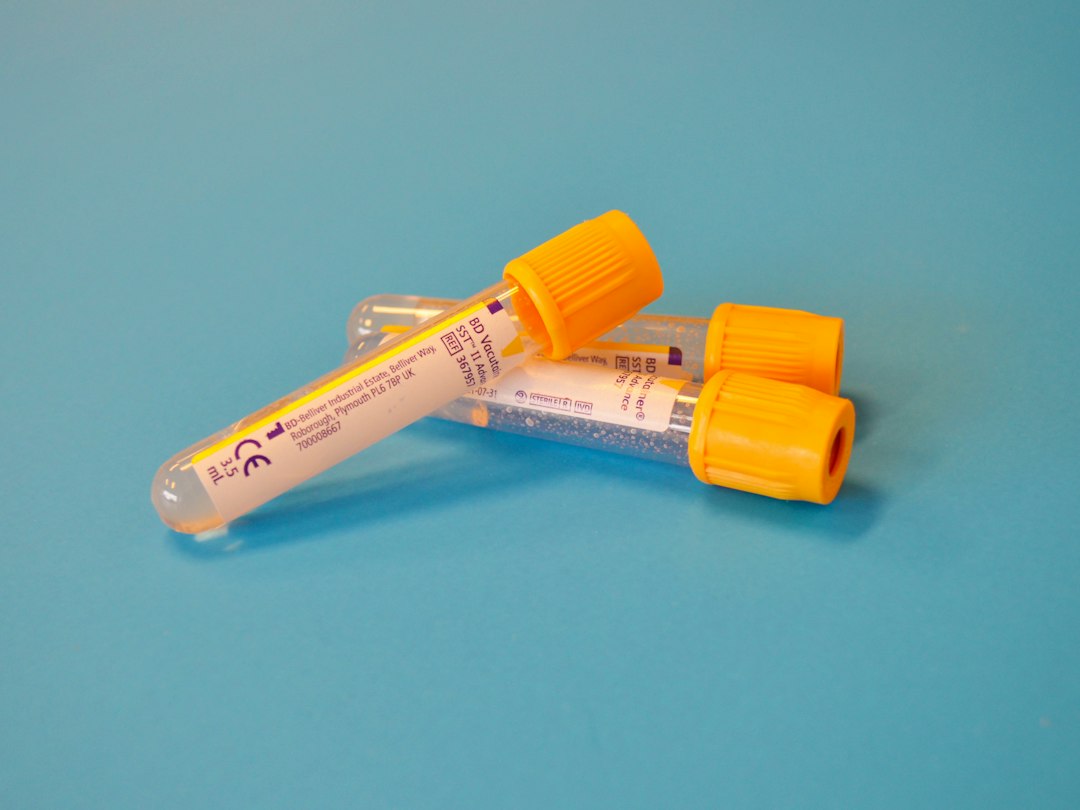
A glucose tolerance test examines your response to a measured glucose drink. Learn when it can add information beyond fasting glucose and A1C.

A bone density result is one part of fracture risk assessment. Learn what a DXA scan measures and how to prepare for a useful follow-up discussion.

Positive thyroid antibodies can be confusing when hormone results are normal. Learn what the tests mean and what a sensible follow-up plan includes.

Early fullness, nausea, and unpredictable glucose can raise questions about stomach emptying. Learn what evaluation and individualized care involve.

Excess aldosterone can contribute to high blood pressure. Learn how screening works and why preparation and interpretation need clinical guidance.

A coronary calcium scan can help clarify uncertain prevention decisions. Understand what the score adds and what it cannot tell you.

Type 2 diabetes can enter remission, but improved glucose does not end follow-up. Understand the definition, realistic options, and ongoing care.

ApoB adds information about cholesterol-carrying particles. Learn who may benefit from testing and why the result needs context.

Fructosamine provides a shorter view of average blood glucose than A1C. Learn when it can help and why it also has important limitations.