Anthony Ofori | Medical Graduate in General Medicine | Founder, WellNest Central
Last updated: October 22, 2026
Medical disclaimer: This article provides general education and does not replace individualized advice from a licensed healthcare professional.
Hearing a heartbeat or whooshing sound in your ear? Understand pulsatile tinnitus, possible causes, warning signs, and what a medical evaluation may involve.
Hearing a heartbeat-like sound in your ear?
Explore a professional, medically informed consultation about your symptoms, health concerns, and what the pattern may mean.
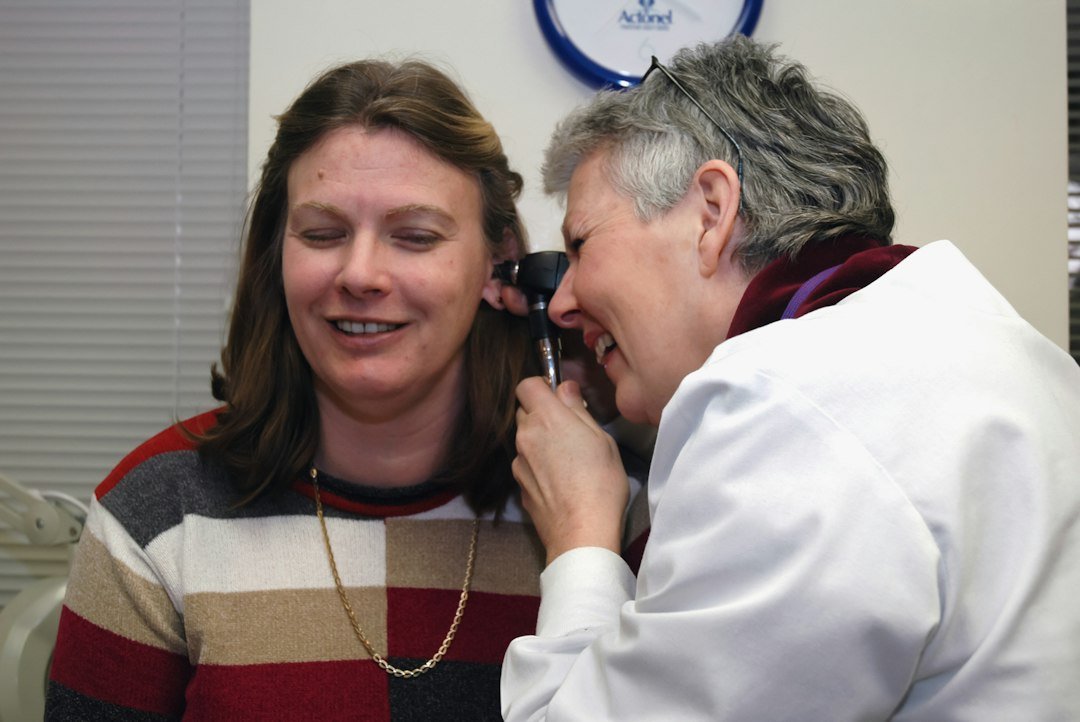
Featured image: An ear examination is one part of evaluating a heartbeat-like sound in the ear.
What is pulsatile tinnitus?
Pulsatile tinnitus is a rhythmic sound—often described as whooshing, pulsing, or thumping—that appears to follow your heartbeat (see the National Institute on Deafness and Other Communication Disorders guide to tinnitus). Unlike ordinary ringing tinnitus, the rhythm may match your pulse. It may be heard in one or both ears, continuously or intermittently.
Why might you hear your heartbeat?
Sometimes the sound relates to blood moving through vessels near the ear. Possible contributors include high blood pressure, anemia, thyroid overactivity, or changes in nearby blood vessels. Less commonly, a vascular abnormality or increased pressure around the brain may be involved. An ear examination alone cannot rule out every cause.
Is it dangerous?
Many causes are treatable, but new pulse-synchronous tinnitus deserves medical assessment because some causes are important to identify early. Do not assume it is simply stress or earwax, particularly when it is consistently on one side.
Seek urgent or emergency care if the sound starts suddenly or is accompanied by a severe new headache, vision changes, fainting, weakness, speech trouble, or new problems with balance. A new one-sided pulse-like sound also warrants prompt evaluation.
How doctors investigate it
A clinician may ask whether the sound matches your wrist pulse, check your blood pressure, examine your ear, and assess hearing and neurological symptoms. For another practical perspective, see our article on the difference between heart rate and blood pressure. Depending on findings, tests can include blood work, hearing testing, and targeted imaging of the head or neck. Not everyone needs the same tests.
What can help while arranging care?
Make a note of which ear is affected, the timing, whether the rhythm matches your pulse, and any associated symptoms. Gentle background sound may make quiet rooms more comfortable, but it does not treat an underlying vascular cause. Avoid pressing on your neck or attempting maneuvers to stop blood flow.
Bottom line: Heartbeat-like sounds in the ear should be discussed with a healthcare professional, even when there is no pain.
How pulsatile tinnitus differs from ordinary ringing
Many people describe ordinary tinnitus as ringing, buzzing, or hissing without a regular beat. With pulsatile tinnitus, the sound follows a repetitive rhythm and may feel synchronized with each heartbeat. That distinction is important because it can suggest a different group of causes and may change the medical evaluation.
Some people notice the sound only at bedtime when the room is quiet. Others hear it throughout the day, during exercise, or when lying in a particular position. The timing alone cannot identify the cause.
Why one-sided symptoms matter
A rhythmic sound heard only in one ear can arise from structures close to that ear. Sometimes the explanation is harmless, but clinicians may need to assess the nearby blood vessels, middle ear, and surrounding anatomy. A symptom diary can help describe your experience, but should not delay a medical appointment.
What to expect during an appointment
Your clinician may ask when the sound began, whether it started suddenly, whether hearing has changed, and whether you have headaches, dizziness, or visual symptoms. They may listen around the ear and neck, examine the ear canal and eardrum, and check blood pressure. Hearing assessment can provide additional information.
Imaging is sometimes used to look for vascular or structural causes. The specific test depends on your symptoms and examination; CT, MRI, or specialized studies of arteries or veins may be considered by the treating team. A normal ear examination does not by itself exclude every vascular explanation.
Practical steps before your assessment
Write down whether the sound is in the left ear, right ear, or both; whether it follows your pulse; and whether it changes with activity, position, or time of day. Bring a list of medications, supplements, and recent health changes. If you have a home blood-pressure monitor, note readings taken correctly rather than repeatedly testing during moments of worry.
Low-volume background noise or a bedside fan may make the symptom less intrusive. Avoid inserting objects in the ear or using unproven ear drops. Never press on the blood vessels in your neck to see whether the sound stops.
Frequently asked questions
Can anxiety cause a heartbeat sound in the ear?
Stress can make bodily sounds more noticeable, but a pulse-synchronous sound should not automatically be attributed to anxiety before relevant medical causes have been considered.
Can high blood pressure contribute?
Elevated blood pressure may make vascular sounds more noticeable in some people. Checking blood pressure is reasonable, but a normal reading does not rule out other causes.
Will pulsatile tinnitus go away?
That depends on the underlying cause. Some causes are manageable or reversible, while others require specialist monitoring or treatment. The most helpful first step is determining what is producing the sound.
Want help preparing questions for your next healthcare appointment? Explore One-on-One Consultation Options for educational support alongside your medical care.



Pingback: Is Bronchitis Contagious? Acute vs. Chronic Bronchitis Explained - Wellnest Central