Anthony Ofori | Medical Graduate in General Medicine | Founder, WellNest Central
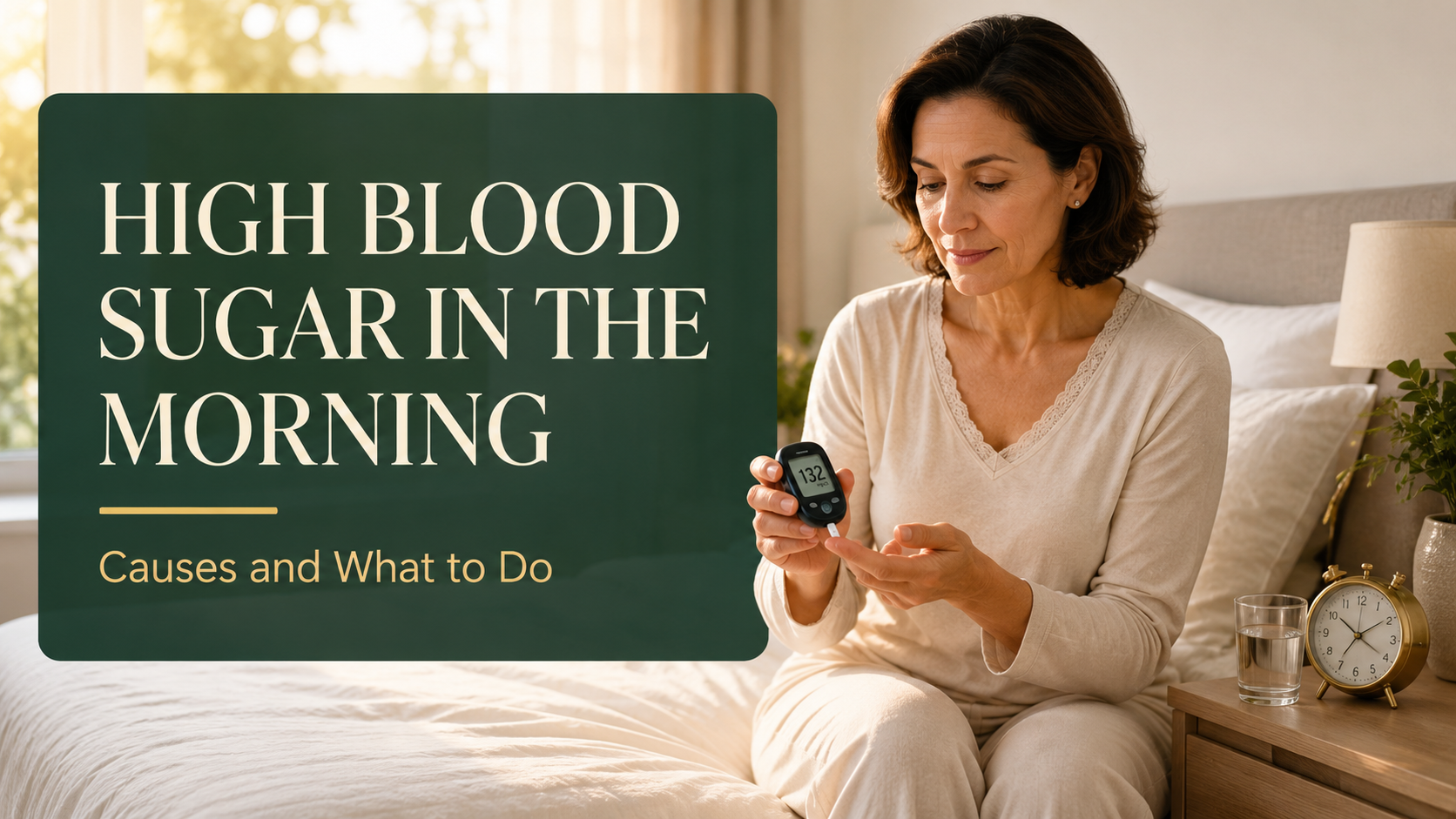
Morning blood sugar can rise for several reasons. These include the dawn phenomenon, a large or carbohydrate-heavy evening meal, poor sleep, stress, illness and diabetes medication or insulin that does not provide enough coverage throughout the night.
One high reading does not automatically mean you have diabetes or that your treatment is no longer working. However, repeated high morning readings deserve attention because they can contribute to a higher average blood glucose level over time.
Why Is My Blood Sugar High in the Morning?
Your blood glucose does not remain completely still while you sleep. Your liver stores glucose and releases some of it into your bloodstream when your body needs energy.
Hormones, food, sleep, physical activity, illness and medication can all influence how much glucose is released and how effectively insulin moves that glucose into your cells.
The most common possible causes of high blood sugar in the morning include:
- The dawn phenomenon
- A large or late evening meal
- A carbohydrate-rich bedtime snack
- Insulin or diabetes medication wearing off overnight
- Poor sleep
- Emotional or physical stress
- Illness or infection
- Reduced insulin sensitivity
- An overnight episode of low blood sugar
Finding the cause matters because the right response will not be the same for everyone.
What Is the Dawn Phenomenon?
The dawn phenomenon is an early-morning increase in blood glucose that commonly occurs in people with diabetes.
As your body prepares to wake up, it releases hormones such as cortisol, glucagon, growth hormone and adrenaline. These hormones help make energy available by encouraging the liver to release glucose.
In someone without diabetes, the pancreas usually releases enough insulin to manage this additional glucose. If your body does not produce enough insulin or does not respond effectively to insulin, your morning blood sugar may rise.
According to the Mayo Clinic’s explanation of the dawn phenomenon, this rise generally occurs between approximately 4 a.m. and 8 a.m.
The dawn phenomenon can occur even when you have not eaten during the night. It is not necessarily a sign that you ate something “wrong” the previous day.
Other Causes of High Morning Blood Sugar
A Large or Late Evening Meal
A large evening meal may continue to affect your blood glucose for several hours, especially if it contains a considerable amount of refined carbohydrate or fat.
Examples may include large portions of:
- White rice
- Bread
- Pasta
- Pastries
- Chips
- Sugary drinks
- Desserts
Fat can slow digestion, which means a meal such as pizza, takeaway food or a creamy pasta dish may produce a delayed glucose rise later in the night.
You do not necessarily need to eliminate carbohydrates at dinner. Begin by considering the amount you eat and whether the meal also contains protein, vegetables and fibre.
A Carbohydrate-Rich Bedtime Snack
Biscuits, sweets, sweetened cereal, juice or a large portion of fruit immediately before bed may keep glucose elevated overnight.
However, a bedtime snack may be appropriate for some people who use insulin or medication that can cause low blood sugar. Do not remove a medically recommended snack without discussing it with your diabetes team.
The important question is whether the snack is necessary, what it contains and how it affects your individual readings.
Medication or Insulin Wearing Off Overnight
Morning glucose may rise when diabetes medication or insulin does not provide sufficient coverage throughout the night.
Possible reasons include:
- A dose that needs professional review
- Medication being taken at an unsuitable time
- Changes in body weight, activity or food intake
- A missed or delayed dose
- Problems with an insulin pump or injection technique
- Insulin being stored incorrectly
Never increase, reduce or change the timing of prescribed medication by yourself. The pattern should be reviewed by an appropriately licensed healthcare professional.
Poor Sleep
A restless or unusually short night may influence insulin sensitivity and the hormones involved in blood glucose regulation.
Sleep apnoea may also contribute to poor glucose control. Possible signs include loud snoring, pauses in breathing during sleep, morning headaches and excessive daytime tiredness.
The National Institute of Diabetes and Digestive and Kidney Diseases notes that adequate sleep is an important part of managing blood glucose and overall health.
Stress, Illness and Pain
Emotional stress, infection, fever, pain and other physical stressors can cause the body to release hormones that raise glucose.
If your readings suddenly increase without an obvious change in your food or medication, consider whether you are:
- Developing an illness
- Experiencing unusual stress
- Recovering from surgery or an injury
- Taking a new medication
- Sleeping poorly
- Less physically active than usual
Some medicines, including corticosteroids, can significantly increase blood glucose. Speak with your prescriber if your readings change after starting a new medicine.
An Overnight Low Blood Sugar Episode
Some people experience low blood sugar while sleeping, particularly when using insulin or certain diabetes medicines.
An overnight low can be caused by too much insulin, insufficient food, alcohol or more physical activity than usual. A higher reading may sometimes be seen later, but you should not automatically assume that every morning high is a rebound from overnight hypoglycaemia.
A continuous glucose monitor or carefully timed checks recommended by your healthcare professional can show whether glucose is falling, remaining stable or rising during the night.
What Is Considered High Fasting Blood Sugar?
A fasting blood glucose test is normally performed after at least eight hours without food. Water is generally permitted.
For adults who are not pregnant, laboratory fasting plasma glucose results are commonly interpreted as follows:
- Normal: 99 mg/dL or below, or approximately 5.5 mmol/L or below
- Prediabetes range: 100–125 mg/dL, or approximately 5.6–6.9 mmol/L
- Diabetes range: 126 mg/dL or above, or 7.0 mmol/L or above
These diagnostic ranges come from the NIDDK guide to diabetes tests and diagnosis.
A diabetes diagnosis is generally confirmed with another laboratory test unless there are clear symptoms and unequivocally high glucose. A home blood glucose meter cannot diagnose diabetes by itself.
If you already have diabetes, your personal morning target may differ according to your age, medication, pregnancy status, other health conditions and risk of low blood sugar.
You can also read A1C Normal Range: Prediabetes and Diabetes Levels to understand how your longer-term average relates to individual glucose readings.
How Can You Identify the Cause?
One isolated number provides limited information. A pattern collected over several days is more useful.
For three to seven days, consider recording:
- What time you ate dinner
- What the meal contained
- Whether you had a bedtime snack
- Your glucose before bed
- Your glucose when you woke up
- Your sleep duration and quality
- Evening physical activity
- Stress, pain or symptoms of illness
- Medication and insulin timing
- Any suspected overnight low blood sugar symptoms
Night sweats, nightmares, shaking, waking with a headache or unusual morning exhaustion can occur with overnight hypoglycaemia, although these symptoms can also have other causes.
Your healthcare professional may recommend an early-morning glucose check or a continuous glucose monitor to understand what is happening while you sleep. Do not set an alarm to test overnight routinely unless your healthcare team advises it or you are following an established diabetes monitoring plan.
Personalised metabolic-health support
Want Help Understanding Your Morning Glucose Pattern?
A morning reading rarely tells the whole story. WellNest Central can help you look at evening meals, sleep, activity, stress and glucose trends together and turn them into practical next steps.
Practical Ways to Support Healthier Morning Blood Sugar
1. Build a Balanced Evening Meal
Try combining:
- A useful source of protein
- Fibre-rich vegetables
- A sensible carbohydrate portion
- A moderate amount of healthy fat
For example, instead of eating a large plate of white rice by itself, use a smaller rice portion and add vegetables, beans, fish, chicken, tofu or another protein source.
2. Review Late-Night Eating
Pay attention to what, how much and how close to bedtime you eat.
If you regularly eat because of habit rather than hunger, experiment with an earlier evening meal or a smaller planned snack. If you need a snack to prevent low blood sugar, ask your healthcare professional or dietitian what type and amount may suit you.
3. Take a Gentle Walk After Dinner
A short walk after your evening meal may help your muscles use glucose and can support your overall activity routine.
Start with five to ten minutes at a comfortable pace when it is safe and appropriate for your health.
For more practical meal and movement strategies, read Blood Sugar Spikes After Meals: 7 Practical Ways to Reduce Them.
4. Protect Your Sleep
Aim for a reasonably consistent sleeping and waking schedule.
Reduce late-night screen exposure when possible, create a calm sleeping environment and speak with a healthcare professional if you have persistent insomnia or possible signs of sleep apnoea.
5. Take Medication as Prescribed
Take your diabetes medication or insulin according to your prescribed plan.
If the same morning pattern continues, show your records to your healthcare professional. They may need to review the dose, timing, type of medication or insulin delivery method.
Do not make these changes independently. Increasing nighttime insulin without understanding the pattern could cause dangerous overnight hypoglycaemia.
6. Look at the Overall Pattern
Your morning reading is only one part of your glucose picture.
Consider it alongside:
- Your A1C result
- Glucose readings at other times
- Your evening and post-meal readings
- Medication
- Symptoms
- Sleep and stress
- Your personal treatment goals
The aim is not to achieve a perfect number every morning. The aim is to recognise meaningful patterns and respond safely.
When Should You Speak With a Healthcare Professional?
Arrange an appropriate medical assessment if:
- Your fasting glucose is repeatedly above your recommended range
- You do not have diabetes but repeatedly record high morning readings
- Your morning readings suddenly increase
- You frequently experience overnight low blood sugar
- You have excessive thirst or frequent urination
- You have blurred vision or unexplained weight loss
- You regularly wake with headaches, sweating or extreme tiredness
- Your medication no longer appears to control your glucose
- Your home readings do not match your A1C result
Your healthcare professional may recommend a fasting plasma glucose test, A1C test or other assessment based on your circumstances.
When Is High Blood Sugar an Emergency?
Seek urgent medical help if very high glucose occurs with:
- Vomiting
- Abdominal pain
- Severe dehydration
- Confusion
- Rapid or difficult breathing
- Fruity-smelling breath
- Marked weakness or drowsiness
- Moderate or high ketone levels
People with type 1 diabetes should follow their prescribed sick-day and ketone-testing plan. Do not delay urgent care when symptoms suggest diabetic ketoacidosis or another serious glucose emergency.
The Bottom Line
High blood sugar in the morning may be caused by the dawn phenomenon, evening food choices, insufficient overnight medication coverage, poor sleep, stress, illness or an overnight glucose disturbance.
Do not judge your health or change your medication based on one reading. Record the pattern, consider what happens before bed and discuss repeated high readings with an appropriately licensed healthcare professional.
Small, consistent actions—such as improving your evening meal, walking after dinner, protecting your sleep and taking medication as prescribed—can support healthier blood glucose management.
Would you like a realistic plan shaped around your health and daily life?
Visit WellNest Central for personalised holistic health education and practical lifestyle support for blood sugar, nutrition, weight management and metabolic health.
This article provides general health education and does not replace medical diagnosis or individual treatment. Always consult an appropriately licensed healthcare professional about abnormal glucose readings, concerning symptoms or changes to prescribed medication.