Anthony Ofori | Medical Graduate in General Medicine | Founder, WellNest Central
Last updated: November 14, 2026
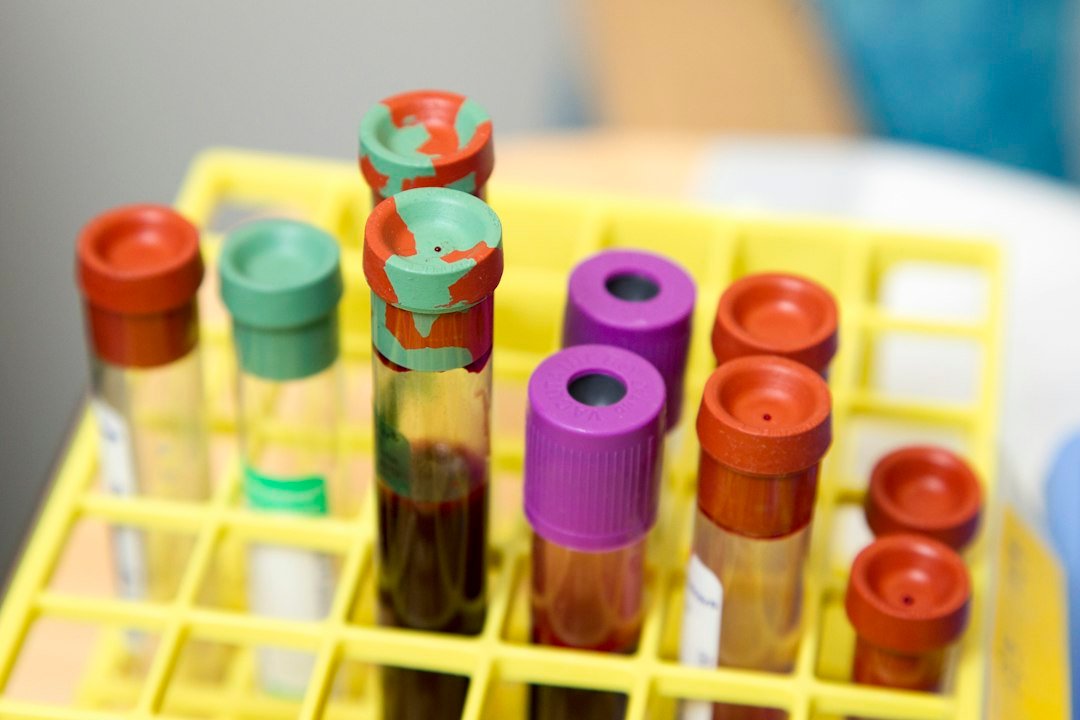
Blood specimens illustrate homocysteine testing and assessment of B vitamin status.
Homocysteine is an amino acid your body normally processes using several B vitamins. A high level can prompt concerns about nutrient deficiencies or heart disease, but the result does not tell you which problem is present—or whether taking supplements will prevent a heart attack. Interpretation starts with why the test was ordered, what other results show and which risk factors are relevant.
Questions about your health?
Explore a personalized, medically informed one-on-one wellness consultation and practical next steps.
What is homocysteine?
Your body makes homocysteine during methionine metabolism. Vitamin B12, folate and vitamin B6 help convert it into other useful substances. If these pathways are disrupted or important vitamins are insufficient, homocysteine can accumulate in the blood.
The MedlinePlus homocysteine test guide explains its relationship with B vitamins and selected inherited conditions. Homocysteine is not the same as a vitamin level, and an elevated measurement does not automatically establish which nutrient, if any, is deficient.
How high is high?
Laboratories use their own reference intervals, often reporting total plasma homocysteine in micromoles per liter. Many clinical discussions describe levels above roughly 15 micromoles per liter as elevated, but interpretation is not universal. Age, kidney function and test conditions may affect the result.
Use the interval printed on your report and note whether the sample was collected according to preparation instructions. A small borderline elevation has different implications than a marked, persistent increase. Inherited metabolic disorders are rare and usually involve a different degree of elevation or additional clinical findings.
Vitamin B12 deficiency
Vitamin B12 supports conversion of homocysteine into methionine. Deficiency can raise homocysteine and may also cause anemia or nerve problems. Tingling, balance changes, memory concerns and unusual fatigue can warrant evaluation even when the complete blood count looks normal.
A clinician may measure B12 and, in selected cases, methylmalonic acid to clarify uncertain results. Our article on vitamin B12 signs and testing explains practical considerations. Do not rely on homocysteine alone to diagnose B12 deficiency.
Folate and vitamin B6
Folate and vitamin B6 participate in other homocysteine-processing pathways. Inadequate intake, malabsorption and some medicines can affect vitamin status and lead to elevated levels. A combined deficiency pattern may be more informative than one blood marker by itself.
Fortified grains and folate-containing foods contribute to intake in the United States. Supplement needs depend on a documented condition and individual circumstances. Large doses of vitamin B6 can themselves cause nerve injury, so treating a high homocysteine result with indiscriminate megadoses is not appropriate.
Kidney function and other causes
The kidneys are involved in homocysteine metabolism and clearance, so chronic kidney disease can contribute to increased levels. Hypothyroidism, smoking, certain medications, genetics and age may also affect the measurement.
Ask whether creatinine, estimated glomerular filtration rate or thyroid tests provide a plausible explanation. A high reading can be a marker associated with an existing condition rather than the direct cause of every future health problem.
What does it mean for heart health?
Elevated homocysteine has been associated with increased cardiovascular risk in observational studies. However, association does not establish that lowering the laboratory value through supplements will prevent cardiovascular events. Randomized trials have generally not shown broad heart attack prevention from B-vitamin therapy despite lowering homocysteine.
Focus on established risk factors such as blood pressure, LDL cholesterol, smoking, diabetes, physical activity and overall nutrition. Correcting a documented vitamin deficiency is important for other medical reasons, but it should not be marketed as a guaranteed heart-protection strategy.
Should everyone have homocysteine tested?
Routine testing is not necessary for most adults without a specific clinical indication. Clinicians may use it in selected nutritional evaluations or when investigating rare inherited metabolic conditions. The test is not a replacement for comprehensive cardiovascular risk assessment.
If you requested homocysteine as part of a large wellness panel, ask whether the result changes any practical decision. Testing should be meaningful and tied to a question rather than repeated simply because a number is available.
Can food and supplements lower levels?
Adequate folate, B12 and B6 intake supports normal metabolism. Leafy greens, legumes, fortified foods and appropriate animal or fortified B12 sources can help meet nutritional needs. A specific deficiency may warrant oral or injectable treatment depending on the cause.
Do not discontinue prescribed medicines to improve the test value, and avoid high-dose vitamin combinations unless clinically indicated. Supplementation may reduce homocysteine without resolving unrelated cardiovascular risks. Review current vitamins and medicines before adding more.
Follow-up and warning signs
Bring complete vitamin and kidney-related results to your appointment. The clinician may consider B12, folate, CBC, renal function or thyroid tests depending on symptoms. The goal is to find a treatable cause, not to chase a number.
Seek urgent care for new stroke-like symptoms, chest pain or severe breathlessness regardless of homocysteine. For an isolated abnormality without acute symptoms, a planned appointment is generally a more appropriate starting point.
Questions to discuss about your homocysteine result
Ask whether your level was mildly or markedly elevated, and whether your B12, folate, kidney function or medication history explains it. If B12 deficiency is suspected, neurological symptoms such as numbness, balance difficulty or memory changes deserve particular attention even without anemia. Also ask whether measuring homocysteine again would actually change treatment. The most useful plan addresses a confirmed deficiency or underlying condition and separately evaluates established cardiovascular risks, rather than assuming that lowering homocysteine alone guarantees protection.
How to prepare for your next appointment
Keep the original report showing the exact value, units, laboratory reference interval and date. Bring any previous comparable tests, a list of prescriptions, over-the-counter medicines and supplements, and a record of symptoms. Ask which other measurements are relevant and whether a repeat test will change the plan. A result just outside its reference range is not the same as a dangerous abnormality.
Medical decisions should be based on the whole clinical picture. An isolated number may have several possible explanations, and treating the wrong one with an unnecessary supplement or strict diet can be counterproductive. Seek timely care when symptoms become serious rather than waiting to correct a routine laboratory value.
Frequently asked questions
Can a blood test be abnormal when I feel fine?
Yes. Some findings are temporary or have little clinical significance, while others appear before symptoms develop. Feeling well is reassuring context but cannot replace thoughtful interpretation when the value is markedly abnormal or persistently outside range.
Is a repeat test always necessary?
No. Repeat testing makes sense when it helps confirm an unexpected finding, monitor a known problem or resolve uncertainty. Your clinician should be able to explain what the additional measurement would clarify and when it should be collected.
Should I change my diet or start a supplement immediately?
Not solely because of one lab flag. Supplements and dietary changes can be useful for documented needs, but some products interfere with tests or carry risks. Review your existing regimen first and match any intervention to a clear indication.
Key takeaways
Look at the result in context, compare it with earlier measurements and evaluate symptoms that may change urgency. Clear follow-up and targeted testing are more helpful than self-diagnosis. Seek urgent medical assessment for severe or rapidly worsening symptoms.
For personalized, medically informed wellness guidance, book your one-on-one consultation with WellNest Central.