Anthony Ofori | Medical Graduate in General Medicine | Founder, WellNest Central
Last updated: October 12, 2026
This article provides general health education for adults and does not replace individual medical advice.
Your clothes feel more comfortable. Your waist measurement has decreased. You may even find stairs easier. Yet the scale seems determined to stay in the same place.
Losing inches but not weight can happen for several reasons. Changes in body composition, temporary fluid shifts, digestive contents, and measurement technique can all contribute. Sometimes there is meaningful progress; sometimes the apparent change needs more consistent measurement before you can interpret it.
The scale is useful, but it cannot tell you exactly what changed inside your body. A small set of complementary measures gives a clearer picture.
What the scale can—and cannot—tell you
Body weight includes fat, muscle, water, bone, organs, and the contents of your digestive tract. The scale combines them into one number.
It cannot identify how much of a change came from fat or muscle. It also cannot tell you whether blood pressure, glucose management, sleep, or physical function has improved.
The NIDDK explanation of healthy weight assessment describes why weight-related measures should be interpreted in context. Body mass index, for example, does not directly measure body fat, and waist size provides additional information.
A stable weight therefore does not prove that nothing has changed. Equally, a smaller waist on one measurement does not prove a specific amount of fat loss.
Build a sustainable approach to your health goals
Explore educational support for food choices, movement, sleep, and realistic progress tracking. Explore consultation options.
Reason 1: Your body composition may be changing
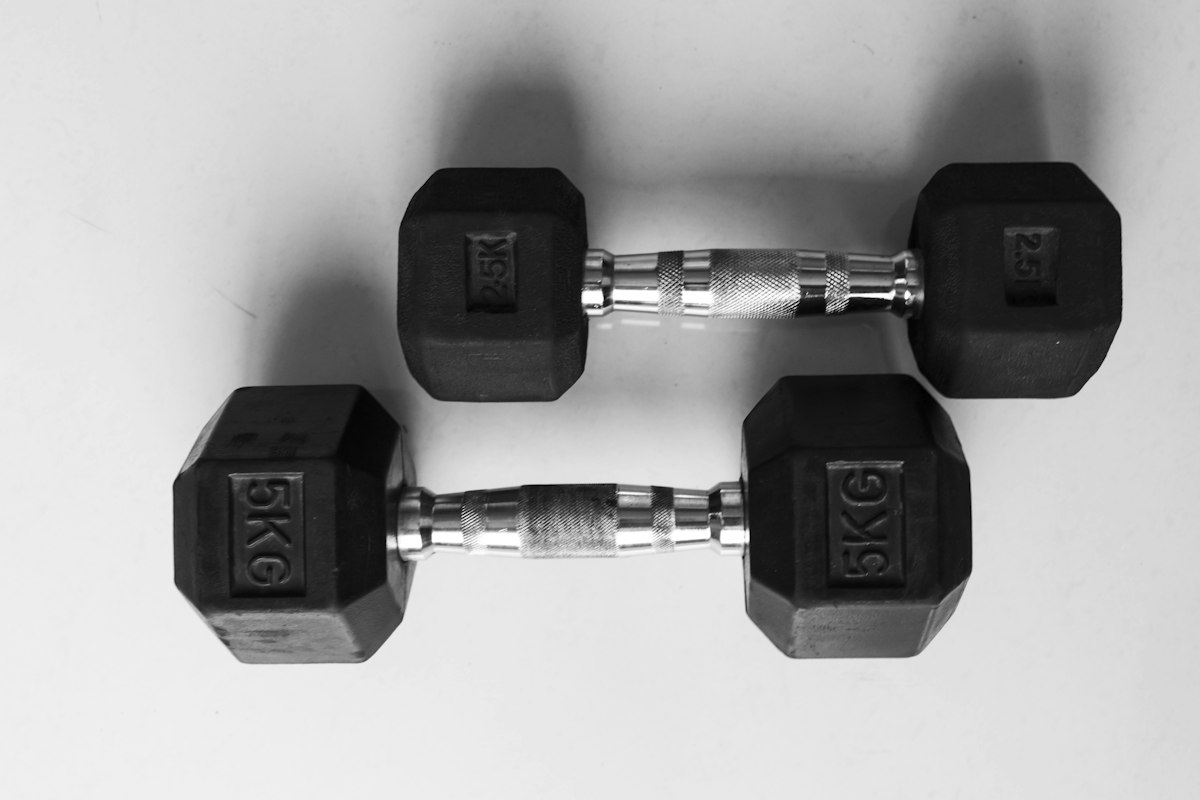
With regular resistance training and suitable nutrition, some people lose fat while gaining muscle. The combined changes can leave total body weight relatively stable while body shape changes.
This is often called body recomposition. It is a possible explanation, not something you can confirm just because the scale has stopped moving.
Muscle gain takes time and varies between people. Starting a few workouts does not automatically mean enough muscle has developed to explain every pound that has failed to disappear.
Look for a sustained pattern: consistent measurements, improved exercise capacity, and a training routine you have actually maintained. Our guide to starting strength training at home offers a practical starting point for beginners.
Reason 2: Water and digestive changes may affect the comparison
Short-term body weight can shift with hydration, salt intake, menstrual-cycle changes, bowel movements, and the timing of meals. New or harder exercise can also temporarily change how much water the body holds.
These changes can make a short stretch of scale readings difficult to interpret. A lower waist measurement may also partly reflect less bloating or a different time of day, rather than a change in body fat alone.
This is why comparing Tuesday evening after dinner with Saturday morning before breakfast is not especially informative. The conditions differ too much.
Avoid trying to force a lower number through dehydration, skipping meals, or excessive sweating. Those approaches can change the reading without producing the health improvement you want.
Reason 3: Measurement technique may be inconsistent
A tape measure can move slightly higher or lower each time. Pulling it tighter, holding your breath, or measuring over different clothing can also change the result.
For a more useful waist comparison:
- Choose one measurement method and use it consistently; ask your clinician to demonstrate if needed.
- Measure on bare skin or over the same very thin clothing.
- Keep the tape level around your body and snug without compressing the skin.
- Stand comfortably and measure after breathing out normally.
- Repeat once if the result seems unexpected, rather than choosing the smallest number.
Record the date and measurement. Weekly or every-other-week comparisons are usually more useful for a lifestyle review than repeatedly measuring throughout the day.
Use a few measures that answer different questions
You do not need an elaborate dashboard. Select a small number of indicators that fit your goals and do not make you anxious.
| Measure | What it can help you understand |
|---|---|
| Weight trend under similar conditions | Whether overall body mass is changing over time. |
| Waist measurement using the same method | Whether abdominal size is changing. |
| Strength or walking capacity | Whether physical function is improving. |
| Blood pressure or laboratory tests, when indicated | Whether specific health risks are changing. |
| Sleep, energy, and consistency of habits | Whether the routine is supporting daily life and is sustainable. |
The NIDDK health tips for adults emphasize healthy eating and physical activity alongside weight-related assessment. These habits matter even when a scale changes slowly.
Do not assume better-fitting clothes prove that a medical condition has resolved. Continue any recommended health checks.
How should you use the scale if you choose to weigh?
Use the same scale on a firm, level surface and compare measurements taken under similar conditions, such as in the morning after using the bathroom and before breakfast.
If you already weigh several times a week without distress, a weekly average can reduce the influence of one unusual day. If frequent weighing increases anxiety or leads to restrictive eating, a less frequent approach—or a plan without home weighing—may be more appropriate.
People with heart failure or another condition requiring daily weight monitoring should follow their medical plan. In that setting, rapid weight changes may signal fluid retention, and the purpose of weighing is different from tracking fat loss.
Should you change your eating plan immediately?
Not simply because the scale stayed flat for several days. Review the pattern over several weeks, your actual goals, and whether other meaningful measures are improving.
If weight loss is medically appropriate and both weight and waist trends remain unchanged, revisit portions, drinks, activity, sleep, and the feasibility of your routine with qualified support. Avoid interpreting a plateau as a character flaw.
The NIDDK guide to eating and physical activity for weight management explains that energy needs change during weight loss and that maintaining changes requires an ongoing plan.
Start with manageable adjustments. A regular walk, a more consistent meal pattern, or fewer sugary drinks may be more sustainable than a severe new diet. Our article on a short walk after eating offers one practical activity option.
When should a body change be checked medically?
Unintentional weight loss, persistent loss of appetite, or increasing weakness deserves medical review. These changes should not automatically be celebrated as progress.
Seek advice for unexplained swelling or rapid weight gain, especially if you have kidney or heart disease. Severe breathlessness or chest pain requires emergency care.
If body measurements are taking over your day, leading you to skip meals, or making exercise feel compulsory, step back and seek support. Tracking should help you make decisions, not determine your self-worth.
Measure progress in a way that matches the goal
Losing inches but not weight may reflect a useful change, ordinary short-term variation, or inconsistent measurement. Give the pattern time, use comparable conditions, and consider function and health markers alongside body size.
The best tracking approach helps you understand whether your routine is improving your health and whether you can maintain it. It does not require every number to move every week.
Want support with your everyday health habits?
Explore educational support for sustainable nutrition, movement, and weight-management routines. Explore One-on-One Consultation Options.