Anthony Ofori | Medical Graduate in General Medicine | Founder, WellNest Central
Last updated: October 14, 2026
This article provides general education. Anemia investigation and treatment should be guided by your kidney or primary care team.
When you have chronic kidney disease and feel unusually tired, it is easy to assume the fatigue is simply part of the condition. Sometimes anemia contributes, but tiredness alone cannot identify the cause.
Renal anemia is anemia associated with kidney disease. It involves a reduced capacity of the blood to carry oxygen, usually reflected in a low hemoglobin result. Kidney-related changes may contribute alongside iron deficiency, inflammation, blood loss, or other conditions.
That is why a low result deserves an investigation rather than an automatic purchase of iron supplements.
How do the kidneys affect red blood cells?
The kidneys help produce erythropoietin, a hormone that signals the bone marrow to make red blood cells. Kidney damage can reduce this signal. Other changes in chronic kidney disease can also interfere with red blood cell production and survival.
The NIDDK guide to anemia in chronic kidney disease explains these overlapping causes. Anemia becomes more common as kidney disease advances, but it should not be assumed to explain every symptom or every low hemoglobin result.
The clinician needs to understand both the kidney condition and the blood findings. An eGFR result alone does not determine which anemia treatment is appropriate.
Organize the questions that matter to you
For educational support with health information and sustainable daily habits, Explore consultation options. Anemia diagnosis and treatment belong with your medical team.
What symptoms might anemia cause?
Fatigue, reduced exercise tolerance, weakness, breathlessness, dizziness, and a faster heartbeat can occur. These symptoms also have other causes, so their presence does not confirm anemia.
Describe the change in practical terms. Are you stopping halfway up stairs that were previously manageable? Have you become breathless during usual household tasks? Is dizziness affecting safe walking or work?
New chest pain, severe breathlessness, fainting, or significant bleeding needs urgent assessment. Do not wait for a routine blood test appointment when symptoms are severe or rapidly worsening.
Bring someone to the appointment if fatigue makes it hard to remember information. A short written symptom timeline can also help.
Which tests help clarify the cause?
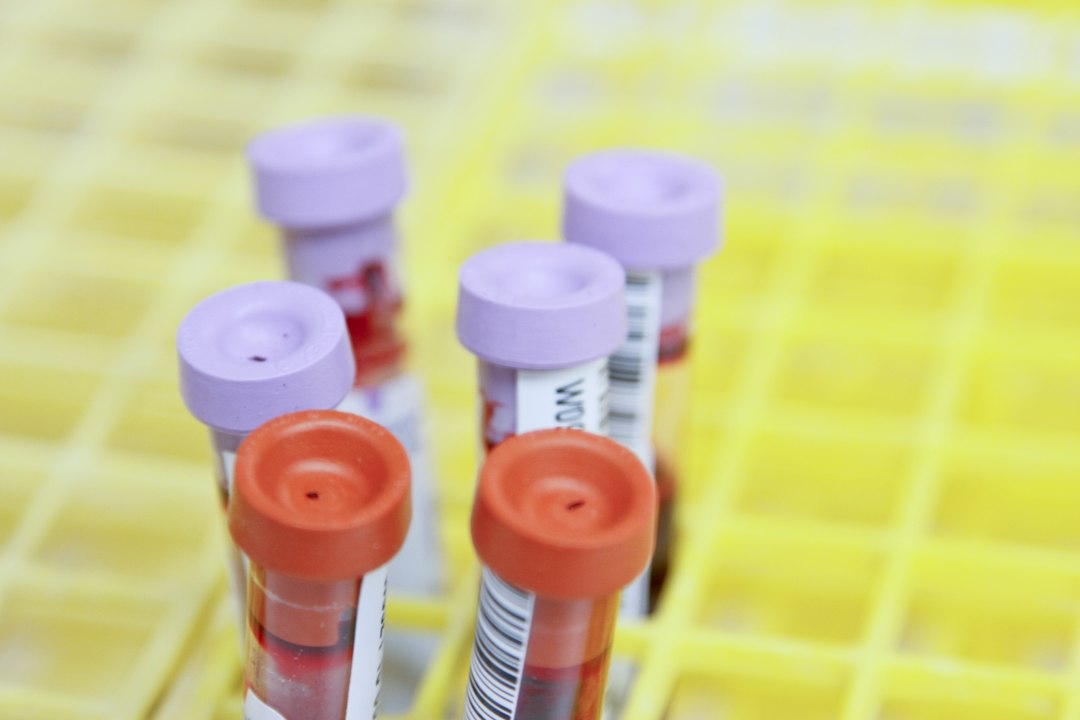
A complete blood count measures hemoglobin and provides information about blood cells. Iron studies, including ferritin and transferrin saturation, help assess iron availability. Depending on the situation, the team may investigate vitamin deficiencies, inflammation, blood loss, or other explanations.
The National Kidney Foundation overview of anemia in CKD describes the importance of identifying contributing factors rather than treating all kidney-related anemia in the same way.
Ask to see how the current result compares with previous tests. A gradual change and a rapid fall can lead to different questions. Mention blood in stool or urine, heavy menstrual bleeding, recent procedures, and any other possible blood loss.
Why ferritin may not tell the whole story
Ferritin reflects iron stores but can also rise with inflammation. A person may have iron that is not adequately available for red blood cell production despite a ferritin value that is not low.
This is why the clinician may interpret several tests together. One result marked “normal” does not always settle whether iron treatment would help, and one elevated ferritin does not automatically establish iron overload.
Our explanation of high ferritin on a blood test provides background. Our guide to low albumin in a blood test also illustrates why nutrition-related laboratory values need context.
Avoid building a supplement plan from isolated flags on a report. Ask what the overall pattern suggests.
Treatment depends on the findings
Treatment may involve addressing iron deficiency, another nutritional deficiency, bleeding, or an underlying inflammatory condition. Some people need medicines that support red blood cell production. Transfusion is considered in particular circumstances rather than as a routine response to every low number.
The KDIGO 2026 anemia guideline provides an updated framework for individualized management. Dialysis status, symptoms, treatment risks, and the wider clinical situation influence choices.
Ask why oral or intravenous iron is being considered, or why another treatment is preferred. Do not assume that an infusion is inherently better or that tablets are suitable for everyone.
Why the goal is not simply the highest possible hemoglobin
Treatment benefits need to be balanced against risks. Medicines that stimulate red blood cell production require monitoring and individualized targets; trying to push hemoglobin as high as possible is not the objective.
Ask what improvement is expected in your case and how it will be measured. A useful discussion includes symptoms, test results, adverse effects, and the date of the next review.
If treatment involves an injection or infusion, clarify where it will happen, what preparation is needed, and whom to contact about an unexpected reaction. Keep an updated list of all treatments across your care teams.
Food and supplements: useful, but not the whole answer
A balanced diet can support health, but diet alone cannot replace a missing hormonal signal or treat every cause of anemia. Advice also needs to fit any kidney-related dietary restrictions and your appetite.
Ask a renal dietitian for practical guidance if eating has become difficult or you are restricting many foods. Bring a typical day’s meals rather than trying to reconstruct your diet from memory during the appointment.
Do not add high-dose iron or several overlapping supplements without review. Record what you already use so the team can assess total intake and possible interactions.
Prepare for a focused follow-up
Ask which cause or combination of causes is most likely, which tests remain outstanding, and what the treatment is intended to improve. Confirm when blood tests should be repeated and what symptoms require earlier contact.
Renal anemia is a reason for a coordinated plan, not a reason to accept persistent fatigue without discussion. Clear testing and follow-up can make the next step much more understandable.
Support alongside kidney care
For educational help building manageable routines and preparing for medical appointments, Explore One-on-One Consultation Options.
Featured photograph: National Cancer Institute / Unsplash. Illustrative image.