Cystatin C Test: When Creatinine and eGFR Don’t Tell the Full Story
A cystatin C test can help clarify kidney function when creatinine-based eGFR is uncertain. Learn when it helps, what the combined estimate shows and why urine tests still matter.


Creatinine alone cannot show every aspect of kidney health. Learn how three kidney tests—eGFR, uACR and urinalysis—work together to give a fuller picture.
Can a high-protein meal raise creatinine? Cooked meat may temporarily increase creatinine and lower calculated eGFR. Here is how to prepare for testing and interpret an unexpected result safely.
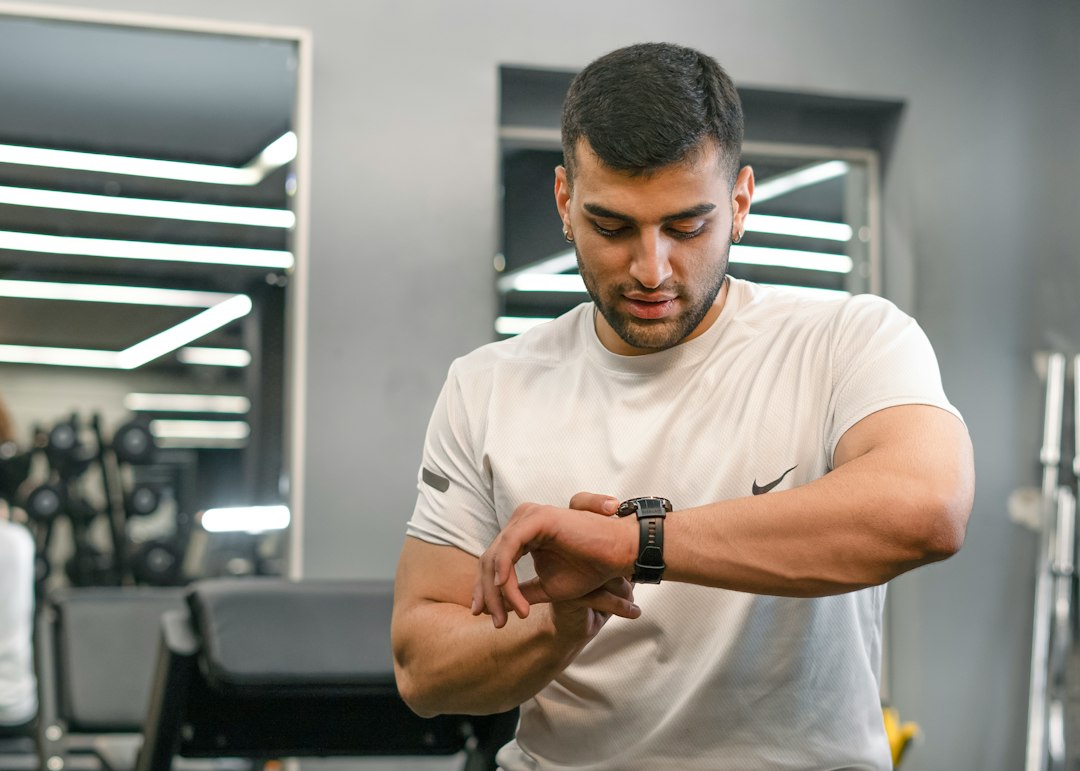
A hard workout before a kidney blood test can sometimes raise creatinine and make eGFR appear lower. Learn how to distinguish a temporary exercise effect from a possible kidney problem.
Creatine supplements can sometimes raise blood creatinine and make calculated eGFR appear lower. Learn why this happens and which additional tests may clarify your kidney health.
Intense exercise can temporarily raise creatinine and lower calculated eGFR. Learn why this happens, what else should be checked and when to seek help.
Can dehydration cause high creatinine? Discover how fluid loss affects kidney test results, when creatinine may improve and when further testing is needed.
Creatinine vs eGFR compares a measured blood waste product with an estimate of kidney filtration. Learn how to interpret both results and why UACR also matters.
A high creatinine result may relate to kidney function, dehydration, exercise, muscle mass, medicines or supplements. Learn how eGFR and urine albumin provide a clearer picture.