Anthony Ofori | Medical Graduate in General Medicine | Founder, WellNest Central
Last updated: October 22, 2026
Medical disclaimer: This article provides general education and does not replace individualized advice from a licensed healthcare professional.
Can walking while working improve your health? Learn the benefits, realistic limitations, safety tips, and how to start using a walking pad at a desk.
Want to improve your health while spending long hours at a desk?
Explore personalized consultation on physical activity, everyday movement, and sustainable metabolic-health goals.
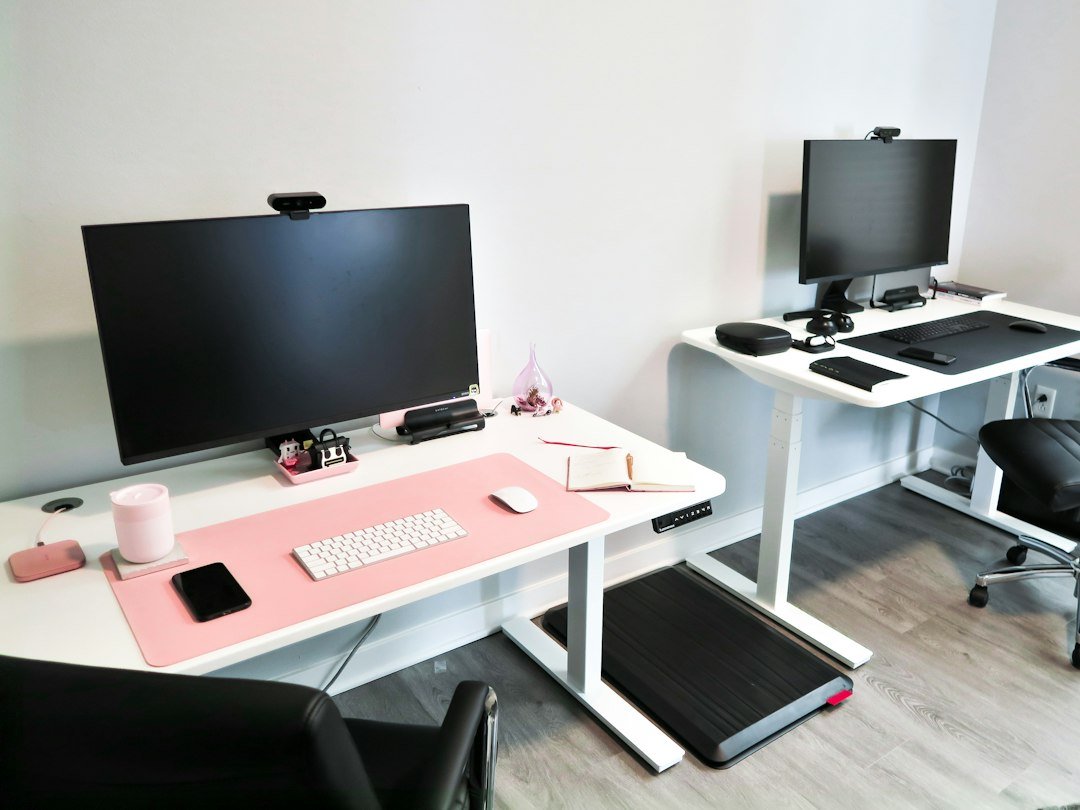
Featured image: A home-office workspace illustrates opportunities to interrupt prolonged sitting with movement.
What is a walking pad?
A walking pad is a compact, typically low-speed treadmill designed for walking. Some fit underneath an adjustable standing desk. It can make it easier to move during computer-based work, but using one safely depends on the task, your balance, available space, and equipment quality.
Potential benefits of walking while working
Replacing some sitting time with gentle walking increases movement during the day. For another practical perspective, see our article on the benefits of walking after eating. Walking may support circulation, energy expenditure, and general fitness, while regular movement breaks can reduce long uninterrupted sedentary periods. Research on treadmill desks suggests they may improve stepping and sitting patterns in the short term, but direct evidence for long-term medical outcomes is more limited.
Does it count as exercise?
Very slow walking is usually light-intensity activity. It is helpful movement but may not meet the moderate-intensity threshold for aerobic exercise. According to the CDC, adults generally should aim for at least 150 minutes of moderate-intensity aerobic activity weekly and muscle-strengthening activity at least two days per week (see the CDC physical activity recommendations for adults).
How to start safely
Try five to ten minutes at a comfortable, slow pace while doing a simple task. Stop before fatigue affects your form. Position your screen near eye level, avoid leaning on the desk, use supportive shoes if needed, and keep cords away from the walking area. Follow the equipment’s safety instructions and weight capacity.
Save demanding typing, video meetings, and precision work for when you are seated or standing still. A stable desk and enough clearance behind the device matter.
Who should be cautious?
People with balance difficulties, recurrent dizziness, recent injuries, neuropathy, or other conditions affecting safe walking should talk with a healthcare professional before using a desk treadmill. A walking pad is not necessary for better health: ordinary walking breaks, stairs, outdoor walks, and short movement sessions can also help.
Is it worth buying?
Consider your available space, likely frequency of use, noise, return policy, and whether you already have a safe way to take walking breaks. Choose a device only if it fits your routine and budget; it is not a substitute for varied activity and strength training.
Bottom line: A walking pad can make daily movement more convenient, but consistency and safe use matter more than the equipment.
Walking pad versus standing desk: which helps more?
A standing desk changes your working position, while a walking pad adds actual steps. Standing can reduce sitting time, but it generally involves much less movement than walking. Neither option is essential: taking regular short walks away from your desk can be an effective and low-cost alternative.
Some people find it easier to concentrate while strolling slowly during routine reading or listening tasks. Others find movement distracting. It is reasonable to use a walking pad selectively rather than throughout the workday.
How much walking should you aim for?
There is no established number of walking-pad minutes that everyone must achieve. Begin with manageable intervals and build gradually based on comfort and safety. More time on the pad is not necessarily better if posture deteriorates or it interferes with work.
For overall health, aim to gradually meet the aerobic and strengthening activity guidance appropriate to your abilities. Brisk outdoor or indoor walks can contribute to moderate-intensity activity when your effort is high enough. Slow desk walking generally contributes more to reducing sedentary time than to vigorous fitness.
How to set up your desk
The desk should be stable and tall enough to keep your elbows in a comfortable position while walking. Arrange the display so you can look forward instead of constantly down at a laptop. Make sure there is safe clearance around the machine, with no loose cords or objects near the belt.
Check the manufacturer’s instructions regarding footwear, startup, maximum speed, stopping the belt, and emergency safety features. Do not walk while holding hot drinks or handling tasks that demand precise hand movements. Keep children and pets away from an operating machine.
Can a walking pad help with weight management?
Walking uses energy, and adding movement may contribute to a weight-management plan. The effect depends on walking duration, speed, consistency, and many other factors, including food intake and sleep. Do not expect a guaranteed number of calories burned or pounds lost from a short daily session.
People trying to improve blood sugar, blood pressure, or cardiometabolic fitness may benefit from regular movement, but a walking pad is not a treatment on its own.
Common questions about walking pads
Should you use a walking pad every day?
Daily use is optional. The best schedule is one you can follow safely without pain, fatigue, or interference with work. Mix walking with strength training and other activities when possible.
Is a walking pad better than walking outdoors?
Both add movement. Outdoor walking may offer fresh air and changes in terrain, while a walking pad can be convenient during poor weather or a busy schedule. The better choice is often the one you will actually use.
What if I do not want to buy equipment?
Stand up regularly, walk during a phone call, take a brief loop around your home or office, or go for a short walk after meals. You can improve movement habits without buying a treadmill.
Want help making movement a sustainable part of your routine? Explore One-on-One Consultation Options for educational support alongside your medical care.