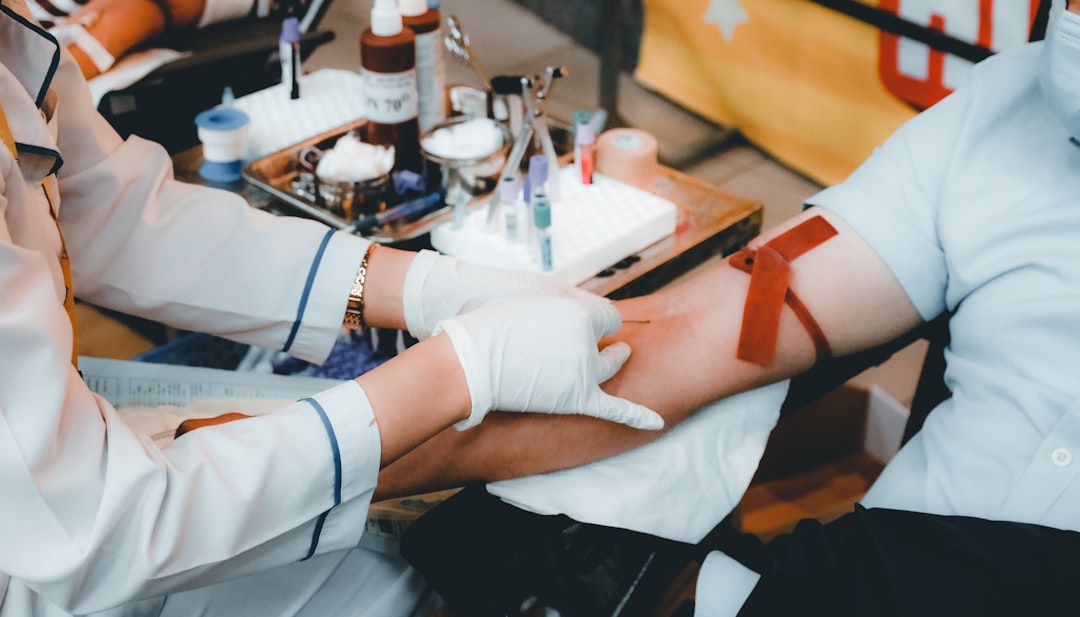
Quick answer: You do not always need to fast before a cholesterol test. Many routine lipid panels can be done after you have eaten. Your healthcare professional may still request a fasting sample for your particular situation, especially when triglycerides are very high or another test on the same order requires fasting. Follow the instructions on your lab request, and ask the ordering team if they are unclear.
You have a morning blood test booked, but nobody mentioned breakfast. Should you skip it just in case? It is a common question because “cholesterol test” can mean different testing plans. A lipid panel generally reports total cholesterol, LDL cholesterol, HDL cholesterol and triglycerides. The American Heart Association says it may be ordered fasting or nonfasting, depending on what suits your situation.
Anthony Ofori | Medical Graduate in General Medicine | Founder, WellNest Central
Last updated: 25 September 2026
Why is a nonfasting cholesterol test often useful?
A nonfasting panel shows what your blood lipids look like during an ordinary day. Eating beforehand does not automatically make the entire result useless. Clinicians can often use a routine nonfasting lipid panel to assess cardiovascular risk. In its 2026 lipid guideline education, the American College of Cardiology highlights nonfasting panels for screening.
That does not mean you should ignore a fasting instruction. The reason for the test matters. A clinician who is following up a previous result, investigating very high triglycerides or ordering several tests together may need a fasting sample. The simplest approach is to check the actual instructions for your appointment instead of relying on a rule you heard years ago.
Which part of the panel changes after a meal?
Triglycerides are the part most closely linked to recent food intake. They are fats carried in your blood and can rise after eating. A higher triglyceride number on a nonfasting test is therefore interpreted in that context. Some LDL values are estimated using other numbers from the panel, so a markedly elevated triglyceride result can also make certain LDL estimates less useful. Your laboratory and clinician decide which calculation or further test fits the result.
A meal before your blood draw does not by itself diagnose high triglycerides, and it does not erase a high LDL result. If a result is unexpected, tell the healthcare team whether you ate and when. They can decide whether a fasting repeat will answer the question. The National Library of Medicine’s triglycerides guide notes that your provider will tell you if fasting is needed for that test.
When might your clinician ask you to fast?
- Your previous triglycerides were very high. The team may want a fasting repeat to clarify the level and assess the other lipid results. Current ACC teaching materials identify a fasting panel when triglycerides are above 400 mg/dL (about 4.5 mmol/L).
- Several blood tests are ordered together. Some blood glucose tests, for example, require fasting even when a routine lipid panel does not. Check the complete lab order rather than only the cholesterol test.
- Your clinician needs comparable follow-up measurements. They may give you a consistent preparation plan to interpret changes over time.
These are examples, not instructions to fast on your own. If you take diabetes medication or have a condition that makes missed meals difficult, contact the ordering team for a safe plan before the appointment.
Want help preparing for your results conversation?
If your lipid numbers are confusing, contact WellNest Central to organise the questions you want to raise with your healthcare professional.
What if you already ate before a fasting test?
Tell the lab or the clinician who ordered the test before the blood is drawn. Explain what you ate or drank and approximately when. They may still want the sample, especially if the lipid panel was intended to be nonfasting, or they may move a test that specifically requires fasting. Do not describe yourself as fasting if you had food, milk, juice or a sweetened drink; the preparation details help them interpret the result correctly.
If you are instructed to fast, the National Library of Medicine’s fasting guide says plain water is generally allowed, while coffee, juice and other drinks are not. Your team will specify how long to fast; it is often an overnight period. Ask whether to take your usual medicines, and do not stop prescribed treatment without their advice.
How to discuss an unexpected cholesterol result
Bring the full panel, including LDL, HDL and triglycerides, instead of focusing on one number. Mention whether the sample was fasting, any medicines you take, relevant family history and previous results. Ask, “Does this result need a fasting repeat, or can we make a plan from this panel?” The answer depends on your overall cardiovascular risk as well as the laboratory values.
If triglycerides are high, a conversation about food patterns, activity, alcohol intake, medicines and any medical conditions may be useful. Do not buy a supplement because of a single nonfasting number. If you are considering omega-3 products, our guide to omega-3 from fish versus supplements explains where they fit and what to ask first. If the lab order also contains A1C, see our A1C results guide for what that different blood sugar measure represents.
The takeaway
Ask whether your specific cholesterol test requires fasting. A routine nonfasting lipid panel is often useful; a fasting test can clarify certain findings or satisfy instructions for other tests on the same order. If you ate by mistake, tell the lab rather than guessing or cancelling on your own. For help preparing thoughtful questions about your numbers, you can reach WellNest Central.
This article provides general health education and does not replace individual medical diagnosis or treatment.


Pingback: High ALT on a Blood Test: What It Means
Pingback: High Triglycerides but Normal LDL: What It Means