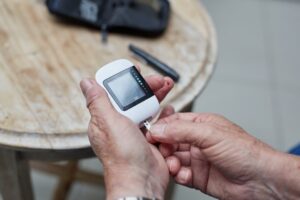
Quick answer: Can statins raise blood sugar or A1C? Yes, they can cause a modest increase in some people. That does not mean everyone taking a statin will develop diabetes. For people who have a clear cardiovascular reason for treatment, the protection against heart attack and stroke usually outweighs this risk. Discuss a changed result with your prescriber before changing your medicine.
Your LDL cholesterol has improved since starting treatment, but your next blood test shows a slightly higher glucose or A1C. It is reasonable to ask whether the medicine contributed. The answer needs your earlier results, the size of the change and the reason you were prescribed the statin.
Anthony Ofori | Medical Graduate in General Medicine | Founder, WellNest Central
Last updated: 3 October 2026
Why are statins prescribed?
Statins reduce cholesterol production in the liver and lower LDL cholesterol. Their purpose is to reduce cardiovascular events, rather than simply make a laboratory number look better. The CDC’s statins and diabetes guide explains that these medicines can protect against heart disease while also having a possible effect on blood sugar. Both sides belong in the discussion.
WellNest Central support
Put your results together
We can help you organise your test history, daily habits and questions for your healthcare professional.
How should you interpret a glucose increase?
A higher reading after starting a statin does not establish that the medicine caused the whole change. Compare the new result with your baseline and check what was measured: fasting glucose, a random glucose value or A1C. These tests answer different questions. The dates and circumstances matter too.
Bring both reports to your appointment rather than only the latest number. Write down when the statin started, whether the dose changed, and any other new medicines. A useful question is: “Is this a meaningful trend, and do we need to confirm it?” Your clinician can decide whether repeat testing would clarify the finding.
If the two blood tests disagree, our guide to high fasting glucose with normal A1C explains why a single test should be interpreted alongside the rest of the picture.
Does this mean you should stop the statin?
Do not stop it solely because you read that statins can raise glucose. The American Heart Association’s statin safety statement describes a modest increase in diabetes risk, with the size of that risk depending on the population being treated. It also concludes that the cardiovascular benefits outweigh the safety concerns for people in whom treatment is recommended.
A slightly higher A1C and a prior heart attack are very different pieces of evidence. A prescriber weighs both, along with your overall health. Even if diabetes is confirmed, that does not automatically remove the reason for cholesterol treatment. The plan may include managing blood sugar while continuing cardiovascular protection.
Why does your personal heart risk matter?
The 2026 dyslipidemia guideline uses cardiovascular risk assessment and personal risk factors to guide cholesterol treatment. It also sets LDL and non-HDL treatment goals according to risk. The treatment decision therefore involves more than whether the laboratory marks LDL as high.
Ask why the medicine was recommended in your case. Was it a previous cardiovascular event, diabetes, kidney disease, a very high LDL level or your estimated future risk? Understanding that reason makes the benefits easier to compare with a possible adverse effect. Our article on non-HDL cholesterol can help you read another part of the lipid panel.
Questions for your next appointment
- What were my glucose and A1C results before treatment?
- Is the new value a small change or a result that needs confirmation?
- How much cardiovascular protection is the statin expected to offer me?
- What monitoring schedule makes sense for my blood sugar and cholesterol?
- Which food, activity or weight-management change would be most useful for me?
Keep the discussion practical. Bring the medicine name, dose, start date and your laboratory reports. If you have increased thirst, frequent urination or unexplained weight loss, arrange medical review rather than waiting for the next routine check.
The takeaway: Statins can raise blood sugar in some people, but that finding belongs in a broader assessment. Confirm the trend, understand the reason for treatment and agree on follow-up with your prescriber.
WellNest Central support
Prepare a focused follow-up
We can help you gather your results and lifestyle questions before you discuss your treatment plan with your healthcare professional.
This article provides general health education and does not replace individual medical diagnosis or treatment.