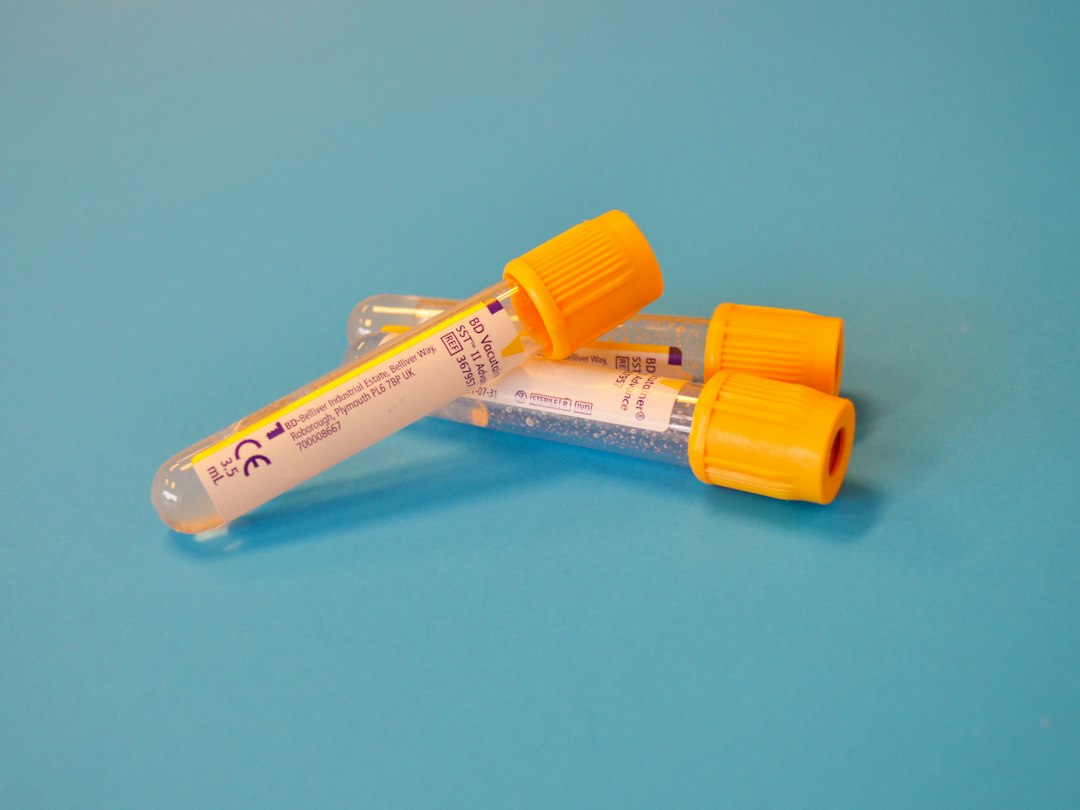
Glucose Tolerance
A glucose tolerance test examines your response to a measured glucose drink. Learn when it can add information beyond fasting glucose and A1C.
A glucose tolerance test examines your response to a measured glucose drink. Learn when it can add information beyond fasting glucose and A1C.

Early fullness, nausea, and unpredictable glucose can raise questions about stomach emptying. Learn what evaluation and individualized care involve.

Type 2 diabetes can enter remission, but improved glucose does not end follow-up. Understand the definition, realistic options, and ongoing care.

Fructosamine provides a shorter view of average blood glucose than A1C. Learn when it can help and why it also has important limitations.

Steroids can raise glucose even in someone without known diabetes. A monitoring plan helps you use necessary treatment safely without changing doses yourself.
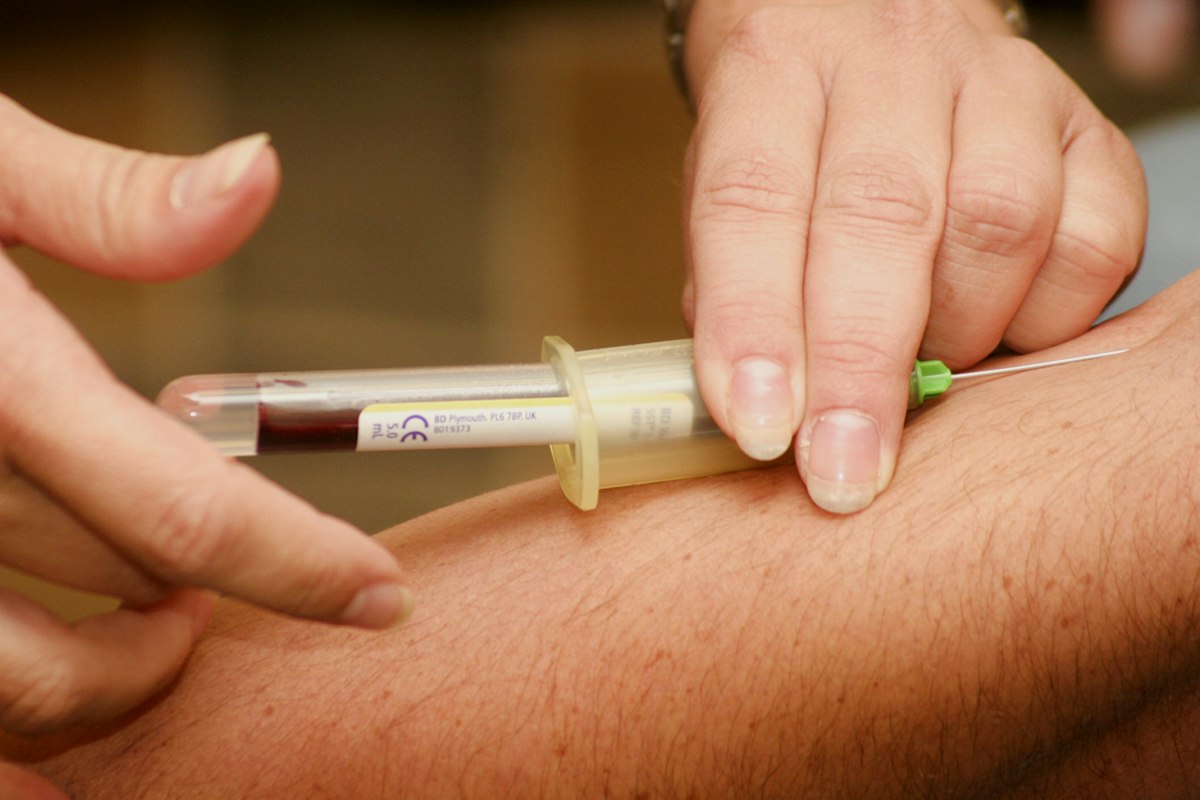
Feeling well does not prove a low glucose alert is wrong. A safe response considers the sensor, a finger-stick check, and your personal treatment plan.
An improved A1C is meaningful progress, but it is not a lifetime guarantee. Learn how to protect your progress without fear, blame, or extreme dieting.
Body size is only part of metabolic health. Learn why insulin resistance can occur at a healthy weight and why testing should follow your individual risk.

Shakiness, sweating, and a racing heart can have several causes. A careful record of symptoms and measurements helps clarify what is happening after meals.

A post-workout glucose rise does not automatically mean exercise is harming your health. Understand the pattern and make a safe plan with your diabetes team.