Anthony Ofori | Medical Graduate in General Medicine | Founder, WellNest Central
Last updated: October 8, 2026
This article provides general health education for adults and does not replace individual medical advice.
You buy fresh vegetables with good intentions, then find them untouched at the back of the refrigerator. Meanwhile, the bag in the freezer feels like a second-best option. Does healthy eating really require everything to be fresh?
Frozen vegetables can be a healthy, practical choice. The American Heart Association recognizes fresh, frozen, and canned produce as useful ways to include vegetables in your diet. The ingredients, preparation, and what you actually eat matter more than choosing a particular supermarket aisle.
Does freezing make vegetables less nutritious?
Vegetables intended for freezing are typically harvested when ripe and frozen promptly to help preserve their nutritional value. There is no need to assume that a plain frozen option is nutritionally inferior simply because it comes in a bag.
That does not mean every fresh and frozen product has an identical nutrient profile. A more useful shopping question is: “Which option will I enjoy, prepare, and use?”
WellNest Central support
Make everyday food choices easier
Explore educational support with practical nutrition habits that fit your schedule, preferences, and budget.
Three checks before you put a bag in your cart
1. Read the ingredients
A plain vegetable or vegetable mix gives you flexibility to season it yourself. Products with cheese sauces, butter, or seasoning blends can contain more sodium and calories. Compare the complete product, rather than assuming that everything labeled “vegetables” has the same composition.
2. Compare sodium using the same serving size
The FDA recommends using the Nutrition Facts label to compare similar foods. As a general guide, 5% Daily Value or less of sodium per serving is low; 20% or more is high.
Check how many servings you will eat. For example, if a label lists 300 mg of sodium per serving and you eat two servings, that portion provides 600 mg. This is an illustrative calculation, not a value for all frozen vegetables.
3. Look beyond front-of-package claims
“Reduced sodium” means at least 25% less sodium than the regular product; it does not necessarily mean low sodium. “No salt added” means salt was not added during processing, but the food may still contain sodium. The numbers on the back help you compare more accurately.
When fresh, frozen, or canned makes sense
Each format can have a place in the same kitchen. Fresh vegetables may suit a crunchy salad. Frozen vegetables can be useful when your meal plans change. Canned vegetables are convenient pantry ingredients; lower-sodium options are available, and draining and rinsing can remove some sodium.
Choose by the meal you intend to make, available storage, and price. You do not need to commit to one format for every dish.
Turn a freezer staple into an actual meal
Try one of these combinations, cooking each ingredient appropriately and following the package directions for the vegetables:
- Rice bowl: cooked broccoli, brown rice, and chicken or tofu, finished with herbs and a little olive oil.
- Quick pasta: cooked spinach and white beans folded into pasta with garlic and lemon.
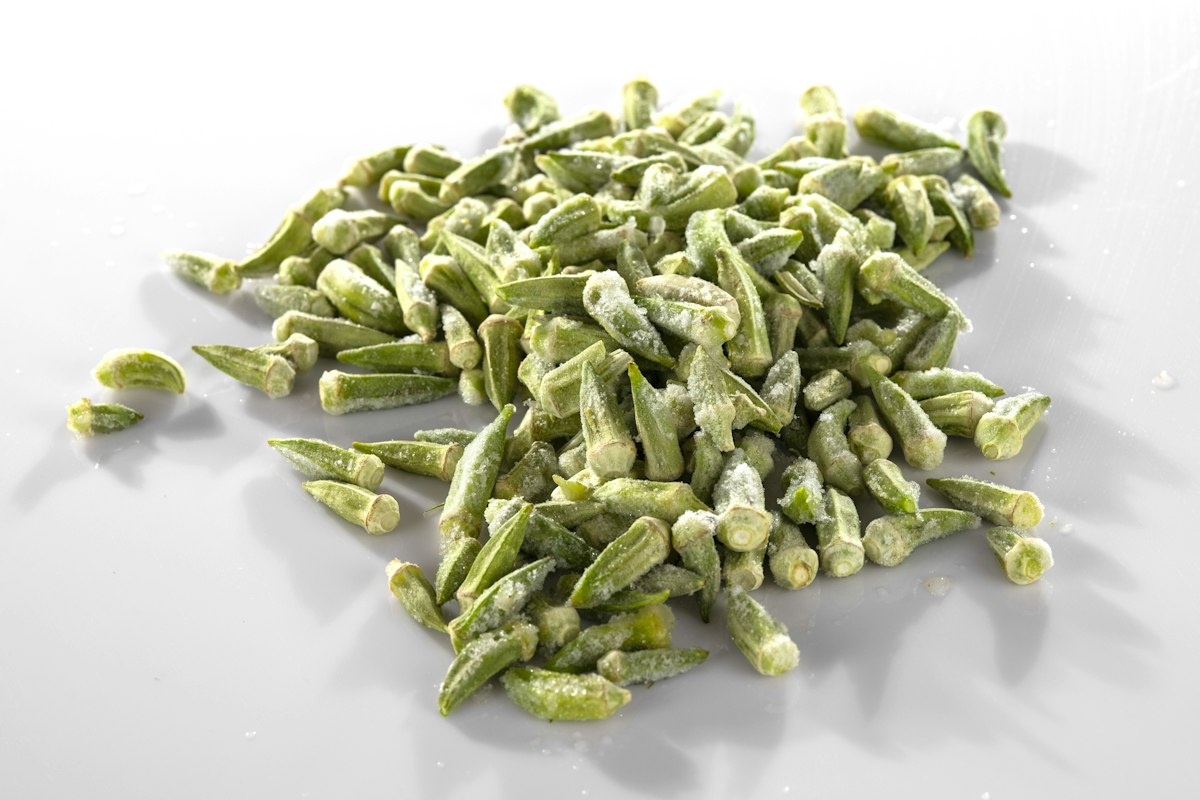
- Weeknight stew: okra, tomatoes, and your preferred beans or protein, served with a grain you enjoy.
These are flexible meal ideas. Swap ingredients for taste, allergies, or any eating plan recommended by your healthcare team.
For another everyday shopping decision, see our guide to choosing a healthy yogurt using simple label checks.
Can frozen vegetables help your grocery budget?
They can be economical, but check your own store’s prices. Compare unit prices for similar products, then consider how much you realistically use. A larger bag offers little value if it does not fit your freezer or you dislike the mix.
A simple approach is to choose two vegetables you already enjoy and write down one meal for each before shopping. Use the fresh ingredients you already have before buying more.
Keep preparation and storage straightforward
Follow the frozen product’s storage and cooking instructions. For fresh produce, FDA guidance includes keeping it separate from raw meat and refrigerating perishable or pre-cut produce at 40°F or below.
Your next grocery trip does not need a complete overhaul. Start with one plain frozen vegetable, check its label, and give it a specific place in a meal you already cook.
Would you like support building a practical nutrition routine?
A private WellNest Central consultation offers educational guidance around everyday food choices, meal planning, and sustainable lifestyle goals.
Book Your One-on-One Consultation


Pingback: DASH Diet for Beginners: Meals, Sodium and Simple Steps