Anthony Ofori | Medical Graduate in General Medicine | Founder, WellNest Central
Last updated: October 13, 2026
Most people recognize a reading such as 120/80, but the top number often gets all the attention. What if the top looks reasonable and the bottom is repeatedly higher than expected?
The bottom blood pressure number is the diastolic pressure. It describes pressure in the arteries while the heart relaxes between beats. It is not your pulse, and it is not a less important number simply because it appears underneath the other one.
Both numbers need context: how the reading was taken, whether the pattern persists, whether symptoms are present, and what target your clinician has recommended.
This article provides general health education for adults and does not replace individual medical advice.
How do the two numbers differ?
Systolic pressure, the top number, reflects pressure when the heart contracts. Diastolic pressure reflects the pressure between those contractions. Both are reported in millimeters of mercury, written as mmHg.
The American Heart Association explains the two blood pressure numbers and why their relationship to risk can vary with age. The practical point is to record both values and let your clinician interpret the overall pattern.
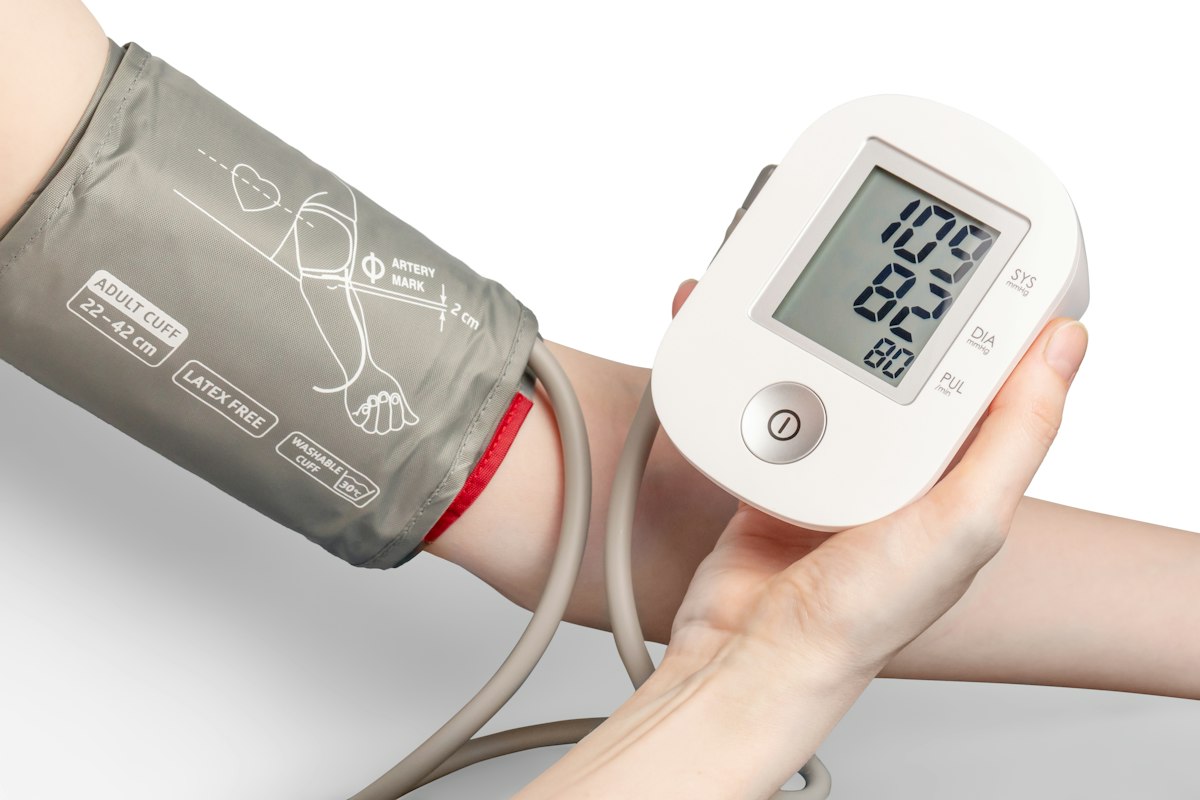
If your monitor also displays a pulse, that is a separate measurement of beats per minute. A pulse of 80 and a diastolic pressure of 80 do not mean the same thing.
Support for heart-healthy everyday habits
Explore educational guidance for nutrition, movement, and a realistic lifestyle routine. Explore consultation options.
What is considered a high diastolic number?
In the American Heart Association’s categories, diastolic pressure of 80–89 mmHg falls within stage 1 hypertension, and 90 mmHg or above within stage 2. The systolic value also matters; the higher category of the two determines the reading’s category.
These categories are explained in the AHA guide to understanding blood pressure readings. They are not a diagnosis from a single home measurement. Clinical thresholds and treatment decisions can differ by guideline, measurement setting, and individual circumstances.
For example, a hypothetical reading of 118/86 has a reassuring-looking top number but a bottom number worth reviewing if it persists. It should neither be ignored nor treated as an emergency solely because of that isolated result.
Can only the bottom number be high?
Yes. When the diastolic value is raised while the systolic value is below the relevant threshold, clinicians may describe isolated diastolic hypertension. Confirming a repeated pattern is important before deciding what it means for you.
Ask your clinician how they are interpreting the readings and whether home monitoring or a 24-hour monitor would clarify them. Your age, other health conditions, medicines, and overall cardiovascular risk influence the discussion.
Avoid trying to force one number down with an extra tablet. Blood pressure medicines affect the circulation as a whole, and treatment should be adjusted by the person prescribing them.
Check the measurement before judging the pattern
A reading taken while talking, moving, or sitting awkwardly may not represent your resting pressure. The cuff must fit, and the arm should be supported appropriately.
The AHA report on cuff size and accuracy explains why an unsuitable cuff can distort results. Check your monitor’s cuff range rather than assuming one standard size fits everyone.
Our guide to a blood pressure cuff that is too small helps you review this practical issue. If you remain unsure, take the monitor and cuff to an appointment and ask someone to watch your technique.
Use the schedule your team recommends. Repeatedly checking every few minutes until a preferred number appears can make the record harder to interpret and the experience more stressful.
What if the bottom number is low?
A lower diastolic value is not automatically an emergency, particularly when it is usual for you and you feel well. However, a new change or readings accompanied by dizziness, fainting, weakness, or chest discomfort deserve assessment.
The significance depends on the full reading, symptoms, medical history, and treatment. A low diastolic result with a much higher systolic result is a different situation from both numbers falling after illness or a medication change.
Do not independently stop blood pressure medicine or add large amounts of salt to raise the number. Ask your clinician what the pattern means and which symptoms require urgent attention. If the problem occurs on standing, our article on dizziness and postural blood pressure drops provides related background.
Build a record your clinician can use
Write both blood pressure values, the date and time, and any relevant symptoms. Record medication timing if your team asks for it. Note circumstances such as a rushed measurement or a cuff problem instead of hiding an inconvenient result.
A concise record is often more useful than a phone gallery filled with unlabelled monitor photographs. Consider a simple format: date, time, first reading, second reading, and a short note. Follow the requested measurement interval rather than inventing one.
At your review, ask the clinician to explain the average and pattern. The highest single reading may attract attention, but it should not be the only value discussed.
When does a reading need urgent action?
If systolic pressure is above 180 or diastolic pressure above 120, repeat after at least one minute if you have no emergency symptoms. If it remains that high, contact a healthcare professional immediately for instructions.
Chest pain, shortness of breath, new weakness, difficulty speaking, or major vision changes with very high pressure require emergency care. Do not delay for more measurements. Serious symptoms also need assessment even if the monitor does not show an extreme number.
Questions worth asking
Ask what your personal target is, whether both numbers are above it, and whether your home technique is reliable. Clarify when to repeat monitoring and what would trigger a medication review.
The bottom blood pressure number is one part of a connected picture. Recording it accurately and reviewing persistent changes helps turn a confusing display into useful information for your care.
Want support with your everyday health habits?
Explore practical lifestyle education alongside your blood pressure care plan. Explore One-on-One Consultation Options.