Anthony Ofori | Medical Graduate in General Medicine | Founder, WellNest Central
Last updated: October 13, 2026
This article provides general health education for adults and does not replace individual medical advice.
One blood pressure reading at an appointment can leave unanswered questions. Does your pressure stay high outside the clinic? What happens during sleep? Could symptoms occur at times when a routine measurement misses them?
For some people, a clinician recommends 24-hour blood pressure monitoring, also called ambulatory blood pressure monitoring or ABPM. A wearable device takes repeated measurements while you go about much of your usual day and night.
The test is straightforward, but knowing what to expect makes it easier. You are helping collect a useful picture of your routine, not trying to produce the lowest possible numbers for one day.
What equipment will you wear?
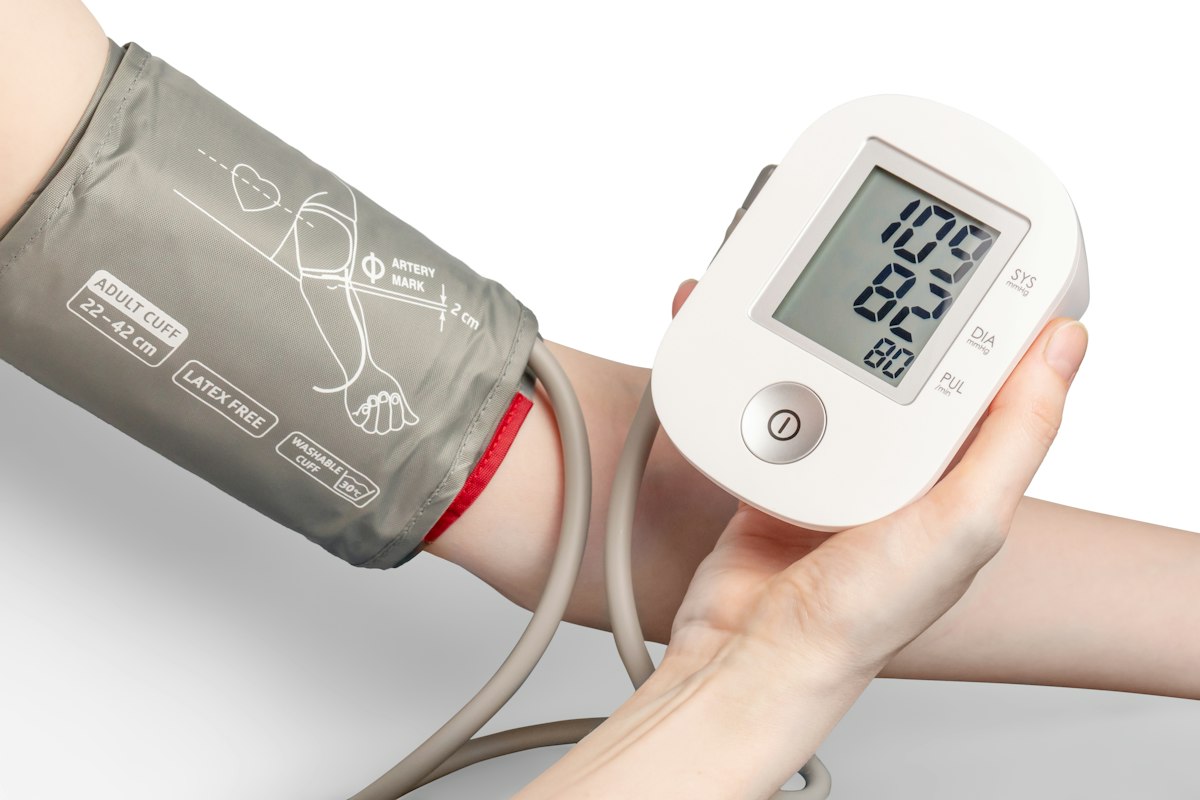
Usually, an upper-arm cuff connects by tubing to a small recorder carried on a belt or strap. It inflates automatically at intervals selected by the service. Measurements are often more frequent during waking hours than during sleep.
Leeds Teaching Hospitals explains ambulatory monitoring, including fitting the cuff and keeping a diary. The exact schedule and equipment can differ, so use the instructions from the team providing your monitor.
At fitting, ask how to recognize a normal inflation, what to do if the cuff slips, and whom to contact if there is a problem. A quick demonstration is more useful than trying to troubleshoot unfamiliar equipment late at night.
Support for practical heart-health habits
Explore educational help with nutrition, activity, and making everyday routines more manageable. Explore consultation options.
Why might your clinician recommend it?
Repeated measurements outside an appointment can clarify whether high readings persist and help assess a pattern that clinic measurements alone do not explain. The test may also support a review of treatment or symptoms.
Ask what question your own referral is intended to answer. A test requested to clarify a diagnosis may be interpreted differently from one requested during a medication review.
If your readings differ between locations, our article on high blood pressure at home but normal readings at the doctor explains why the difference deserves attention. ABPM supplies more information; it does not mean the clinician assumes your home measurements are imaginary or unimportant.
How should you prepare for the appointment?
Wear clothing with enough room around the upper arm for the cuff to inflate. Consider how the recorder will sit under a coat or alongside a work uniform. Bring a medicine list and follow any instructions about taking your usual doses.
Before the day, ask whether the test is compatible with your work, driving, planned exercise, and sleep schedule. If your job involves machinery, heavy lifting, or activities where tubing could catch, explain that in advance.
You may find it easier to bathe before fitting. Most services ask you to keep the equipment dry and avoid bathing or showering while wearing it. Do not remove or reconnect it unless your team has specifically shown you how and told you when that is allowed.
What should you do when the cuff inflates?
Follow the positioning instructions from the fitting team. When safe, stop moving and keep the arm relaxed and still during measurement. Movement can make obtaining a reading more difficult.
The North Bristol patient guide describes the repeated cuff inflation and practical restrictions. Brief squeezing is expected. Persistent severe pain, marked swelling, or ongoing numbness is not something to tolerate silently; contact the service and follow its safety instructions.
Do not prioritize a measurement over safety. If you are in the middle of a task where suddenly stopping would be dangerous, make yourself safe first. Clarifying work and travel arrangements beforehand helps avoid that situation.
Keep a diary that explains the day
The monitor records numbers, but it does not know that you had just climbed stairs, taken medicine, or been awake for an hour. A short diary supplies that context.
Record the items your service requests. These commonly include sleep and wake times, medication timing, symptoms, and significant activities. Write times as accurately as you can without turning the entire day into a paperwork exercise.
An entry such as “2:10 p.m.—felt lightheaded after standing; sat down” is more useful than a general note saying “felt strange today.” If a symptom is severe, seek care first and write the note later.
What if you work nights or sleep poorly?
Tell the team if your usual sleep occurs during the day or varies between shifts. Your actual sleep times matter more than assumptions about what counts as daytime and nighttime.
The cuff can disturb sleep. Record when you went to bed, when you believe you slept, and significant awakenings. Do not take an unprescribed sleeping medicine just to make the recording look more typical.
University College London Hospitals describes 24-hour monitoring and symptom diaries. Its instructions also illustrate why services may tailor the test to a particular clinical question. Follow your own service’s plan rather than combining incompatible instructions from different leaflets.
Should you change food, coffee, or medicines?
Ask the team what it wants you to do. Unless given specific instructions, do not deliberately change your routine to obtain a better result. Take prescribed medicines as directed and record the timing when requested.
If something unusual happens—a missed dose, a stressful event, illness, or much less sleep—note it. The aim is transparency, not a perfect-looking day.
Our guide to blood pressure dropping after eating shows why meal timing can sometimes be relevant to symptoms. Do not perform your own food challenge or deliberately provoke dizziness during monitoring.
What will the results tell you?
The clinician reviews the recording as a pattern, including the quality and completeness of the measurements. Ask about the overall assessment rather than focusing only on the highest number.
The thresholds used for ambulatory averages are not interchangeable with every clinic or home-reading chart. Let your clinician explain the appropriate interpretation and whether enough usable measurements were collected.
Before returning the equipment, confirm who will receive the report and when you should expect feedback. If a repeat test is needed because of technical problems, ask what could make the next attempt more successful.
The monitor is not an emergency response service
Do not assume someone is watching each reading live. Chest pain, severe breathlessness, fainting, or new stroke-like symptoms require urgent assessment regardless of whether the cuff is currently measuring.
With preparation, 24-hour blood pressure monitoring can turn scattered readings into a more useful clinical picture. Your main tasks are to follow the equipment instructions, maintain the agreed routine, and provide an honest diary.
Want support with your everyday health habits?
Explore practical lifestyle education alongside your clinician’s blood pressure recommendations. Explore One-on-One Consultation Options.