Anthony Ofori | Medical Graduate in General Medicine | Founder, WellNest Central
Last updated: October 14, 2026
This article is general education. Hormone testing, medication preparation, and treatment require guidance from your prescribing clinician or specialist.
High blood pressure sometimes has a specific, treatable contributor. One is primary aldosteronism, a condition in which one or both adrenal glands produce too much aldosterone relative to the body’s needs.
Aldosterone helps regulate sodium, potassium, and fluid balance. Excess activity can contribute to high blood pressure and increase health risks beyond the blood pressure number alone.
You may hear about the condition after needing several medicines, after a low potassium result, or during a broader hypertension review. None of those situations proves the diagnosis, but they can lead to a useful testing discussion.
Why look for a hormonal cause?
Identifying a specific cause can change treatment. Some people benefit from medicines that block aldosterone’s effects; selected people with a one-sided source may be considered for surgery.
The Endocrine Society explanation of endocrine-related hypertension places aldosterone excess among the hormonal causes of high blood pressure.
The purpose of investigation is to choose treatment more precisely. It is not to suggest that everyone with hypertension has an adrenal problem or that ordinary blood pressure management should stop while testing is considered.
Our guide to resistant hypertension explains the broader review when readings remain high despite treatment.
Prepare for a more focused review
For educational support with everyday habits and organizing your health questions, Explore consultation options. Hormone testing and medication changes require your medical team.
Does potassium have to be low?
No. A normal potassium result does not exclude primary aldosteronism. Relying only on low potassium would miss some people with the condition.
The Endocrine Society’s 2025 guideline suggests broader screening among people with hypertension, using aldosterone and renin measurements. Implementation depends on clinical circumstances and available resources.
Ask whether screening is appropriate for you rather than waiting for a dramatic symptom. Many people with high blood pressure do not feel unwell, which is one reason measurement and follow-up matter.
Do not self-prescribe potassium because you suspect aldosterone excess. Potassium treatment must fit the blood result, kidney function, and medicines being taken.
What do aldosterone and renin tests show?
Renin is part of the system that regulates aldosterone. Clinicians interpret aldosterone and renin together, often using an aldosterone-to-renin ratio, alongside potassium and other information.
The MedlinePlus aldosterone test guide explains why this is more than a stand-alone hormone number. Collection conditions and medicines can affect the result.
A ratio found online is not a universal diagnostic cutoff. Laboratories use different methods and units, and the individual aldosterone and renin values matter as well.
Keep the complete laboratory report rather than copying only the ratio. Ask whether the test was a screen, whether it needs repeating, and what would count as a meaningful result in your situation.
Preparation needs an individualized plan
Tell the ordering clinician about every prescription, over-the-counter medicine, supplement, and licorice-containing product you use. Some blood pressure medicines influence the measurements, but stopping them without supervision can be unsafe.
The team may arrange testing while certain medicines continue, change the plan temporarily, correct low potassium, or repeat testing under different conditions. The right approach balances interpretability with safety.
Obtain instructions about timing, posture, food or salt intake, and medicines from the testing service. Do not make a major salt change or start supplements to “prepare” unless specifically instructed.
If several clinicians prescribe for you, ask who coordinates the plan. A written list of what to take on the test day is more reliable than trying to remember a brief conversation.
What happens after a positive screen?
A screen may lead to specialist review and, in selected situations, further biochemical testing. If surgery is being considered, imaging and sometimes adrenal vein sampling help determine whether excess production is coming predominantly from one side.
An adrenal nodule on a scan does not automatically prove that it is the hormone source. That distinction helps prevent a treatment decision based on appearance alone.
Ask the specialist to explain the sequence in plain language: confirmation of the hormonal pattern, identification of its source when needed, and the treatment options available to you.
Treatment and monitoring
Medication that blocks aldosterone’s effects may be appropriate, including when both glands contribute or surgery is not suitable. Surgery is an option for selected people after a suitable assessment.
Either approach needs follow-up. Blood pressure, potassium, and kidney function can change with treatment, and other medicines may need adjustment by the prescribing team.
Ask what the proposed treatment is expected to improve and what it may not resolve. Avoid assuming that surgery guarantees you will never need a blood pressure medicine again.
For anyone taking multiple medicines, an updated list should travel between appointments. Report dizziness, side effects, or difficulty following the schedule rather than quietly adjusting doses.
Keep measurement reliable during the investigation
Continue the home-monitoring plan your clinician recommends. Record readings accurately and bring the monitor if its fit or accuracy is uncertain.
Our article on 24-hour blood pressure monitoring explains another tool that may help describe your pattern. Monitoring supports assessment, but it does not replace the hormone tests when those are indicated.
Very high readings with chest pain, neurological symptoms, breathlessness, or confusion require emergency assessment. Do not wait for a hormone appointment to address acute symptoms.
Questions to take to your next visit
Ask why screening is appropriate, which medicines affect it, and who will interpret the result. If further tests are suggested, ask how they would change treatment.
The most useful outcome is a coordinated plan with clear preparation and follow-up. Primary aldosteronism is worth recognizing because a specific diagnosis can open the door to more targeted care.
Support for sustainable health routines
For educational help preparing questions and building practical habits alongside treatment, Explore One-on-One Consultation Options.
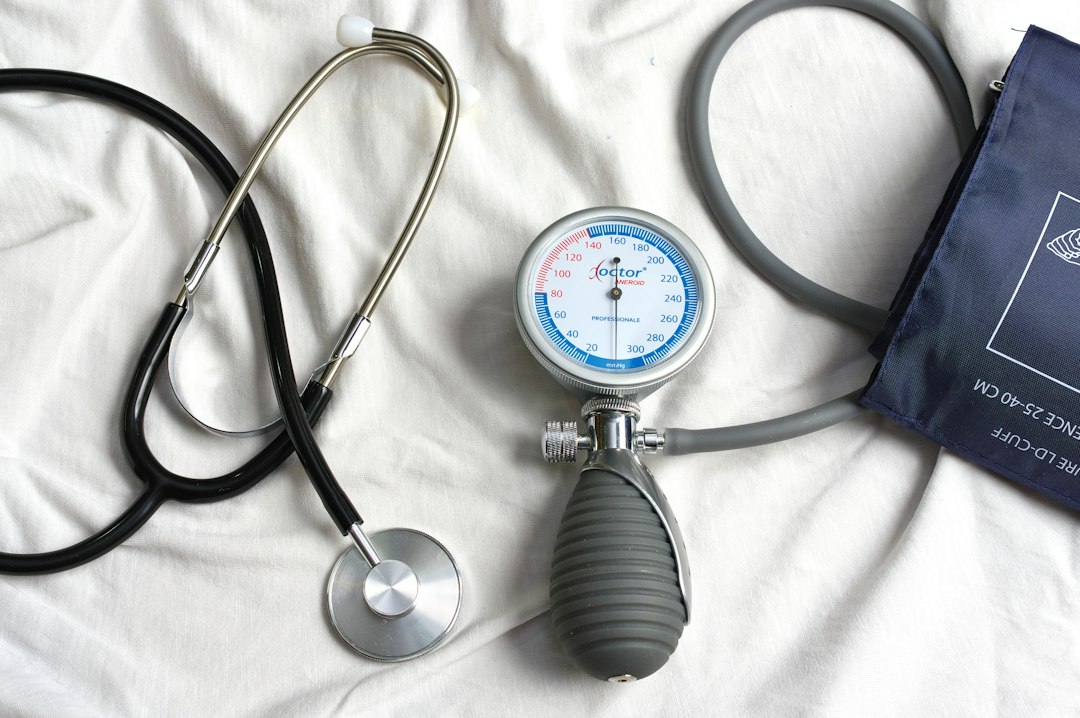
Featured photograph: Immo Wegmann / Unsplash. Illustrative image.