Anthony Ofori | Medical Graduate in General Medicine | Founder, WellNest Central
Last updated: November 14, 2026
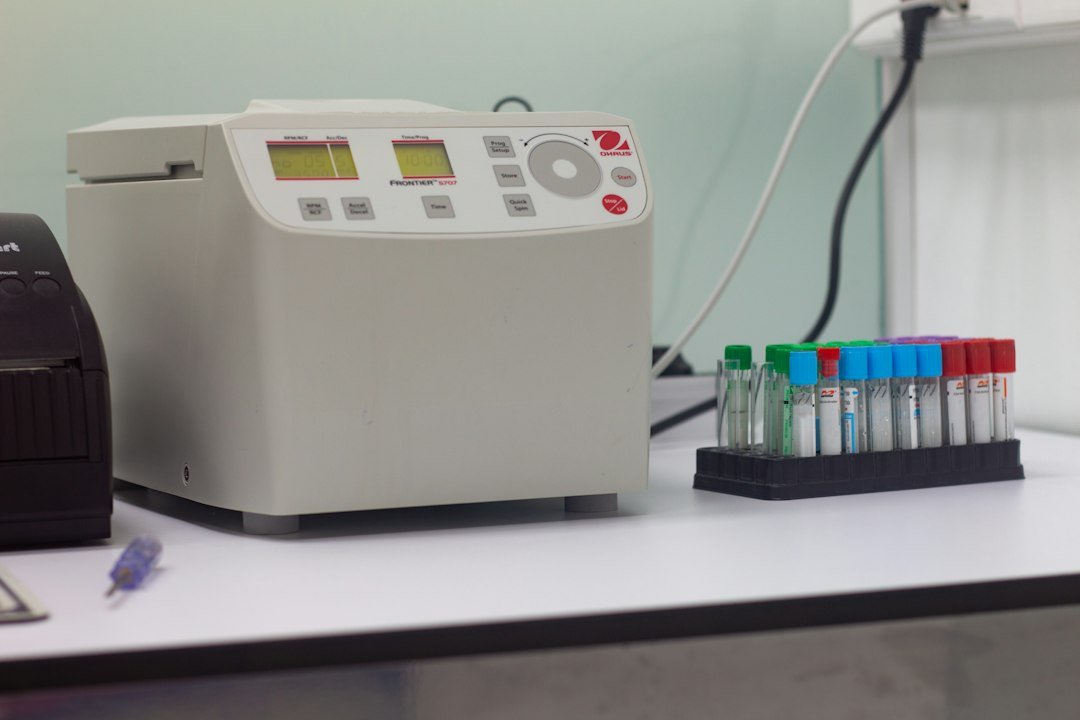
Clinical blood samples illustrate investigation of high lipase and pancreatic health.
Lipase is a digestive enzyme produced mainly by the pancreas. If a blood test flags high lipase, it is understandable to think immediately of pancreatitis. Yet lipase can rise for other reasons, and the significance depends on how far the number exceeds your laboratory range, symptoms and other findings. A high lipase result is a clue that deserves context, not a diagnosis on its own.
Questions about your health?
Explore a personalized, medically informed one-on-one wellness consultation and practical next steps.
What does a lipase blood test measure?
Lipase breaks down dietary fats so they can be digested and absorbed. Most circulating lipase comes from the pancreas, which lies behind the stomach. Damage or irritation affecting the pancreas may release more lipase into the bloodstream. A small amount is normally present in blood.
The MedlinePlus lipase test guide explains that the measurement helps investigate pancreatic problems, especially acute pancreatitis. However, enzymes can rise in several abdominal and systemic conditions. The test result belongs alongside the examination, history and other laboratory data.
What level is considered high?
The upper limit for lipase differs considerably among laboratories because the methods and reference ranges are not identical. A result flagged 90 U/L in one laboratory cannot be compared blindly with a result from another facility. Focus on how many times your value exceeds that laboratory’s upper limit.
For acute pancreatitis, a common diagnostic criterion is lipase or amylase at least three times the upper limit of normal, considered alongside characteristic abdominal pain and imaging when necessary. Meeting one criterion alone does not necessarily establish the diagnosis. A modest elevation without symptoms has a different interpretation.
Pancreatitis and typical symptoms
Acute pancreatitis often causes significant upper abdominal pain that may radiate to the back. Nausea, vomiting and tenderness may accompany it. Gallstones and heavy alcohol exposure are established causes, while medications, very high triglycerides and other factors may contribute.
Our guide to pancreatitis symptoms discusses urgent warning signs. Severe or persistent upper abdominal pain, especially with vomiting or fever, needs prompt medical evaluation. Do not rely on the magnitude of a home or outpatient lab report to decide whether serious symptoms are safe.
Gallbladder and bile duct conditions
Gallstones can obstruct the shared drainage area for bile and pancreatic secretions and trigger pancreatic inflammation. Gallbladder disease or biliary obstruction can be associated with elevated lipase, sometimes with abnormal bilirubin or liver tests.
A clinician may consider right upper abdominal pain, jaundice, meal-related symptoms or gallstone history. Ultrasound or other imaging may be indicated depending on the clinical picture. Not everyone with elevated lipase needs a scan, and not every gallstone causes pancreatitis.
Kidney function
Kidneys help clear certain circulating enzymes. Reduced kidney function can therefore be associated with higher lipase even when the pancreas is not acutely inflamed. Kidney disease may also coexist with conditions that affect the abdomen, so the explanation should never be assumed solely from creatinine.
Review estimated glomerular filtration rate and other findings. If you already have chronic kidney disease, ask how the value compares with previous lipase results and symptoms. A clinician can decide whether evaluation should focus on the pancreas, kidney function or another cause.
Other digestive and medical explanations
Peptic ulcer disease, some intestinal conditions including obstruction, and certain illnesses affecting the abdomen can be associated with increased lipase. Diabetes-related metabolic problems and several medications may also alter measurements. This broad range explains why a minor elevation may remain unexplained after a single test.
The key question is whether your symptoms suggest a particular condition that requires treatment. Abdominal examination, medication history, glucose testing and targeted imaging are selected according to that question. High lipase is not a screening test that can reliably distinguish every digestive condition.
What if lipase is elevated but you have no pain?
An isolated mild rise without abdominal symptoms may be managed very differently from a severe elevation with classic symptoms. The clinician may check for recent illness, medications, kidney function and laboratory variation. Persistent or substantial elevation can justify further investigation even if you feel well.
Avoid assuming that a normal appetite or lack of pain excludes every pancreatic disorder. At the same time, repeated enzyme testing without a clear clinical purpose may not improve care. Ask what degree of elevation warrants confirmation, imaging or referral in your specific case.
Do you need imaging or repeat blood tests?
The diagnosis of acute pancreatitis often uses at least two of three elements: characteristic pain, substantially elevated pancreatic enzymes and compatible imaging. Imaging is not invariably necessary if the first two are clearly present. If the story is atypical, ultrasound or other studies may help.
A repeat lipase measurement is sometimes appropriate, but routinely tracking it every day does not reliably indicate recovery from pancreatitis. Your clinician may consider liver tests, triglycerides and kidney function to investigate causes rather than simply watching the lipase number decline.
What to do with the result
Bring your laboratory range, the full metabolic panel and a medication list. Tell the clinician about upper abdominal pain, vomiting, gallstones, alcohol exposure and any recent hospital treatment. Avoid self-treating presumed pancreatitis with digestive enzymes or restrictive fasting without a diagnosis.
Seek emergency care for severe persistent abdominal pain, repeated vomiting with dehydration, fainting or other serious symptoms. Otherwise, schedule an appropriately timed review. The goal is to identify whether the enzyme elevation represents an urgent pancreatic problem or another explanation.
How to prepare for your next appointment
Keep the original report showing the exact value, units, laboratory reference interval and date. Bring any previous comparable tests, a list of prescriptions, over-the-counter medicines and supplements, and a record of symptoms. Ask which other measurements are relevant and whether a repeat test will change the plan. A result just outside its reference range is not the same as a dangerous abnormality.
Medical decisions should be based on the whole clinical picture. An isolated number may have several possible explanations, and treating the wrong one with an unnecessary supplement or strict diet can be counterproductive. Seek timely care when symptoms become serious rather than waiting to correct a routine laboratory value.
Frequently asked questions
Can a blood test be abnormal when I feel fine?
Yes. Some findings are temporary or have little clinical significance, while others appear before symptoms develop. Feeling well is reassuring context but cannot replace thoughtful interpretation when the value is markedly abnormal or persistently outside range.
Is a repeat test always necessary?
No. Repeat testing makes sense when it helps confirm an unexpected finding, monitor a known problem or resolve uncertainty. Your clinician should be able to explain what the additional measurement would clarify and when it should be collected.
Should I change my diet or start a supplement immediately?
Not solely because of one lab flag. Supplements and dietary changes can be useful for documented needs, but some products interfere with tests or carry risks. Review your existing regimen first and match any intervention to a clear indication.
Key takeaways
Look at the result in context, compare it with earlier measurements and evaluate symptoms that may change urgency. Clear follow-up and targeted testing are more helpful than self-diagnosis. Seek urgent medical assessment for severe or rapidly worsening symptoms.
For personalized, medically informed wellness guidance, book your one-on-one consultation with WellNest Central.