Anthony Ofori | Medical Graduate in General Medicine | Founder, WellNest Central
Last updated: November 14, 2026
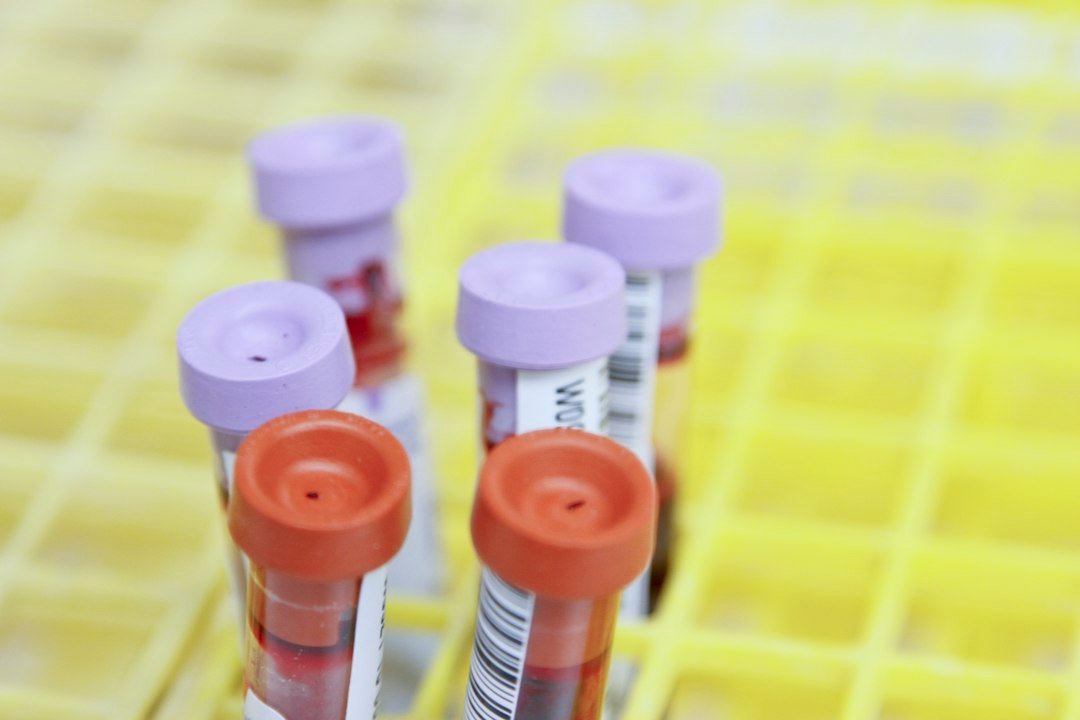
Blood samples illustrate assessment of a low serum uric acid result.
Uric acid is better known for its connection to gout when levels are high. A lower-than-expected blood uric acid level can therefore be surprising. Low serum urate is relatively uncommon and often does not cause symptoms or require treatment. Medications, nutrition and differences in how kidneys handle urate are among the possible explanations. The interpretation depends on the complete medical picture.
Questions about your health?
Explore a personalized, medically informed one-on-one wellness consultation and practical next steps.
What is uric acid?
Uric acid forms when the body breaks down purines, substances found in cells and many foods. The kidneys remove most of it through urine, while the intestines also help with elimination. A blood test measures serum uric acid, sometimes called serum urate.
The MedlinePlus uric acid test guide explains that high levels are often considered in gout or kidney stone assessments and that low levels are uncommon and usually not harmful by themselves. A low result should not be interpreted using advice intended for high uric acid.
What level is considered low?
Reference intervals vary with the laboratory, sex, age and testing method. A result of about 2 mg/dL may be low under some adult reference ranges, but precise interpretation must use your report. A modest decrease is not the same as very low or repeatedly undetectable urate.
Record the number, unit and reference interval, and compare earlier values if available. If you feel well and the rest of your blood panel is normal, your clinician may decide that no special treatment is required. Unexpected persistence or associated abnormalities may warrant evaluation.
Medicines that reduce uric acid
Some medications intentionally lower serum urate, particularly treatments for gout. Other drugs can have urate-lowering effects even when prescribed for different reasons, such as certain blood pressure or lipid medicines. A low value may reflect an expected medication response rather than disease.
MedlinePlus lists medications including losartan and fenofibrate among possible contributors. Bring your complete prescription and supplement list. Do not stop a gout medicine or other prescribed treatment simply because your urate is below a laboratory range; the treatment target and clinical situation matter.
Diet and nutritional influences
Purines are present in animal foods and produced naturally by the body. A diet with very little purine intake may contribute to lower uric acid, but diet is not the only driver of the measurement. Nutritional patterns, overall health and medication use can all interact.
Avoid forcing uric acid higher by eating large portions of organ meats, sugary foods or alcohol. These changes may create other health risks and are not an evidence-based response to a low result. A balanced diet is more useful than chasing a number in isolation.
How kidneys affect low uric acid
Some people have increased urinary loss of uric acid due to differences in kidney tubular reabsorption. Rare inherited conditions can cause renal hypouricemia. Certain acquired kidney tubular problems can also influence urinary urate handling.
A clinician may consider kidney function, urinalysis and occasionally urine uric acid measurements if the value is very low or unexplained. Most people with a mild one-time decrease will not need a specialized genetic evaluation. A person’s history of kidney stones or unusual exercise-related kidney injury may provide relevant clues.
Other medical explanations
Certain metabolic disorders, liver-related conditions and inappropriate antidiuretic hormone activity can be associated with low serum urate in specific settings. These conditions generally require other abnormal findings or symptoms for diagnosis. One low uric acid result does not establish SIADH or a rare metabolic disorder.
If sodium is also low, the clinician will interpret it with fluid balance, medications and other tests. Our article on high uric acid without gout explains why the opposite test pattern raises different questions.
Does low uric acid cause fatigue?
Low uric acid is not a common stand-alone explanation for fatigue, weakness or poor concentration. Those symptoms have many potential causes, including sleep problems, anemia, thyroid conditions and medication effects. Treating a mildly low urate level is unlikely to resolve an unrelated condition.
Mention persistent or worsening symptoms to a clinician, but do not assume that adjusting purine intake will improve energy. A targeted assessment based on the history is generally more useful than repeated uric acid testing alone.
When low uric acid matters more
Very low, repeatedly abnormal readings, unusual kidney problems, recurrent stones or other significant blood chemistry changes may justify specialist review. A low serum urate in a person receiving urate-lowering treatment is interpreted differently from the same result in someone taking no such medication.
Seek prompt care for severe flank pain, reduced urine output or other serious symptoms, regardless of the uric acid number. Rare inherited conditions can have particular exercise-related risks, but these should be evaluated with appropriate medical guidance.
Practical next steps
Check the actual reference interval, recent results, medication list and any kidney-related findings. Ask whether the result is clinically meaningful, whether it should be repeated and whether there is any reason to assess urinary uric acid or renal function.
There is no universal need to make low uric acid rise. Address underlying conditions if present and follow your prescribed treatment plan. The best next step may simply be reassurance after a knowledgeable review of the full result.
How to prepare for your next appointment
Keep the original report showing the exact value, units, laboratory reference interval and date. Bring any previous comparable tests, a list of prescriptions, over-the-counter medicines and supplements, and a record of symptoms. Ask which other measurements are relevant and whether a repeat test will change the plan. A result just outside its reference range is not the same as a dangerous abnormality.
Medical decisions should be based on the whole clinical picture. An isolated number may have several possible explanations, and treating the wrong one with an unnecessary supplement or strict diet can be counterproductive. Seek timely care when symptoms become serious rather than waiting to correct a routine laboratory value.
Frequently asked questions
Can a blood test be abnormal when I feel fine?
Yes. Some findings are temporary or have little clinical significance, while others appear before symptoms develop. Feeling well is reassuring context but cannot replace thoughtful interpretation when the value is markedly abnormal or persistently outside range.
Is a repeat test always necessary?
No. Repeat testing makes sense when it helps confirm an unexpected finding, monitor a known problem or resolve uncertainty. Your clinician should be able to explain what the additional measurement would clarify and when it should be collected.
Should I change my diet or start a supplement immediately?
Not solely because of one lab flag. Supplements and dietary changes can be useful for documented needs, but some products interfere with tests or carry risks. Review your existing regimen first and match any intervention to a clear indication.
Key takeaways
Look at the result in context, compare it with earlier measurements and evaluate symptoms that may change urgency. Clear follow-up and targeted testing are more helpful than self-diagnosis. Seek urgent medical assessment for severe or rapidly worsening symptoms.
For personalized, medically informed wellness guidance, book your one-on-one consultation with WellNest Central.