Anthony Ofori | Medical Graduate in General Medicine | Founder, WellNest Central
Last updated: 25 September 2026
Your thyroid results come back showing a low TSH and a high thyroid hormone level. You feel much the same as usual. Before assuming your thyroid has suddenly become overactive, there is one item worth checking on your supplement label: biotin.
Quick answer: Biotin, also called vitamin B7, can make certain thyroid blood tests look abnormal even when your hormone levels have not changed. The effect depends on the biotin dose, when you took it, and the laboratory method. Tell your clinician and the laboratory about any biotin supplement before testing or interpreting an unexpected result.
How does biotin affect a thyroid test?
Many laboratories use immunoassays to measure thyroid-stimulating hormone (TSH), free T4, and sometimes T3. Some of those methods rely on a chemical pairing involving biotin. Extra biotin circulating in a blood sample can interfere with that pairing, so the machine reports a distorted value. This is a measurement problem: biotin does not automatically mean your thyroid gland is producing more or less hormone.
The American Thyroid Association (ATA) cautions that biotin can make several thyroid tests appear abnormal when the levels in the blood are actually normal. In affected methods, the common pattern is a falsely low TSH with a falsely high free T4 or T3, which can resemble an overactive thyroid. Other thyroid-related tests, including thyroglobulin used in thyroid cancer follow-up, may also be affected.
That pattern is a clue, not proof of interference. A person can truly have hyperthyroidism, and some results may reflect other conditions or medicines. The clinical picture and the assay used matter. A clinician can compare the result with your symptoms, examination, prior values, and, when needed, a test using a different method. The direction of error depends on the test design, so a normal-looking number is not automatically reliable either.
Which supplements should you check?
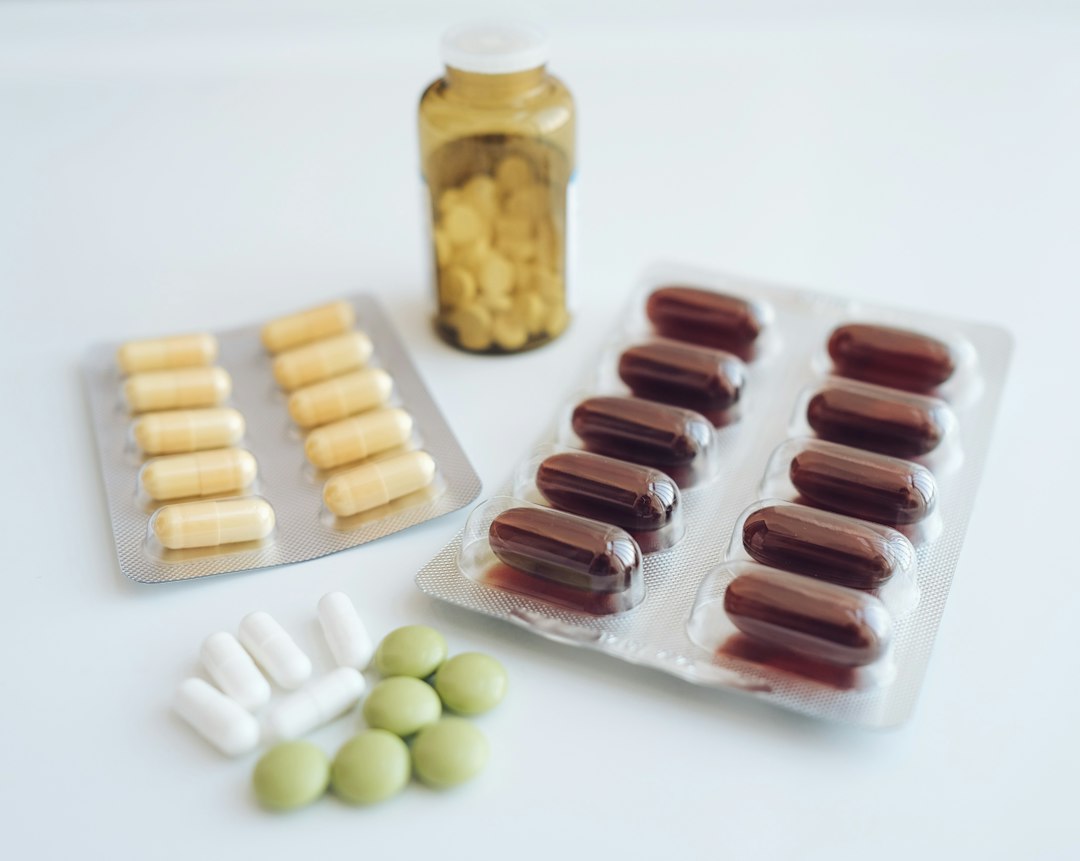
Look for “biotin,” “vitamin B7,” or “vitamin H” on products marketed for hair, skin, and nails, as well as some multivitamins and high-dose supplements. Include gummies and products bought online, even if you do not think of them as medicines. Pay attention to the units: 10,000 micrograms (mcg) equals 10 milligrams (mg). That is very different from the smaller amount in an ordinary diet.
In a prospective study of 13 adults who took 10 mg of biotin daily for eight days, some thyroid test results shifted on certain laboratory platforms. Measurements made by other methods did not show the same pattern. The study was small, but it illustrates why the name and dose of your supplement and the laboratory method are more useful than a blanket statement that “biotin always changes thyroid tests.”
Biotin is often taken when someone notices hair changes. Hair loss itself can have several causes and deserves context; our article on hair loss after weight loss explains one common pattern.
Your lab results should fit the full story
Keep a list of supplements, medicines, and symptoms to discuss with your healthcare professional. For help organizing questions about everyday health habits and test results, explore a WellNest Central consultation.
How long should you stop biotin before a test?
The answer varies. The ATA’s general thyroid-testing guide says to avoid biotin for two days before blood is drawn. An ATA discussion of the 10 mg study advises at least three to five days in general. These recommendations differ because interference depends on the dose, the time since the last tablet, and the test method.
Instead of choosing a waiting period on your own, tell the clinician or laboratory what you take, how much, and when you last took it. Ask what interval they want before your blood draw. If biotin was prescribed for a medical reason, do not stop it without advice from the team managing that treatment. Continue thyroid medicine as prescribed unless your clinician tells you otherwise.
What if you already have an unusual result?
- Check the bottle and your routine. Record the exact dose and when you last took biotin before the sample.
- Contact the clinician who ordered the test. Share your supplement list and ask whether the pattern matches your symptoms and previous results.
- Ask whether a repeat or a different assay is needed. The laboratory can advise whether its method is susceptible and how to collect a clearer result.
- Wait for a clinical decision before changing treatment. Do not start or alter thyroid medication based solely on a surprising number.
Bring earlier thyroid results if you have them. A trend and a clinical assessment are often more informative than one isolated blood test. If you have significant symptoms, discuss them promptly even if you suspect a supplement contributed to the result; a true thyroid problem still needs assessment.
A simple checklist before your next blood draw
Put your supplement bottles beside your appointment reminder. Take a photo of each label, including the dose and ingredients, and tell the team about prescribed medicines too. Ask whether any supplements should be paused and exactly when to restart them. This small step can spare confusion when results are reviewed later.
For practical help preparing questions to take to your clinician, you can explore a WellNest Central consultation.
Selected references
- American Thyroid Association. Thyroid Function Tests.
- Ylli D, et al. Biotin Interference in Assays for Thyroid Hormones, Thyrotropin and Thyroglobulin. Thyroid, 2021.
- American Thyroid Association. Biotin use can interfere with the management of thyroid diseases.
Medical disclaimer: This article provides general education and does not replace individualized medical advice or the interpretation of your own laboratory results.