
Pumpkin seeds and an almond.
Low Magnesium
A low magnesium result deserves more than choosing a supplement. Learn how clinicians consider symptoms, other blood results, medicines, and ongoing losses.
A low magnesium result deserves more than choosing a supplement. Learn how clinicians consider symptoms, other blood results, medicines, and ongoing losses.

Repeated calf pain during walking deserves a closer look. Learn how clinicians assess leg circulation and when an ankle-brachial index test may help.

Low folate and low vitamin B12 can produce similar blood-count changes. Understanding the difference helps you ask better questions about testing and treatment.

Breath and stool tests can identify an active H. pylori infection. Preparation, medication timing, and confirming treatment success are essential parts of the process.

Enough time in bed does not always mean an alert start to the day. Learn what sleep inertia feels like and when morning grogginess deserves closer attention.

A normal TSH result does not explain a thyroid lump. Learn how blood tests, ultrasound, and sometimes biopsy answer different questions about thyroid nodules.
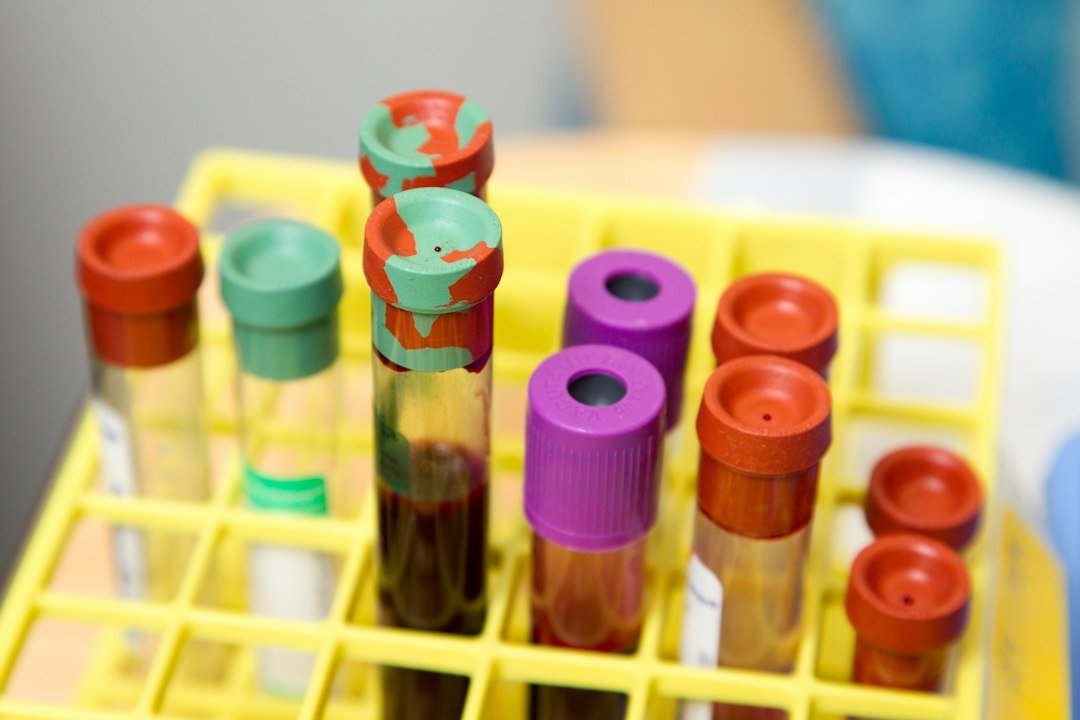
Bilirubin is not a liver enzyme. Learn why an isolated high result needs a different discussion from raised ALT or AST.

A skipped-beat sensation is a symptom, not a diagnosis. Learn how to describe nighttime palpitations and what a useful assessment may include.
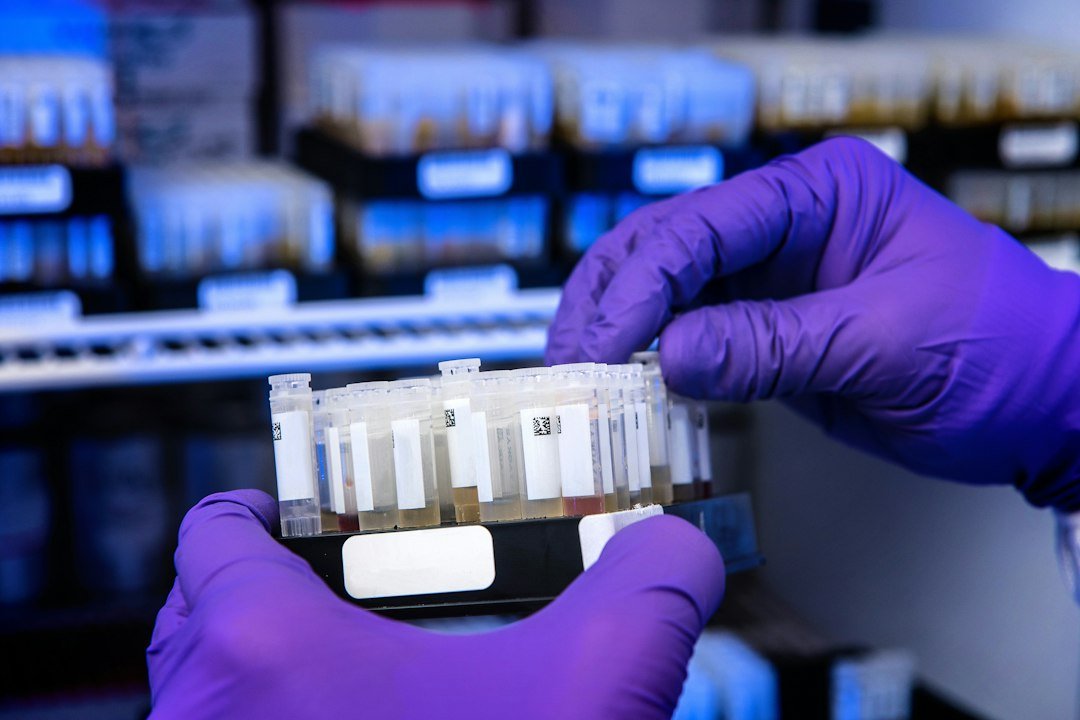
C-peptide helps assess insulin made by your own pancreas. Learn why a high or low result needs context and how it differs from A1C.

Passing urine does not always mean the bladder has emptied. Learn what urinary retention means and how clinicians investigate persistent symptoms.