
Laboratory microscope illustrating an investigation of a high MCV blood-test result.
A laboratory microscope positioned over a sample.

High MCV on a Blood Test: Causes and What to Check Next

A high MCV means red blood cells are larger on average. Learn about possible causes, B12 and folate questions, and which follow-up tests may help.

Continue ReadingHigh MCV on a Blood Test: Causes and What to Check Next
Laboratory test tubes illustrating an assessment of high alkaline phosphatase.
Glass test tubes arranged in a laboratory rack.

High Alkaline Phosphatase: Is It a Liver or Bone Problem?

High alkaline phosphatase can come from the liver or bones. Learn how other tests, symptoms, and previous results help guide the next steps.

Continue ReadingHigh Alkaline Phosphatase: Is It a Liver or Bone Problem?
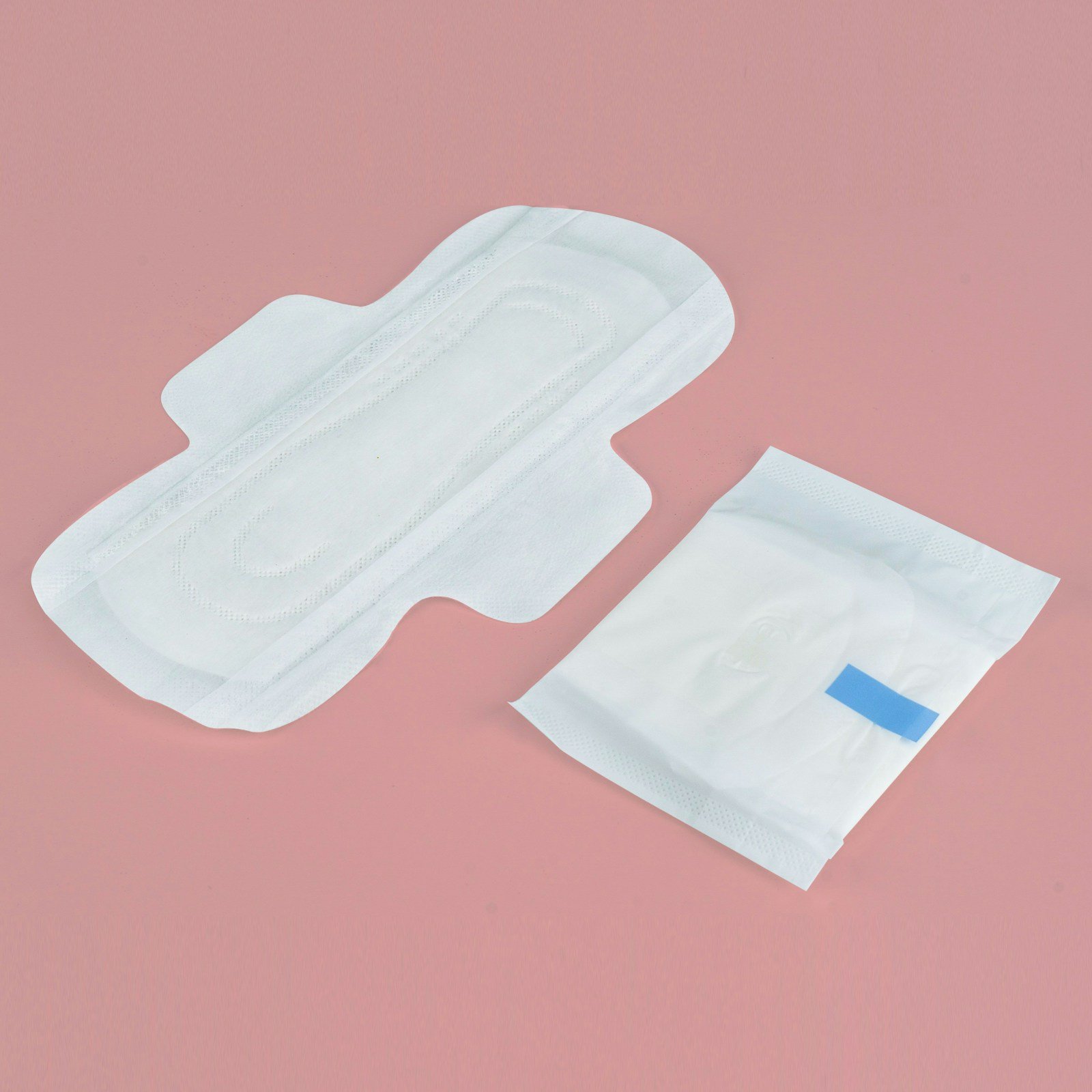
Menstrual pads on a pink background illustrating a guide to diabetes and your period.
An unwrapped menstrual pad and a wrapped pad on a pink surface.

Diabetes and Your Period: Why Blood Sugar Can Change

Explore diabetes and your period, including possible glucose changes, useful tracking tips, low blood sugar precautions, and questions for your care team.

Continue ReadingDiabetes and Your Period: Why Blood Sugar Can Change
Medicine blister packs illustrating a discussion of SGLT2 inhibitors for kidney disease.
Blister packs of tablets and capsules, shown for illustration.

SGLT2 Inhibitors for Kidney Disease: Can They Help Without Diabetes?

Can SGLT2 inhibitors help kidney disease without diabetes? Learn why they may be prescribed, what monitoring involves, and safety questions to ask.

Continue ReadingSGLT2 Inhibitors for Kidney Disease: Can They Help Without Diabetes?
Woodland walking path illustrating an active lifestyle while living with one kidney.
A winding path through a sunlit forest.

Living With One Kidney: Diet, Exercise, and Follow-Up Tests

Learn about living with one kidney, including follow-up tests, diet, exercise, medicine precautions, and questions to discuss with your care team.

Continue ReadingLiving With One Kidney: Diet, Exercise, and Follow-Up Tests
Hanging resistance bands illustrating a guide to movement and frozen shoulder.
Resistance bands arranged for exercise.

Frozen Shoulder and Diabetes: Why Pain and Stiffness Need Assessment

Explore the connection between frozen shoulder and diabetes, how stiffness is assessed, treatment options, and precautions with steroid injections.

Continue ReadingFrozen Shoulder and Diabetes: Why Pain and Stiffness Need Assessment
Illuminated emergency entrance sign illustrating urgent care for pancreatitis symptoms.
An illuminated emergency sign outside a medical facility.

Pancreatitis Symptoms: When Upper Abdominal Pain Needs Urgent Care

Learn which pancreatitis symptoms need urgent assessment, what tests and treatment may involve, and which questions to ask during recovery.

Continue ReadingPancreatitis Symptoms: When Upper Abdominal Pain Needs Urgent Care
Open planner illustrating appointment planning for FIT test vs. colonoscopy screening.
An open planner and colored pens for organizing appointments.

FIT Test vs. Colonoscopy: Understanding Colorectal Cancer Screening

Compare FIT test and colonoscopy screening, including timing, preparation, and why a positive FIT result needs follow-up with a colonoscopy.

Continue ReadingFIT Test vs. Colonoscopy: Understanding Colorectal Cancer Screening
Seeded bread and green beans illustrating food questions about diverticulosis vs. diverticulitis.
A meal with seeded bread and green beans.

Diverticulosis vs. Diverticulitis: What Is the Difference?

Understand diverticulosis vs. diverticulitis, the symptoms that need assessment, how treatment can differ, and what to know about nuts and seeds.

Continue ReadingDiverticulosis vs. Diverticulitis: What Is the Difference?