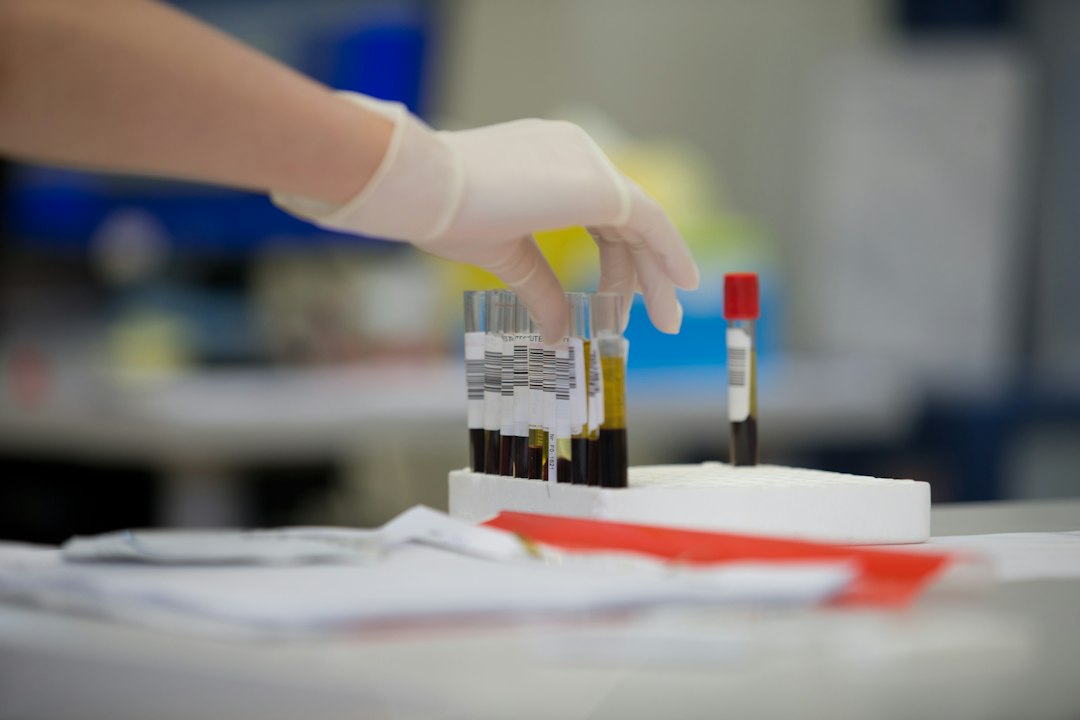
High Hemoglobin on a Blood Test: What Can Cause It?
A high hemoglobin result needs context. Learn how dehydration and other causes differ, what follow-up may involve, and when to seek urgent help.
Understand common causes of low potassium, symptoms that need prompt attention, and why treatment depends on your blood test and medical history.
Feeling well does not fully explain a low neutrophil result. The absolute count, its pattern over time, and your clinical history guide the next steps.
Low platelets do not always mean the same thing. The count, trend, symptoms, medicines, and sometimes a repeat sample help determine what happens next.
High potassium on a blood test needs timely interpretation. Learn about kidney function, medicines, sample errors, urgent symptoms and the questions to ask next.
Swollen ankles after a long day can be harmless, but a new swollen leg, pain or breathlessness changes the next step. Learn what to track and when to seek help.
Night sweats can come from a hot room, hormonal changes, medicines or low blood sugar. Learn which patterns to track and when to get them checked.
High ferritin on a blood test is not always iron overload. Learn why inflammation and liver health matter, what transferrin saturation adds, and which questions to ask.
High ALT on a blood test raises questions about liver health. Learn why one result is not a diagnosis, what other results matter and how to plan a sensible follow-up.
A high CRP result can raise questions about infection or inflammation. Learn what the test can and cannot show, how to read the units, and when to seek care.