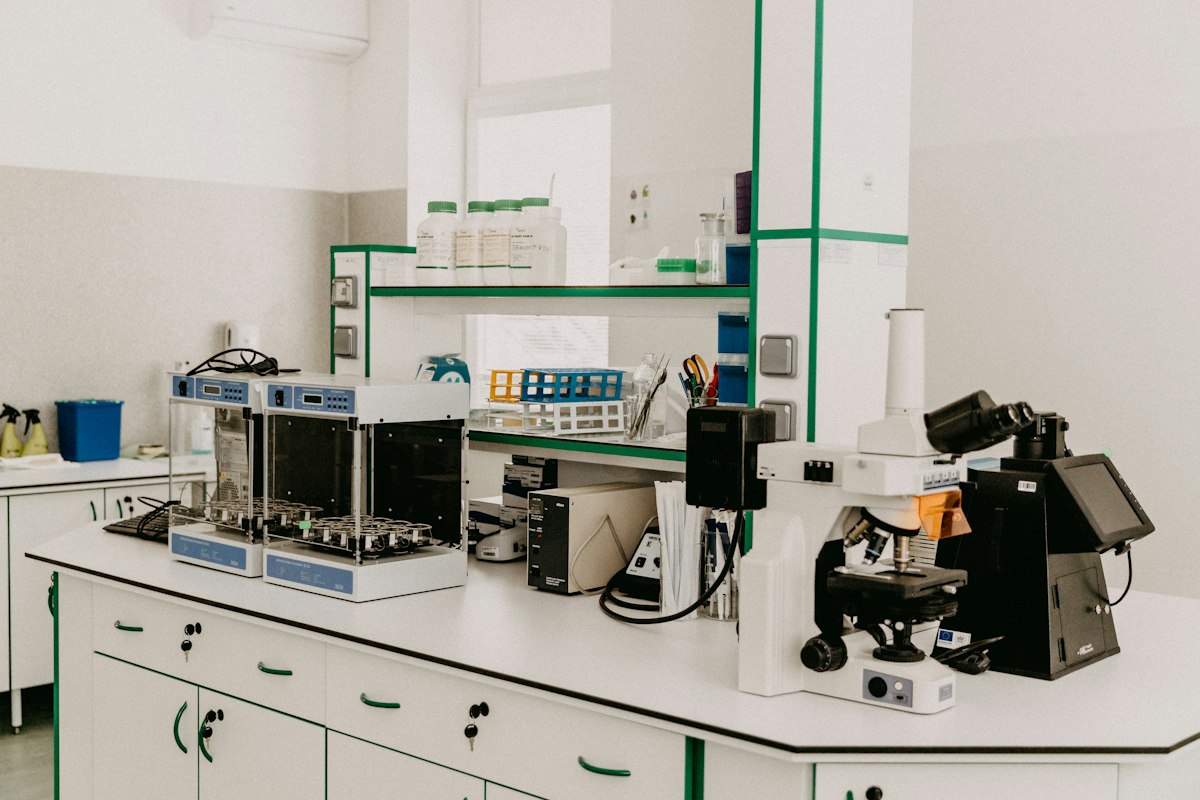
What Is a 24-Hour Urine Test, and How Do You Collect It?
A timed urine collection is only useful when the timing and samples are complete. These practical steps help you prepare and avoid common collection mistakes.
A timed urine collection is only useful when the timing and samples are complete. These practical steps help you prepare and avoid common collection mistakes.
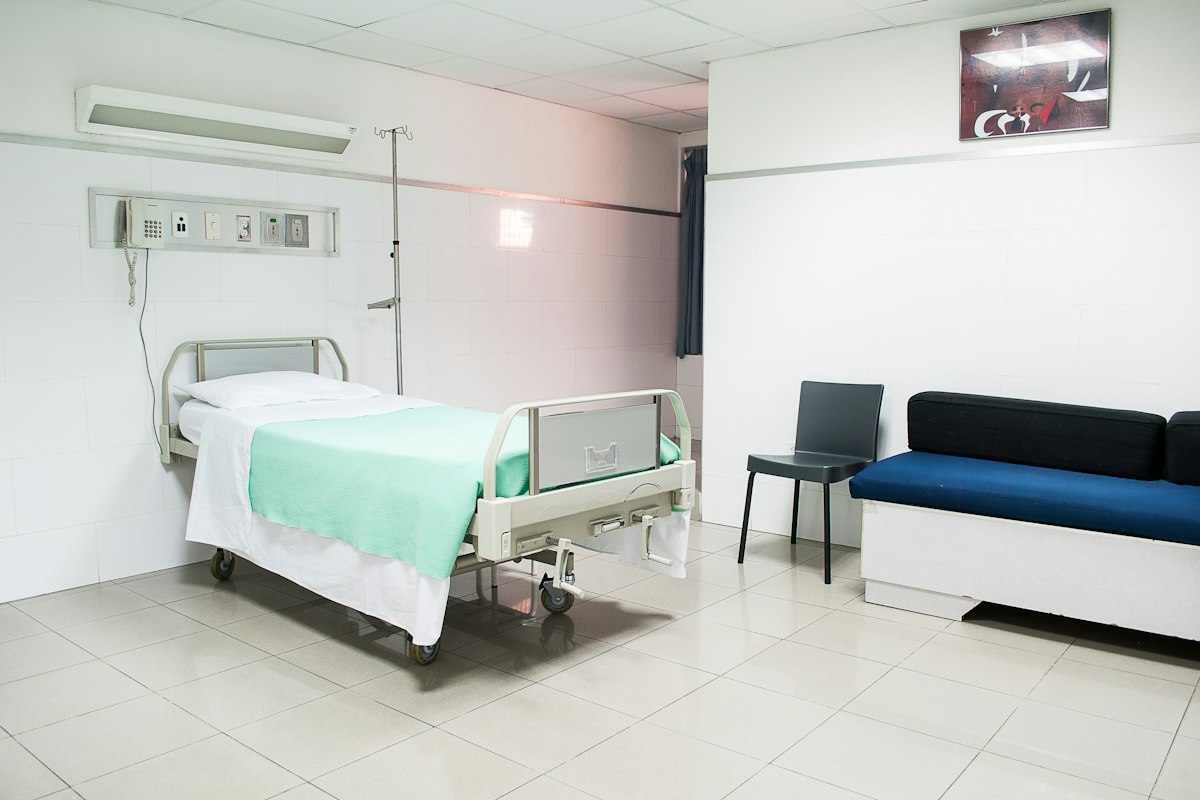
A kidney cyst on a scan does not automatically mean cancer or kidney failure. The appearance of the cyst helps determine whether anything needs to happen next.

A normal BMI does not guarantee the absence of liver fat. Understand the questions to ask after an unexpected scan result and why treatment should fit your needs.
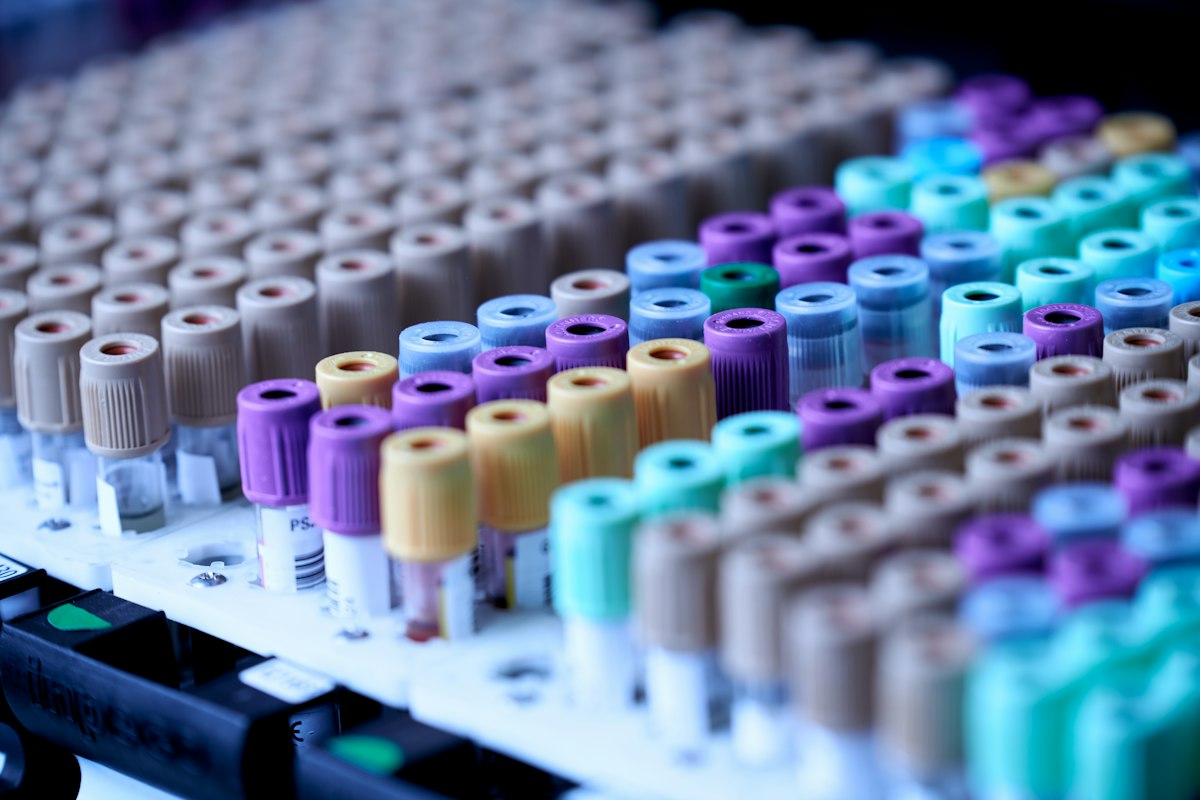
Menopause can be a useful time to review cardiovascular health. Understand changes in cholesterol without assuming they are inevitable or harmless.

Nighttime gasping deserves attention, but it is not a diagnosis by itself. Learn how sleep, lung, and heart-related symptoms guide medical assessment.
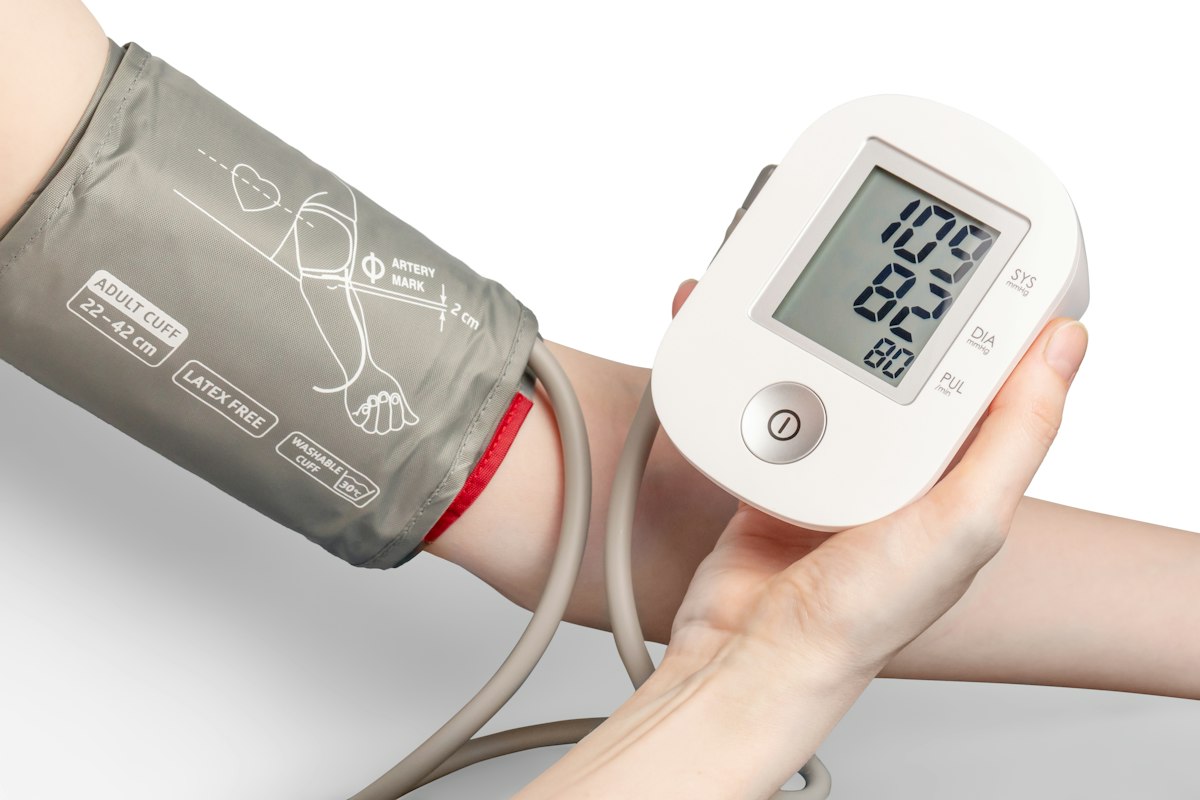
Winter can change both circulation and daily habits. Learn how to monitor blood pressure consistently and avoid dismissing a persistent rise as “just the cold.”
A meal-related fall in blood pressure can cause dizziness or weakness. Learn how it differs from ordinary sleepiness and what to discuss with your clinician.

Body size is only part of metabolic health. Learn why insulin resistance can occur at a healthy weight and why testing should follow your individual risk.

Shakiness, sweating, and a racing heart can have several causes. A careful record of symptoms and measurements helps clarify what is happening after meals.
A post-workout glucose rise does not automatically mean exercise is harming your health. Understand the pattern and make a safe plan with your diabetes team.