Quick answer: High fasting insulin with normal blood sugar can mean your body is making more insulin to keep glucose in range. Insulin resistance is one possible explanation, but a fasting insulin result alone cannot diagnose it or tell you whether you have prediabetes. The reason for the test, your fasting glucose, A1C, health history and laboratory range all matter.
A report may mark your insulin “high” even while your glucose looks reassuring. Does that mean diabetes is around the corner? It is a reason to ask better questions, not a forecast. Here is what the result can and cannot tell you.
Anthony Ofori | Medical Graduate in General Medicine | Founder, WellNest Central
Last updated: 1 October 2026
WellNest Central support
Make sense of your metabolic health
We can help you organise your results, daily habits and questions for a healthcare appointment.
What does a fasting insulin test measure?
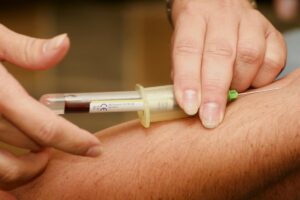
Insulin is a hormone made by the pancreas. It helps glucose move from the blood into cells and affects how the body stores and uses energy. A fasting insulin test measures insulin in a blood sample collected after a period without food. The MedlinePlus insulin test guide says preparation usually involves an 8- to 12-hour fast, but follow the instructions for your own test and discuss medicines or supplements with your clinician.
The number needs context. Reference ranges and measurement methods can differ among laboratories. A nonfasting sample, an incomplete fast or a test ordered for a particular medical reason may change how the result is interpreted. Never apply a single online “ideal insulin” number to everyone.
Why might insulin be high when glucose is normal?
When cells respond less effectively to insulin, the pancreas may release more of it so blood glucose stays within range. This is one possible pattern behind high insulin with normal or slightly raised glucose, as MedlinePlus explains. A normal glucose value can therefore coexist with a higher insulin value.
Still, that combination does not prove insulin resistance. Results vary with timing and individual circumstances, and a clinician must consider the reason the test was ordered, other results and your overall health. If you take insulin or glucose-lowering medicines, interpretation needs particular care. Do not change a medicine dose based on an isolated number.
Can fasting insulin diagnose insulin resistance or prediabetes?
No single high fasting insulin result diagnoses either condition. The NIDDK guide to insulin resistance and prediabetes notes that healthcare professionals may not test directly for insulin resistance in routine care. A laboratory guideline published in Diabetes Care also recommends against routine insulin or proinsulin testing for most people with diabetes or cardiovascular risk.
Prediabetes and diabetes are assessed with established glucose-based tests such as A1C, fasting plasma glucose or a two-hour oral glucose tolerance test when appropriate. Fasting insulin is not a substitute for them. Your clinician may still order insulin for a specific question; ask what decision the result is meant to inform.
What about a HOMA-IR score?
You may see online calculators that combine fasting insulin and fasting glucose into a number called HOMA-IR. It is a research and estimation tool, not a standalone diagnosis or a universal threshold for treatment. Differences in insulin assays and individual circumstances make an internet cutoff easy to overinterpret. If a report includes HOMA-IR, ask the ordering clinician how it fits your case.
Which results are more useful to review next?
Start with the test that answers the clinical question. For diabetes risk, discuss A1C and fasting glucose, and whether an oral glucose tolerance test would add information. Also review blood pressure, lipids, family history, medicines, sleep and activity where relevant. If two glucose tests seem to disagree, our article on normal fasting glucose with a high A1C explains why the pattern deserves a closer look.
One reading after a meal also does not describe your whole metabolic health. Our guide to blood sugar rises after meals covers practical habits without treating every rise as disease.
What can you do while you wait for a review?
Keep the focus on sustainable habits rather than trying to “fix” one lab number. Regular movement, a balanced eating pattern with fibre-rich foods, enough sleep and an approach to weight management that fits your circumstances can support metabolic health. The NIDDK describes lifestyle changes as a way to lower type 2 diabetes risk for people with prediabetes. You do not need a fasting insulin test to begin these habits.
Avoid starting supplements marketed as an “insulin reset” or imposing a highly restrictive diet because of one result. If you are pregnant, have diabetes, use glucose-lowering medication or have a history of low blood sugar, discuss changes with your care team first.
Questions to bring to your clinician
- Why was fasting insulin ordered, and was I properly fasted for this laboratory’s protocol?
- How does the result compare with my fasting glucose, A1C and previous tests?
- Do my personal risk factors call for another glucose test or a repeat assessment?
- Which habits or treatment decisions would actually change based on this result?
- When should I follow up?
The takeaway
High fasting insulin with normal blood sugar can be a clue that more insulin is needed to maintain glucose, but the result does not confirm insulin resistance, prediabetes or future diabetes by itself. Look at the full picture and ask what the test was intended to answer. To organise your health goals and prepare informed questions, connect with WellNest Central.
This article provides general health education and does not replace individual medical advice, diagnosis, treatment or emergency care.