Anthony Ofori | Medical Graduate in General Medicine | Founder, WellNest Central
Last updated: October 22, 2026
Medical disclaimer: This article provides general education and does not replace individualized advice from a licensed healthcare professional.
Is sourdough bread better for blood sugar? Learn what studies suggest, why flour type and portion size matter, and practical ways to choose bread.
Wondering whether sourdough fits your blood-sugar goals?
Explore personalized, medically informed consultation on glucose health, food choices, and practical nutrition strategies.
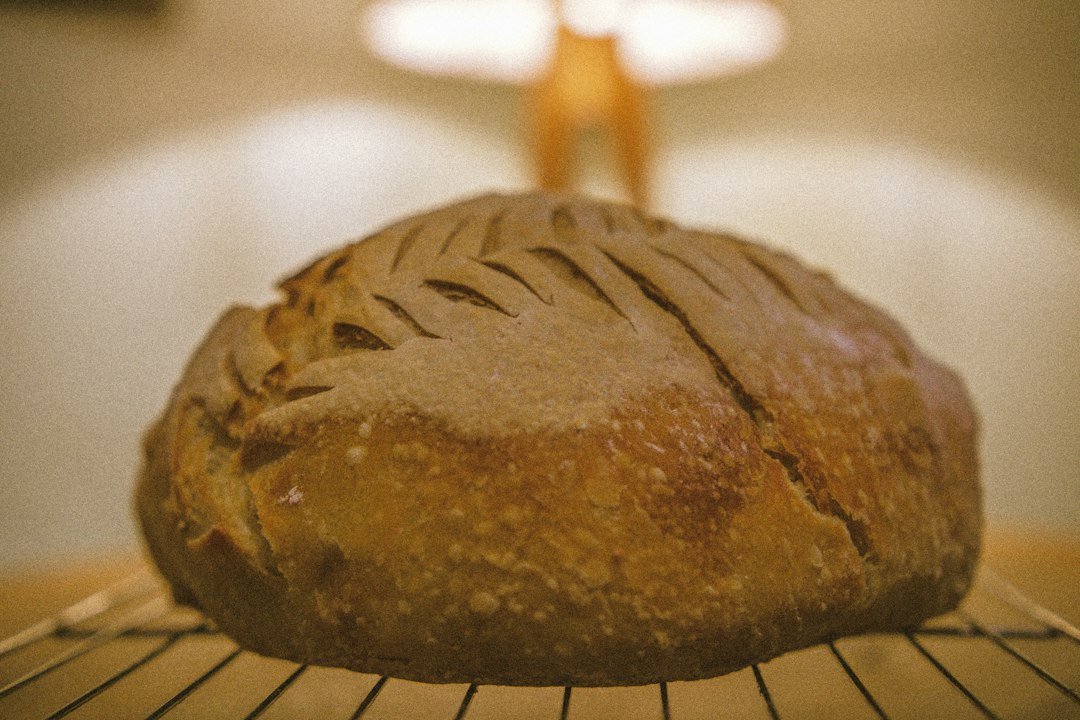
Featured image: Sliced sourdough bread illustrates how bread type and serving size relate to carbohydrate intake.
Does sourdough raise blood sugar?
Yes. Sourdough bread contains carbohydrates, and those carbohydrates can raise blood glucose. Fermentation may change how a particular loaf is digested, but it does not remove the carbohydrates. A sour flavor or a bakery label alone cannot tell you how your glucose will respond.
Responses differ with the flour blend, slice size, processing, toppings, medications, and individual glucose regulation.
What research actually shows
Some small studies suggest certain sourdough breads produce a smaller after-meal glucose increase than comparison breads (see the systematic review of sourdough and blood glucose). A systematic review of 18 studies found possible benefits, especially for whole-wheat sourdough, but rated the certainty of evidence low to very low. Results are not consistent across every bread or population.
That means it would be misleading to describe any white sourdough loaf as universally better for diabetes.
Whole-grain versus white sourdough
When shopping, start with the ingredient list. Bread made primarily from whole-grain flour generally offers more fiber than refined white-flour bread. Fiber can help slow digestion and makes a balanced eating pattern easier to maintain. “Sourdough” describes a fermentation process, not necessarily whole-grain content.
What about serving size?
Use the Nutrition Facts label to compare total carbohydrate and fiber per slice. Two large bakery slices may contain much more carbohydrate than two thin packaged slices. Pair bread with protein, vegetables, or unsaturated fats as part of a balanced meal instead of assuming one bread type prevents glucose spikes.
How to find what works for you
If you monitor blood glucose, compare similar carbohydrate portions at similar meals rather than relying on a one-time reading. For another practical perspective, see our article on walking after meals and blood sugar. People using glucose-lowering medication should follow their personalized care plan. Discuss persistent readings outside your targets with your diabetes care team.
Bottom line: Whole-grain sourdough can be a reasonable choice, but total carbohydrates, fiber, and your overall meal matter more than the sourdough label alone.
How fermentation changes bread
Sourdough is made with a living starter containing yeasts and lactic acid bacteria. During fermentation, microorganisms consume some sugars, produce organic acids, and change the dough’s structure. These changes can affect flavor, texture, and in some recipes the way starch is digested. However, the baking process, flour type, fermentation duration, and final recipe all influence the result. There is no single blood-sugar effect shared by every sourdough loaf.
For example, a large slice of white sourdough from a bakery may supply more digestible carbohydrate than a smaller slice of ordinary whole-grain bread. Comparing foods by appearance or taste alone misses that distinction.
How to compare bread labels at the grocery store
Look at the serving size first. Then compare total carbohydrates and dietary fiber per serving, checking whether the serving size reflects the amount you actually eat. The ingredient list offers another clue: a bread labeled whole grain should include whole-grain ingredients prominently. “Multigrain” means more than one grain but does not necessarily mean whole grain.
For an everyday sandwich, consider whether one or two slices fit your meal plan rather than judging the bread as good or bad. Adding eggs, hummus, tuna, chicken, or another protein food and plenty of vegetables may help create a more satisfying meal.
Is sourdough suitable for people with prediabetes or type 2 diabetes?
It can be. People with prediabetes or diabetes do not necessarily have to eliminate bread, but carbohydrate quantity and personal glucose targets matter. Choosing more fiber-rich foods, watching portions, and considering what else is eaten at the same meal can be practical starting points.
If you use insulin or medications that can cause low blood sugar, avoid making major carbohydrate changes without understanding how to adjust your management plan. A registered dietitian or diabetes care professional can help tailor choices to your needs.
Common questions about sourdough and glucose
Is sourdough low carb?
Usually not. Most conventional sourdough is made from wheat or another carbohydrate-rich grain. Fermentation does not make it a low-carbohydrate food.
Does toasted sourdough affect glucose differently?
Toasting alters texture and moisture. Small experimental findings about processing do not establish that toasting reliably prevents glucose increases in real-world meals.
Can someone with celiac disease eat regular wheat sourdough?
No. Ordinary wheat sourdough still contains gluten and is not safe for someone with celiac disease unless it is specifically made and verified as gluten-free.
Want help making everyday food choices easier to understand? Explore One-on-One Consultation Options for educational support alongside your medical care.