Read more about the article Glucose in Urine but Normal Blood Sugar: What Could Explain It?
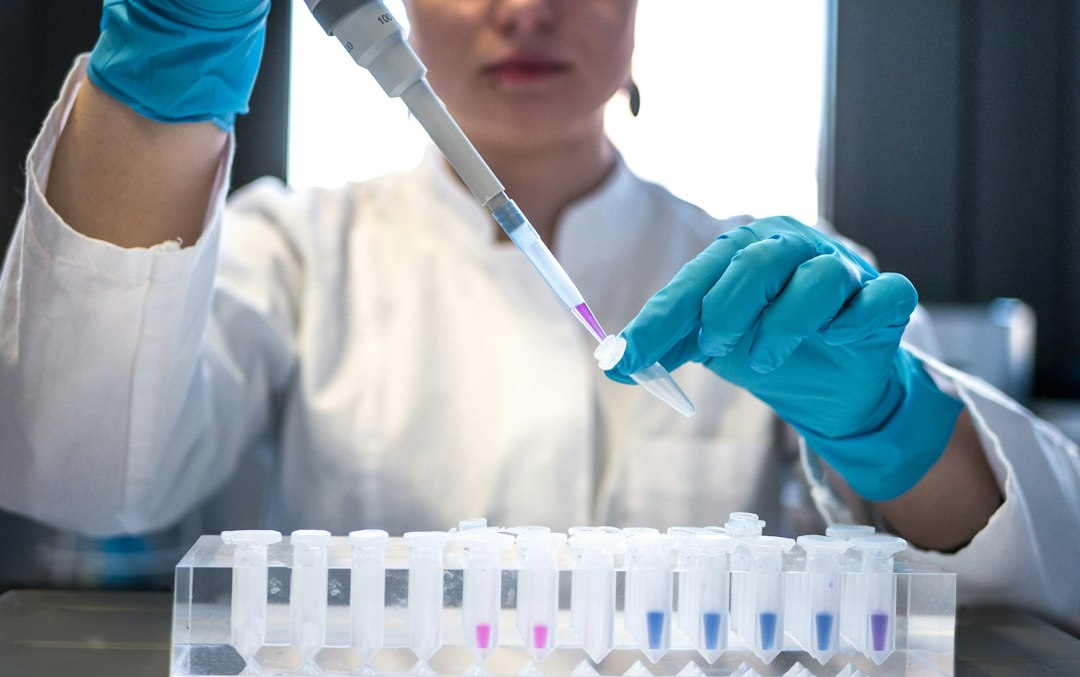
A patient and clinician discuss test results and next steps.

Glucose in Urine but Normal Blood Sugar: What Could Explain It?

Glucose in urine but normal blood sugar? Understand how sample timing, medicines and kidney glucose handling can affect results, plus what to ask next.

Continue ReadingGlucose in Urine but Normal Blood Sugar: What Could Explain It?
Read more about the article High Fasting Glucose but Normal A1C: Which Result Matters?
A fasting glucose result is interpreted with A1C, test conditions and health history.

High Fasting Glucose but Normal A1C: Which Result Matters?

High fasting glucose can appear with a normal A1C because the tests measure different time windows. Learn which result to confirm and what to discuss next.

Continue ReadingHigh Fasting Glucose but Normal A1C: Which Result Matters?
Read more about the article High Fasting Insulin but Normal Blood Sugar: What Does It Mean?
A laboratory blood test is one clue among several when assessing metabolic health.

High Fasting Insulin but Normal Blood Sugar: What Does It Mean?

High fasting insulin with normal glucose can be a clue, but it is not a diagnosis. Learn how to interpret the test and which results to discuss next.

Continue ReadingHigh Fasting Insulin but Normal Blood Sugar: What Does It Mean?
Read more about the article Blood Sugar When Sick: Why It Can Rise Even If You Eat Less
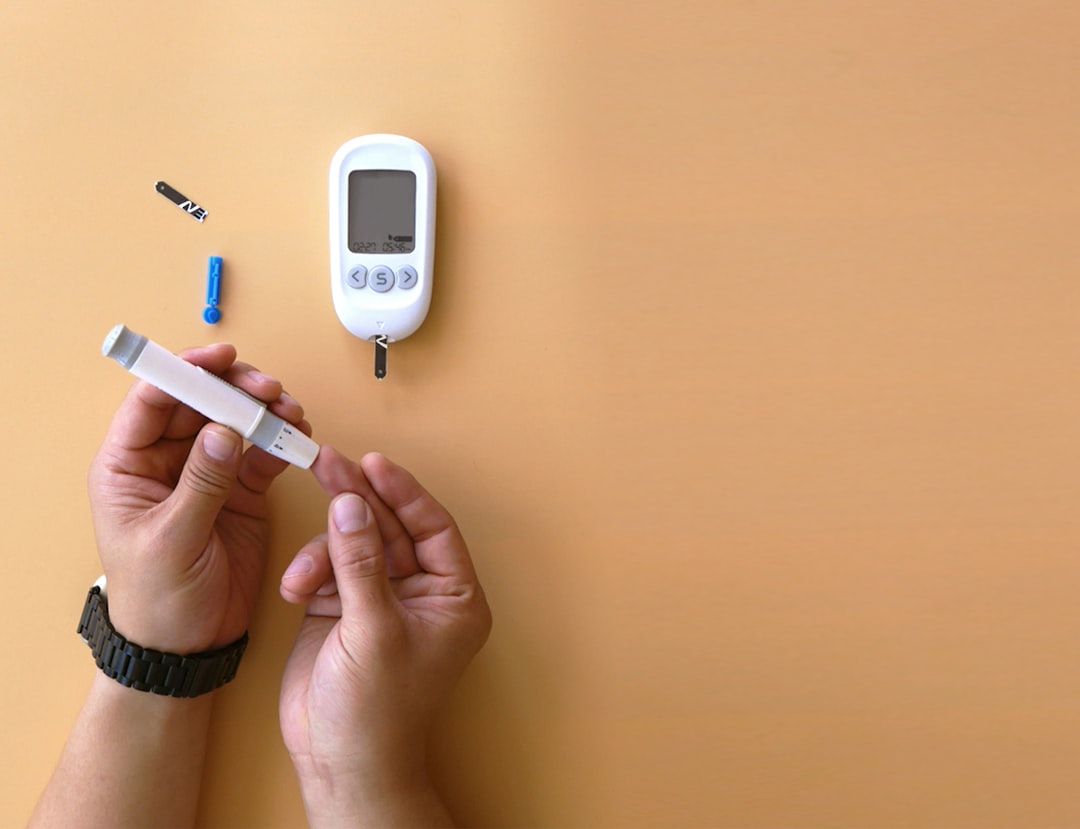
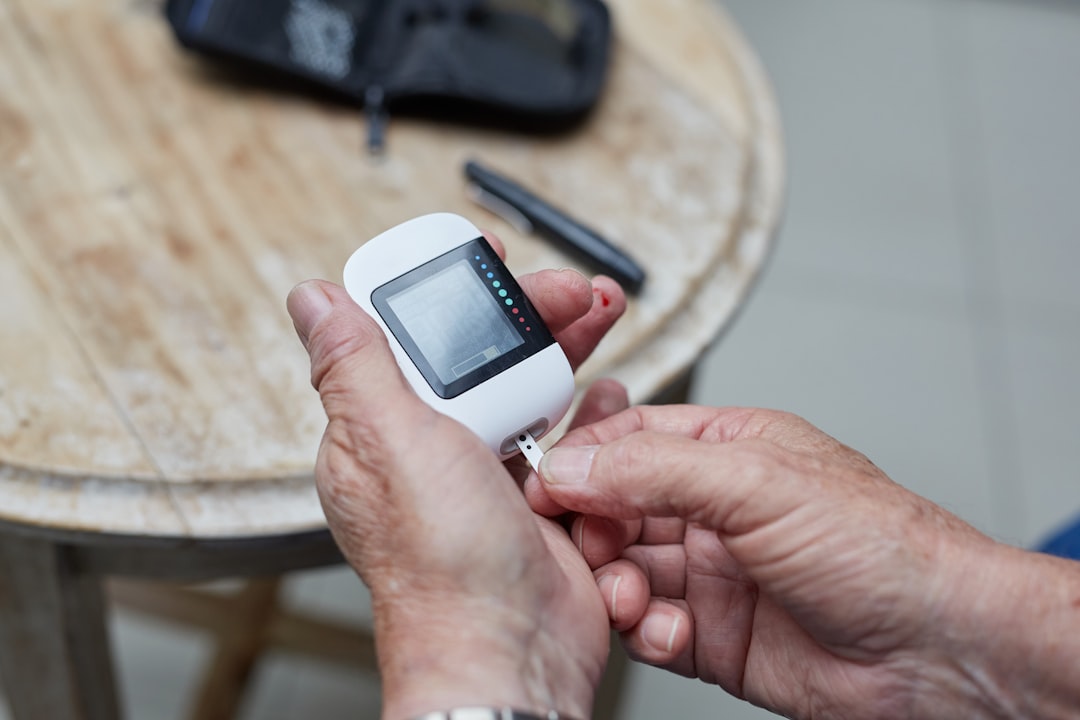
A glucose meter can help you follow your sick day monitoring plan.

Blood Sugar When Sick: Why It Can Rise Even If You Eat Less

Blood sugar when sick may rise even if your appetite disappears. Here is how illness affects glucose and what to discuss in a personal sick day plan.

Continue ReadingBlood Sugar When Sick: Why It Can Rise Even If You Eat Less
Read more about the article When Should You Check Blood Sugar After Eating: 1 Hour or 2 Hours?
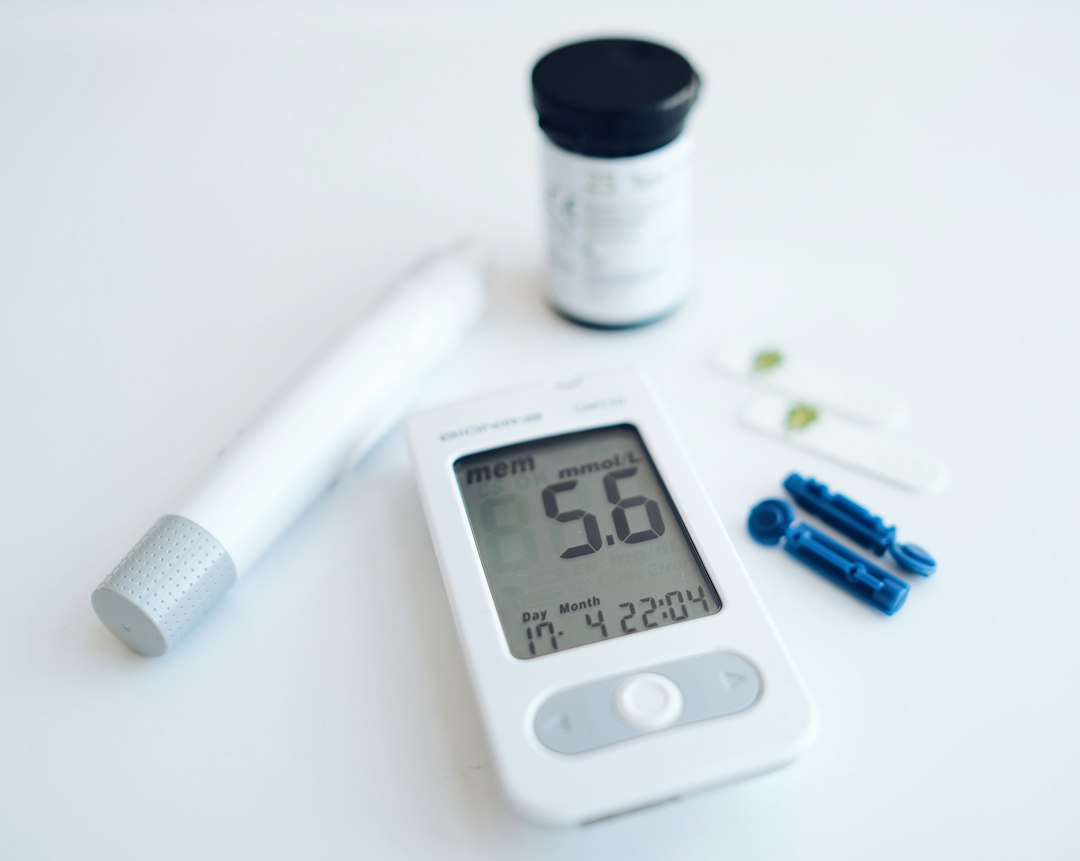
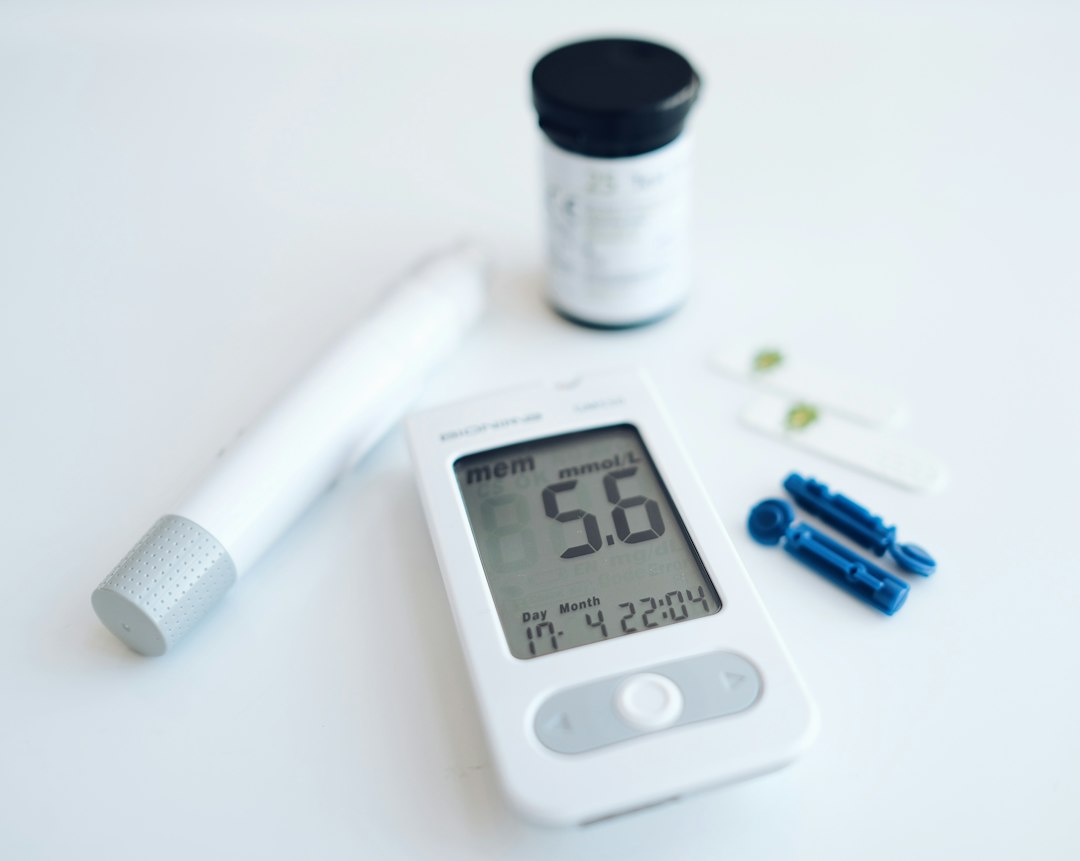
Blood glucose meter used for home monitoring.

When Should You Check Blood Sugar After Eating: 1 Hour or 2 Hours?

When should you check blood sugar after eating? Learn whether to measure at one or two hours, when the clock starts, and how to interpret your result.

Continue ReadingWhen Should You Check Blood Sugar After Eating: 1 Hour or 2 Hours?
Read more about the article Iron Deficiency and A1C: Can Anemia Make the Result Look High?
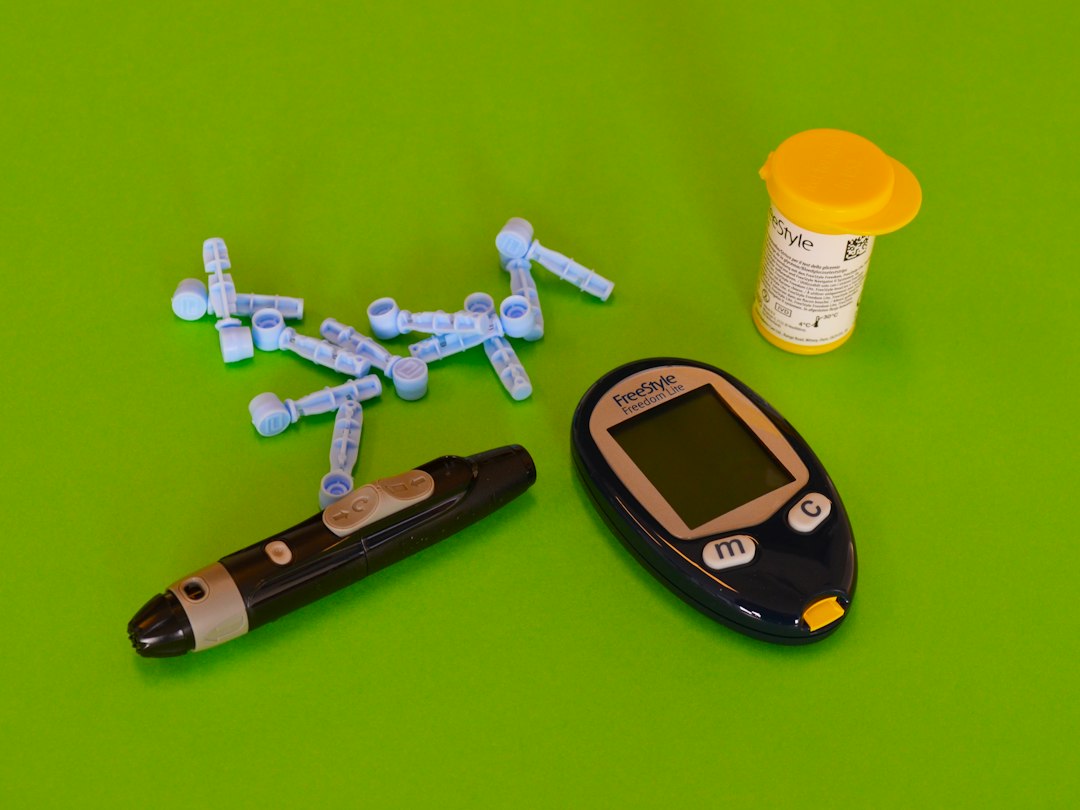
Blood glucose testing supplies.

Iron Deficiency and A1C: Can Anemia Make the Result Look High?

Iron deficiency and A1C can complicate a blood sugar result. Learn when anemia may make A1C look high, which iron and glucose tests can help, and what to ask your clinician.

Continue ReadingIron Deficiency and A1C: Can Anemia Make the Result Look High?
Read more about the article Normal Fasting Glucose but High A1C: How Is That Possible?
Blood-glucose testing

Normal Fasting Glucose but High A1C: How Is That Possible?

A normal fasting-glucose result and an elevated A1C can appear contradictory. Learn what each test measures, why the results may disagree and what to discuss with your healthcare professional.

Continue ReadingNormal Fasting Glucose but High A1C: How Is That Possible?
Read more about the article Fat Around the Kidneys: A Hidden Metabolic Health Warning?
Fat around the kidneys and metabolic health in an adult

Fat Around the Kidneys: A Hidden Metabolic Health Warning?

Emerging research is examining whether fat around the kidneys may provide another clue about metabolic and kidney health. Here is what we know—and what to check.

Continue ReadingFat Around the Kidneys: A Hidden Metabolic Health Warning?