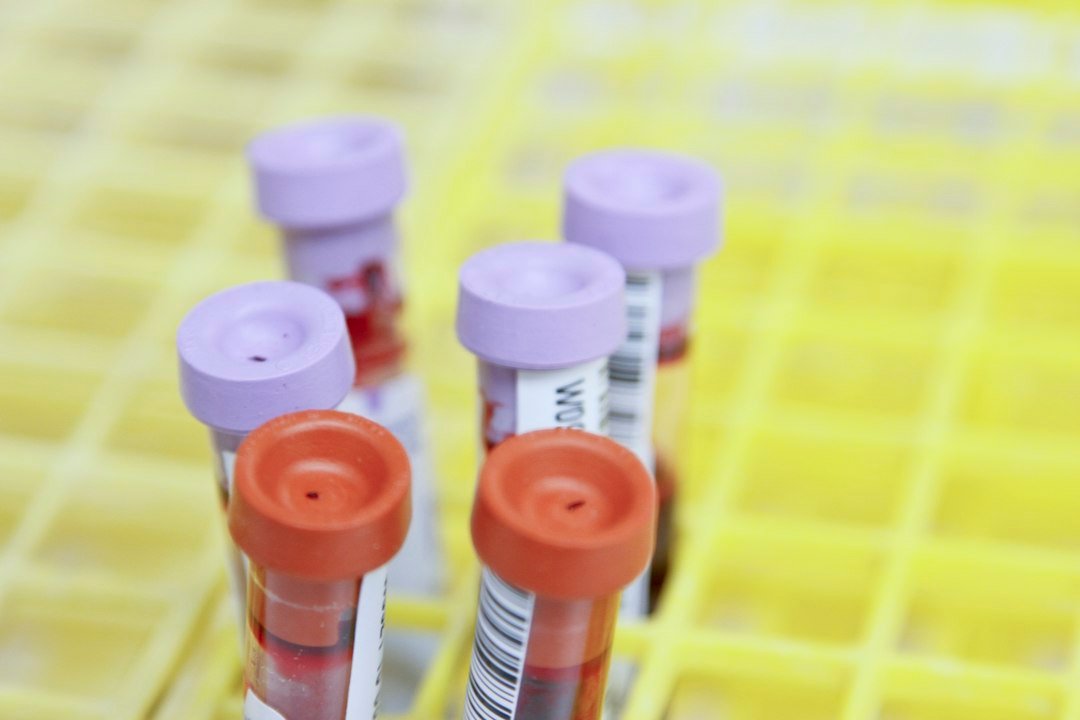
CO2 blood test bicarbonate lab
Blood sample tubes illustrate the total CO₂ and bicarbonate measurements on a metabolic panel.

Low CO₂ on a Blood Test: What Bicarbonate Levels May Mean

A low total CO₂ level on a metabolic panel usually reflects a low bicarbonate level. It may relate to acid-base balance, kidney or digestive issues, or the body's response to breathing changes.
Continue ReadingLow CO₂ on a Blood Test: What Bicarbonate Levels May Mean
high calcium blood test laboratory assessment
A medical laboratory setting illustrating high calcium blood tests.

High Calcium in a Blood Test: Causes, Symptoms, and Follow-Up

What does a high calcium blood test mean? Learn about hypercalcemia, PTH, albumin, supplements, symptoms and appropriate follow-up.

Continue ReadingHigh Calcium in a Blood Test: Causes, Symptoms, and Follow-Up
electrolyte powder vs water
A water bottle illustrating hydration choices and electrolyte drinks.

Electrolyte Powder vs. Plain Water: When Do You Need Electrolytes?

Electrolyte powders can be convenient during prolonged exercise or substantial sweat loss, but most people do not need them for routine daily hydratio

Continue ReadingElectrolyte Powder vs. Plain Water: When Do You Need Electrolytes?
low sodium blood test results
A laboratory scene illustrating sodium blood testing.

Low Sodium on a Blood Test: Causes, Symptoms, and When It Is Serious

Low sodium in the blood, called hyponatremia, means the measured sodium concentration is below the laboratory's reference range. It often reflects a c

Continue ReadingLow Sodium on a Blood Test: Causes, Symptoms, and When It Is Serious
magnesium glycinate for anxiety supplement capsules
Supplement capsules illustrating questions about magnesium glycinate for anxiety and sleep.

Magnesium Glycinate for Anxiety and Sleep: Benefits, Dosage, and Safety

Magnesium glycinate is frequently marketed as a gentle option for relaxation, anxiety, and sleep. Magnesium is an essential mineral, but evidence that this

Continue ReadingMagnesium Glycinate for Anxiety and Sleep: Benefits, Dosage, and Safety
Low sodium blood test: a clinician discusses laboratory results with a patient
Reviewing the full blood report helps put a low sodium result in context.

Low Sodium on a Blood Test: Does Eating More Salt Help?

Low sodium on a blood test is often about water balance, not simply dietary salt. Learn common causes, urgent symptoms and what to ask before changing fluids or medicine.

Continue ReadingLow Sodium on a Blood Test: Does Eating More Salt Help?
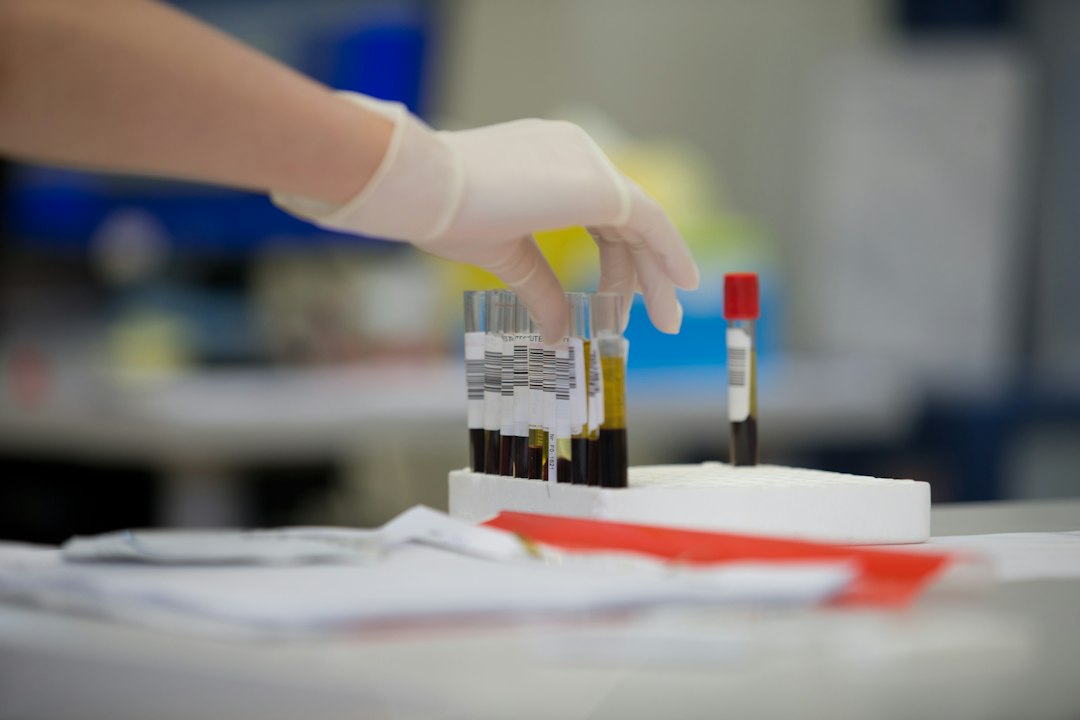
High potassium blood test: gloved hand handling blood sample tubes in a laboratory
A potassium result needs interpretation alongside the sample quality, medical history and other tests.

High Potassium on a Blood Test: What Should You Check Next?

High potassium on a blood test needs timely interpretation. Learn about kidney function, medicines, sample errors, urgent symptoms and the questions to ask next.

Continue ReadingHigh Potassium on a Blood Test: What Should You Check Next?
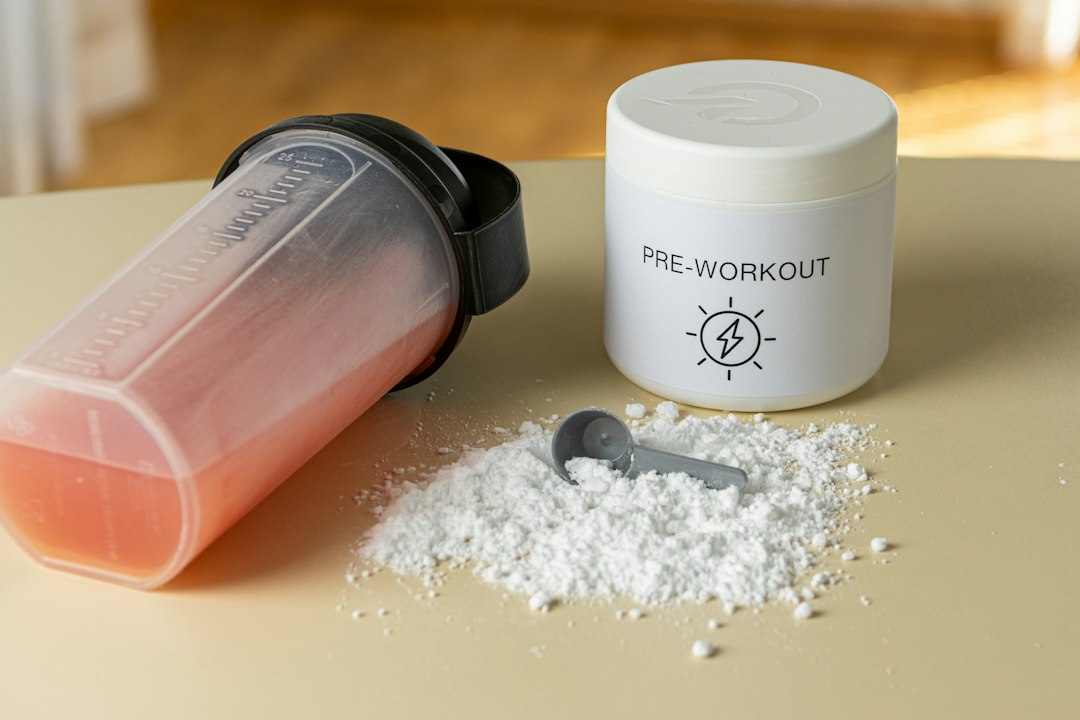
Electrolyte powder beside a prepared hydration drink and water bottle
Electrolyte powder and prepared hydration drink.

Do You Need Electrolyte Powder Every Day? Benefits, Risks and Who Actually Needs It

Do you need electrolyte powder every day? Learn when it helps, when water is enough, what to check on labels and who should seek medical advice.

Continue ReadingDo You Need Electrolyte Powder Every Day? Benefits, Risks and Who Actually Needs It