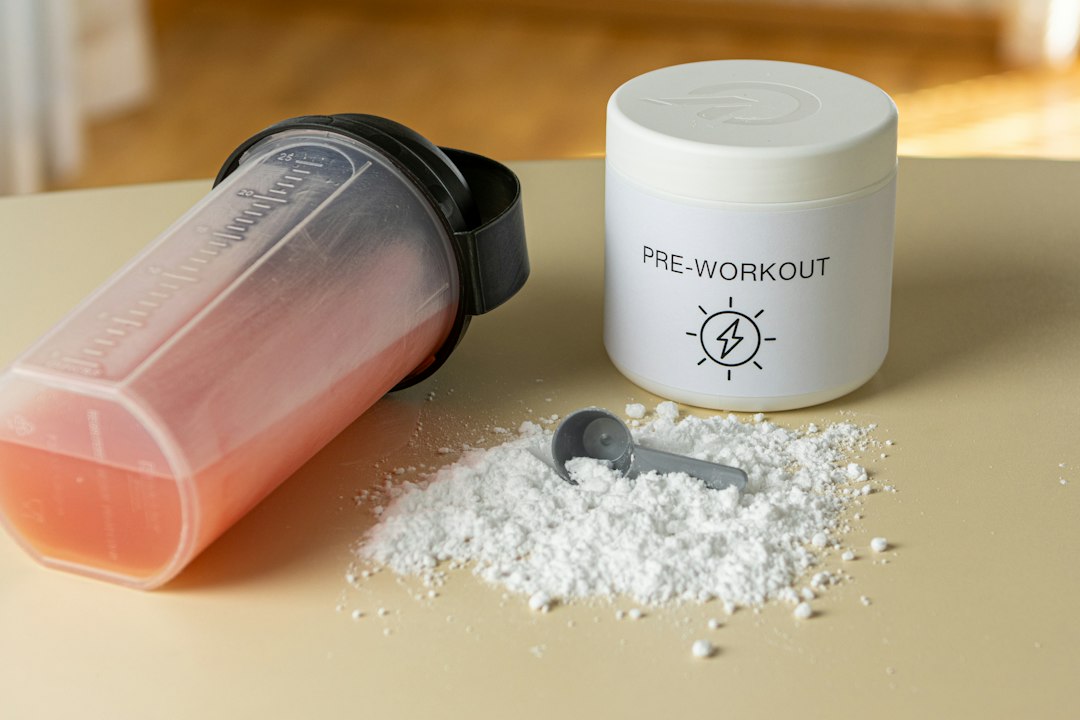
Do you need electrolyte powder every day? For most healthy people going about a normal day, the answer is usually no. Water, regular meals and a varied diet generally replace the fluid and minerals the body needs. Electrolyte powders can be useful, however, when losses are higher—for example during prolonged heavy sweating, very hot conditions, or vomiting and diarrhoea.
The important question is not whether electrolytes are “good” or “bad.” It is whether the product, dose and situation match your actual needs. This guide explains what electrolyte powders do, when they may help, possible risks, and how to choose one without turning hydration into an unnecessarily expensive daily ritual.
PERSONALISED WELLNESS SUPPORT
Unsure What Your Body Actually Needs?
A one-to-one consultation can help you review your hydration, nutrition, activity, medicines and health goals—and build a realistic plan around your needs.
What Are Electrolytes?
Electrolytes are minerals that carry an electrical charge when dissolved in body fluids. The main ones include sodium, potassium, chloride, magnesium, calcium, phosphate and bicarbonate. They help regulate fluid balance, nerve signals, muscle contraction, heart rhythm and acid–base balance.
You continuously gain electrolytes from food and drinks and lose some through urine, stool and sweat. Your kidneys, hormones and thirst mechanisms usually keep this system within a narrow range. That is why more electrolytes do not automatically mean better hydration.
Most powders contain sodium and potassium, while some also include magnesium, calcium, sugar, flavourings, vitamins or caffeine. Their formulas vary widely. A sports-hydration mix, a low-calorie flavoured tablet and a medically formulated oral rehydration solution are not interchangeable products.
Do Most People Need Electrolyte Powder Every Day?
Most healthy adults do not need electrolyte powder every day if they eat normally, drink according to thirst and are not losing large amounts of fluid. Water remains an effective everyday drink. Meals and snacks provide electrolytes through foods such as fruit, vegetables, beans, dairy foods, nuts, seeds, fish, meat and whole grains.
Daily use may add cost without providing a noticeable advantage. Depending on the formula, it can also add meaningful amounts of sodium, sugar, sweeteners or other ingredients. The US Food and Drug Administration lists a Daily Value of less than 2,300 mg of sodium for adults. One serving may be reasonable after substantial sweat loss, but the same serving can be unnecessary for someone sitting at a desk and already eating a sodium-rich diet.
Your urine does not need to be completely clear all day. Pale yellow urine commonly suggests adequate hydration, while dark, strong-smelling urine and urinating less often may point towards dehydration. Some foods, medicines and supplements can also change urine colour, so use this as a practical clue rather than a diagnosis.
When Electrolyte Powder May Be Useful
1. Prolonged or intense exercise
Electrolytes may help when exercise lasts long enough or is intense enough to cause substantial sweating—especially in heat or humidity. The need depends on duration, sweat rate, climate, clothing, body size and how salty your sweat is. A gentle walk or short gym session usually does not require a specialised drink, although individual needs vary.
2. Hot weather or physically demanding work
People exercising or working outdoors in hot conditions can lose considerable fluid and sodium through sweat. The US Centers for Disease Control and Prevention advises drinking fluids, taking cooling breaks and watching for symptoms such as heavy sweating, dizziness, headache, weakness and nausea. Water should still be readily available; an electrolyte drink can be considered when sweating is prolonged or heavy.
3. Vomiting or diarrhoea
Gastrointestinal illness can cause losses of water, sodium, potassium and other substances. In this situation, a properly formulated oral rehydration solution (ORS) may be appropriate. ORS uses a specific balance of glucose and salts to support fluid absorption. It is not the same as an ordinary wellness electrolyte powder or sports drink.
The NHS recommends asking a pharmacist about oral rehydration solutions when vomiting or diarrhoea causes significant fluid loss. Seek medical advice for severe symptoms, high-risk individuals or dehydration that is not improving.
4. A clinician has recommended it
Some people have medical conditions, medicines or treatment plans that change fluid and electrolyte needs. In those cases, use should be individualised. A product that is suitable for a healthy athlete may be unsuitable for someone with kidney disease, heart failure, uncontrolled high blood pressure or a fluid restriction.
5. You struggle to drink enough plain water
A lightly flavoured product may encourage some people to drink more. That benefit comes from improving fluid intake, not necessarily from needing extra minerals. First consider simple options such as chilled water, sparkling water, fruit-infused water, herbal tea or water-rich foods.
A PRACTICAL PLAN, NOT ANOTHER TREND
Make Hydration Fit Your Health and Routine
Get personalised guidance on hydration, food choices, supplements and daily habits—based on your goals and health context.
When Water and Food Are Usually Enough
You will often be well served by water and ordinary meals when you are:
- doing light or moderate activity for a relatively short period;
- working indoors in a comfortable environment;
- eating regular, balanced meals;
- not experiencing vomiting, diarrhoea, fever or heavy sweating; and
- not following a clinician-directed hydration plan.
A practical routine might include water with meals, a bottle within reach during the day, extra fluid around exercise, and foods that naturally contain water and minerals. If you want a deeper look at hydration and laboratory results, read Can Dehydration Cause High Creatinine?
Possible Risks of Taking Electrolyte Powder Every Day
Unnecessary sodium
Sodium is essential, but more is not always better. Some electrolyte products contain several hundred milligrams per serving, and multiple servings can add up alongside packaged foods, restaurant meals and snacks. This matters particularly for people managing high blood pressure, heart failure, kidney disease or swelling.
Too much potassium
Healthy kidneys usually remove excess potassium, but certain health conditions and medicines can make high blood potassium more likely. The NIH Office of Dietary Supplements advises caution for people with chronic kidney disease and those taking medicines such as ACE inhibitors, angiotensin receptor blockers or potassium-sparing diuretics. Do not assume a “high-potassium” formula is safer or more effective.
Added sugar or digestive symptoms
Some sugar can be useful in endurance exercise or a correctly formulated oral rehydration solution. For routine sipping, however, a high-sugar drink may add calories you did not intend to consume. Sugar alcohols, large magnesium doses and certain sweeteners can also cause bloating or loose stools in some people.
Caffeine and stacked ingredients
A product marketed for “energy and hydration” may include caffeine, stimulants, vitamins or herbal extracts. Combining it with coffee, pre-workout powders or other supplements can unintentionally increase your total intake. If the ingredient list is long, review the complete formula rather than focusing only on the word “electrolytes.”
Overhydration
Drinking excessive amounts of fluid in a short period can dilute sodium in the blood, a potentially dangerous condition called hyponatraemia. Electrolyte powder does not guarantee protection if fluid intake is excessive or the product is mixed incorrectly. Follow the label, avoid “double scooping,” and do not force litres of fluid beyond thirst without a specific medical or endurance plan.
How to Choose an Electrolyte Powder
Use this six-point label check:
- Start with the purpose. Is it for a long workout, heavy sweat, illness-related fluid loss or simply flavour? The purpose determines the formula you need.
- Check sodium per serving. Compare it with your sweat loss, diet and any advice you have received about sodium.
- Check potassium and magnesium. Higher amounts are not automatically better, especially if you have kidney disease or take medicines that affect these minerals.
- Review sugar and calories. Sugar-free is not always necessary, and sugar-containing is not always bad. Match the carbohydrate content to the situation.
- Look for caffeine and extras. Be cautious with products that bundle hydration with stimulants, proprietary blends or high-dose vitamins.
- Follow the mixing instructions. Adding less water than directed creates a more concentrated drink; adding more changes the intended balance.
Do not rely on front-of-pack claims such as “clean,” “natural,” “detox” or “rapid hydration.” Compare the actual nutrition panel and ingredients. Our guide on how to choose supplements wisely offers more practical checks for quality, dose and marketing claims.
A Simple Everyday Hydration Plan
For many adults, a sensible plan looks like this:
- Begin the day with fluid if you are thirsty; there is no need to force a large amount immediately after waking.
- Drink regularly across the day and with meals.
- Carry water when travelling, exercising or spending time in warm conditions.
- Increase fluids when you are sweating more, unwell, pregnant, breastfeeding or in a hot environment.
- Use thirst, urine colour, activity and weather as practical guides.
- Add an appropriate electrolyte product when losses are genuinely higher or a clinician recommends it.
Needs vary. Athletes, outdoor workers, older adults, pregnant people and individuals taking diuretics may need a more personalised approach. A rigid “one sachet every morning” rule cannot account for those differences.
Who Should Ask a Clinician or Pharmacist First?
Get individual advice before routine electrolyte use if you have:
- chronic kidney disease or reduced kidney function;
- heart failure, fluid retention or a prescribed fluid restriction;
- high blood pressure that is difficult to control;
- diabetes with frequent high blood glucose or dehydration;
- an adrenal condition or another disorder affecting electrolytes;
- a history of low or high sodium or potassium; or
- medicines such as diuretics, ACE inhibitors, angiotensin receptor blockers or potassium supplements.
Also seek advice before giving electrolyte products to babies or young children. For vomiting and diarrhoea, use an age-appropriate oral rehydration product recommended by a healthcare professional rather than improvising with a sports drink.
When Dehydration Needs Urgent Attention
Get urgent medical help if dehydration is accompanied by confusion, unusual drowsiness, difficulty waking, breathing difficulty, very fast breathing, a fast heart rate, fainting, cold or blotchy skin, very little urine, or dizziness on standing that does not settle. Persistent vomiting, an inability to keep fluids down, blood in vomit or stool, or severe weakness also deserves prompt assessment.
Electrolyte powder should not delay treatment for heatstroke, severe dehydration, a serious infection or a possible heart or kidney problem.
The Bottom Line
You probably do not need electrolyte powder every day if you are healthy, eating normally and doing ordinary daily activities. Water and food are usually enough. Electrolytes become more useful when fluid and salt losses are substantial, particularly with prolonged heavy sweating, hot conditions or gastrointestinal illness—provided the product is appropriate for the situation.
Choose according to need, read the entire label and consider your medicines and medical history. Hydration should support your health, not become another rule you feel pressured to follow.
PERSONALISED GUIDANCE
Build a Healthier Routine With Confidence
If online health advice leaves you unsure what applies to you, a private consultation can help turn general information into practical next steps.
Anthony Ofori | Medical Graduate in General Medicine | Founder, WellNest Central
Selected References
- NHS: Dehydration
- Centers for Disease Control and Prevention: About Heat and Your Health
- NIH Office of Dietary Supplements: Potassium Fact Sheet for Consumers
- World Health Organization: Oral Rehydration Salts
- US Food and Drug Administration: Sodium in Your Diet
This article provides general health education and does not replace individual medical diagnosis or treatment. If you have symptoms, a medical condition, take medicines that affect fluid or electrolyte balance, or are unsure whether an electrolyte product is suitable for you, speak with a qualified healthcare professional.