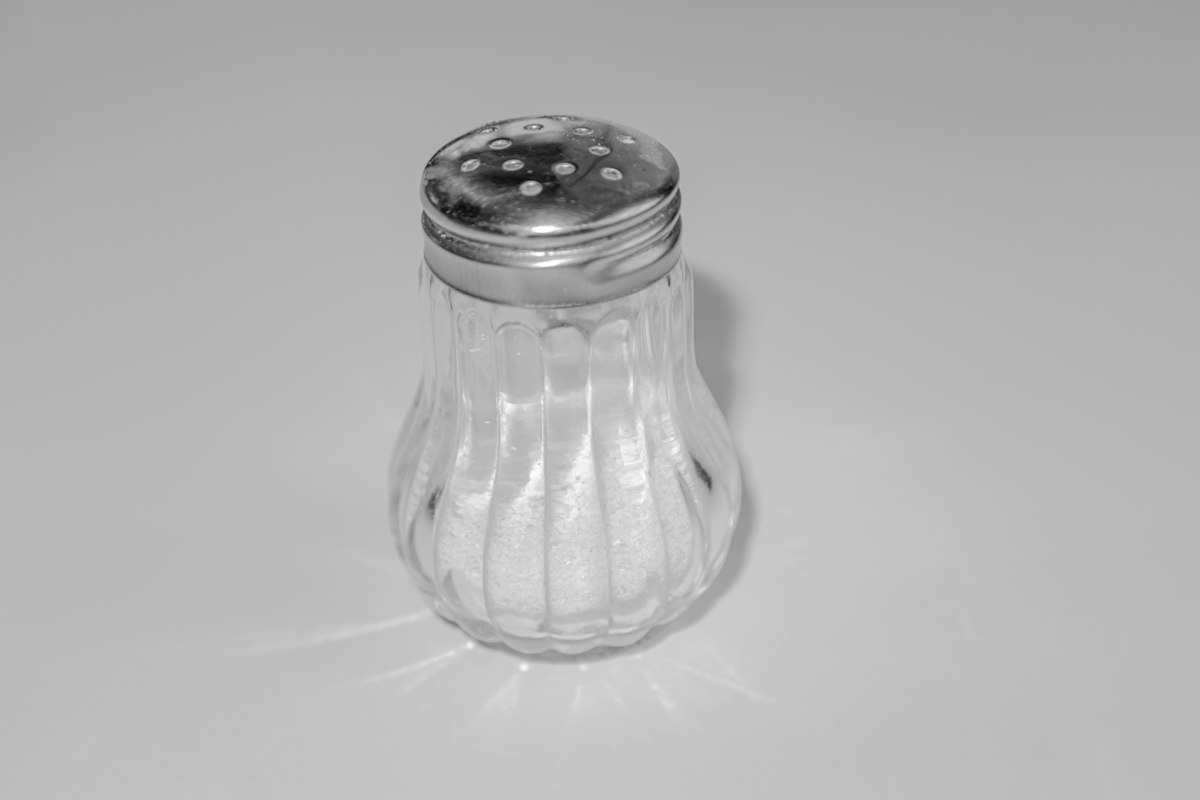
Are Salt Substitutes Safe? What to Check Before You Switch
Salt substitutes may contain potassium chloride. Learn when kidney health and medicines matter, how to read sodium labels, and other ways to add flavor.
Salt substitutes may contain potassium chloride. Learn when kidney health and medicines matter, how to read sodium labels, and other ways to add flavor.
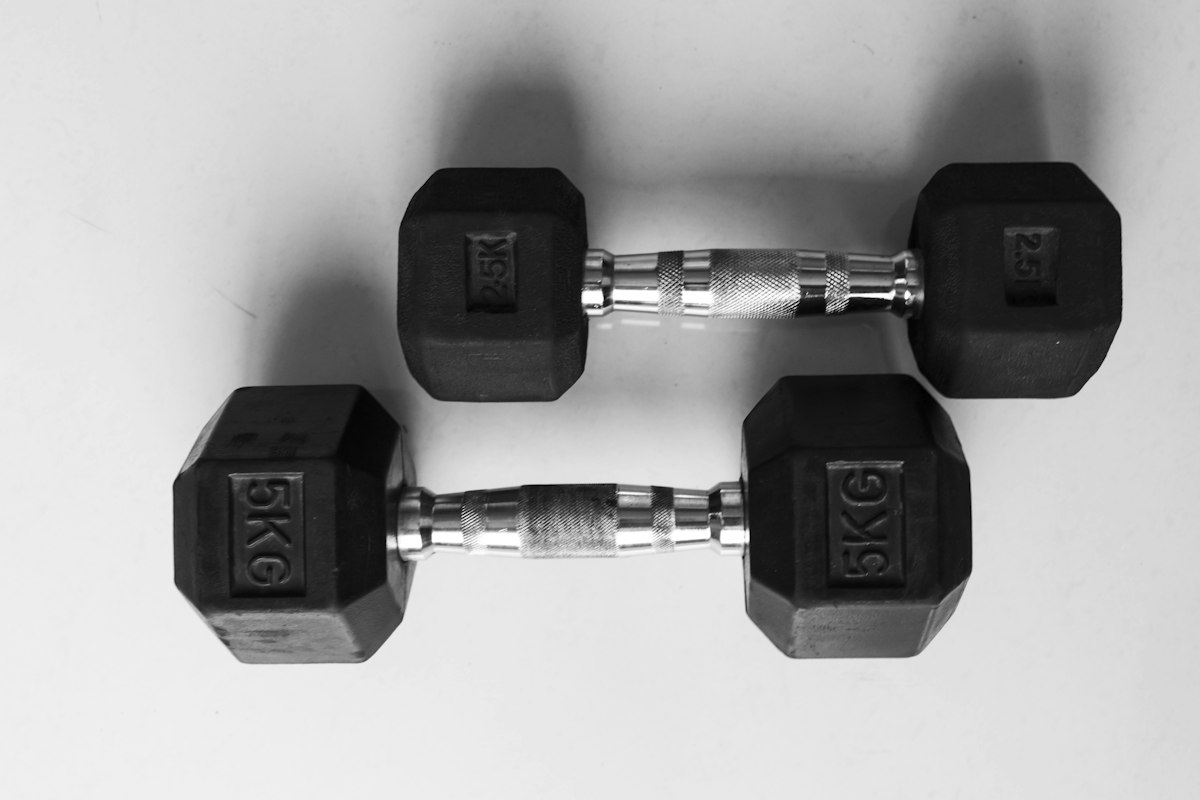
Start strength training at home with simple movements, a realistic first-week schedule, and guidance on recovery, technique, and gradual progression.

Learn how to keep a sleep diary, what to record each morning, and how to use two weeks of notes to discuss sleep problems with your healthcare professional.

Whole wheat, multigrain, or brown bread? Learn how to compare ingredients, fiber, sodium, and serving sizes to choose bread that fits your everyday meals.

Start the DASH eating pattern with familiar meals, simple sodium label checks, budget-friendly planning, and advice on when kidney disease requires adaptations.

Feeling sleepy after meals? Learn how meal size, sleep, and blood sugar symptoms fit together, with a practical one-week review and signs to get checked.

Persistent thirst can have several explanations. Learn how dry mouth, medicines, and blood sugar fit in—and when to seek medical care.

Your afternoon coffee may affect your night. Learn how caffeine timing, drink size, and individual sensitivity can shape a practical sleep routine.

Frozen vegetables can make everyday meals easier. Learn what to check on the label, how to compare sodium, and practical ways to use them.

Only have time to exercise on weekends? Learn what research suggests, how weekly activity targets work, and how to build a routine you can repeat.