Anthony Ofori | Medical Graduate in General Medicine | Founder, WellNest Central
Last updated: November 3, 2026
Educational information only; this article does not replace individualized diagnosis or treatment.
What does a urine albumin-to-creatinine ratio mean? Learn uACR categories, repeat tests, diabetes and kidney risk, and next steps. This guide explains practical clues, possible causes, and when an individual assessment can help.
Looking for personalized health guidance?
Explore a medically informed, one-on-one wellness consultation focused on your health concerns, lifestyle, and goals.
What the uACR test measures
The urine albumin-to-creatinine ratio compares albumin, a blood protein, with creatinine in one urine sample. Healthy kidneys usually prevent significant albumin leakage. When the filtering structures are affected, albumin may appear in urine before other symptoms become obvious.
The ratio is useful because urine concentration changes with hydration. Comparing albumin with urine creatinine helps account for those changes better than albumin concentration alone. The test does not tell the whole story: kidney function and clinical context must be considered together.
What the numbers generally mean
In U.S. practice, a uACR below 30 mg/g is usually considered within the normal-to-mildly increased category; 30–300 mg/g indicates moderately increased albuminuria, and above 300 mg/g indicates severely increased albuminuria. These are risk categories, not a standalone diagnosis.
The NIDDK explanation of kidney tests discusses urine albumin alongside estimated glomerular filtration rate. A person may have a normal eGFR while still having elevated urine albumin. Both results can matter for kidney and cardiovascular risk.
Why repeat testing is important
A single elevated uACR can be temporary. Recent vigorous exercise, fever, urinary infection, severe hyperglycemia, menstruation contamination, or other factors may affect an individual sample. A clinician may repeat testing to determine whether albuminuria is persistent.
Chronic kidney disease generally requires evidence of kidney damage or reduced function lasting at least three months. One slightly elevated sample during an acute illness does not establish chronic disease. Follow the plan for repeat sampling and note any conditions that may affect interpretation.
Diabetes and high blood pressure
Diabetes and hypertension are major risk factors for chronic kidney disease. Elevated albumin excretion may appear before substantial changes in eGFR, which makes testing valuable for appropriate risk groups. The result can guide risk reduction and follow-up.
Good blood pressure and blood sugar management are central to protecting kidneys. Depending on the condition, clinicians may recommend specific medicines with kidney-protective benefits. Do not start, stop, or change prescriptions solely because of an isolated urine result.
Foamy urine versus albumin testing
Some people notice bubbly or foamy urine and worry about kidney damage. Foam can have nonmedical explanations, while meaningful albuminuria can also occur without visible foam. Appearance is not sensitive or specific enough to diagnose kidney disease.
Our separate article about protein in urine and its possible causes explains related symptoms and testing. The urine uACR provides an objective measurement that can clarify whether albumin leakage is present, instead of relying on what the toilet bowl looks like.
How a sample is collected
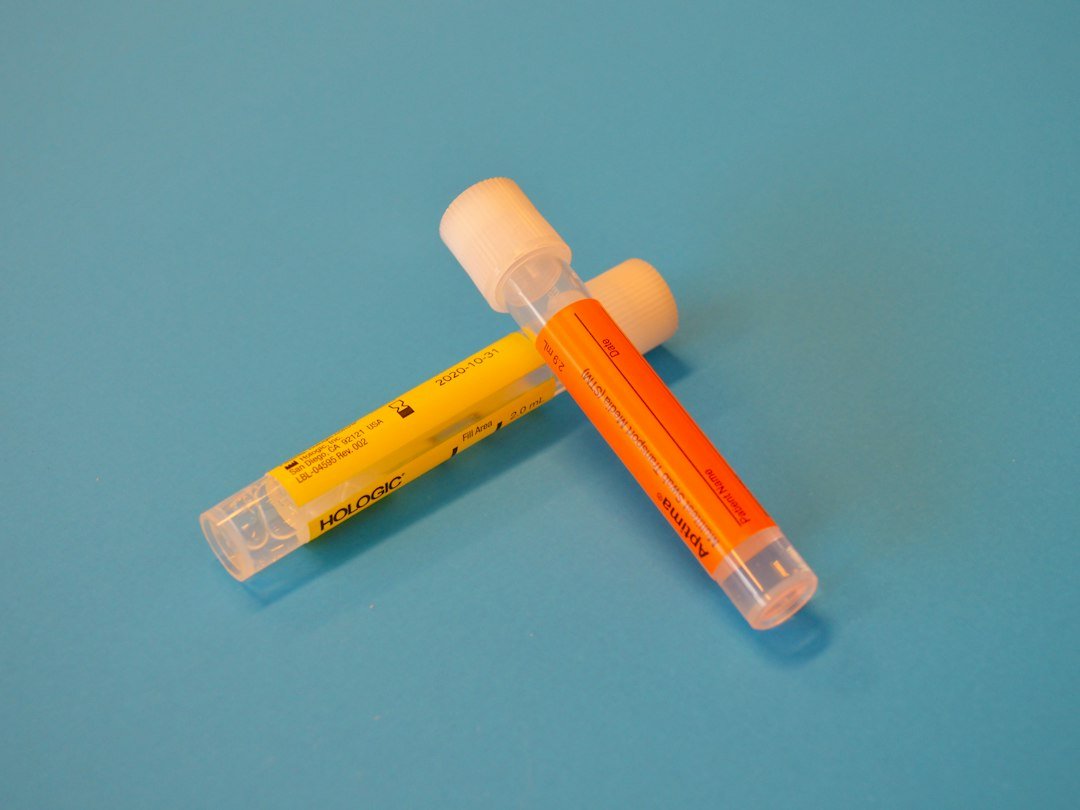
A clean-catch urine sample may be requested, and clinicians sometimes prefer a first-morning specimen for confirmation. Follow laboratory instructions for collection and storage. Tell the clinical team about recent exercise, illness, menstruation, or symptoms suggesting a urinary infection.
The test is generally straightforward and does not require a 24-hour collection for routine screening. However, a clinician may request additional urine or blood studies if the results are unusual or the medical history suggests another condition.
What happens if the ratio is high
A clinician may review previous uACR values, eGFR, blood pressure, diabetes status, medicines, and urine findings. Repeat measurements can confirm persistence and identify trends. More specialized testing or referral to a kidney specialist may be appropriate for certain results.
Treatment focuses on the underlying cause and reducing future risk. Depending on the situation, this can involve blood pressure treatment, diabetes management, smoking cessation, dietary guidance, and medication review. The care plan should be individualized rather than based on one number.
Questions for your next appointment
Ask whether the urine sample should be repeated, how your result compares with previous tests, and whether eGFR or other measurements show a similar pattern. Discuss how often monitoring is appropriate and what changes would indicate improvement or progression.
Emergency care is needed for severe symptoms, not just because a uACR is flagged. But persistent albuminuria, visible blood in urine, significant swelling, or rapid deterioration in kidney tests deserves timely medical evaluation. Understanding the trend is often more useful than focusing on one isolated value.
Questions to ask at your next appointment
Bring a list of symptoms, how long they have been present, and whether anything has made them better or worse. Review all medicines and supplements, including over-the-counter products, recent blood or urine tests, and relevant chronic conditions. Ask what the leading explanations are, which findings would change the plan, and whether follow-up testing is needed. If you experience an emergency warning sign, seek urgent care rather than waiting for a routine appointment.
How uACR and eGFR complement each other
The uACR and eGFR evaluate different aspects of kidney health. eGFR estimates how well the kidneys filter blood, while uACR helps show whether albumin is leaking into urine. A person can have a relatively preserved eGFR but elevated uACR, or a reduced eGFR without much albuminuria. Both values help clinicians assess risk more accurately than either test alone.
Tracking the result over time can be more informative than comparing it with another person’s number. A single sample obtained after intense exercise or during a urinary infection may not represent a person’s usual baseline. Ask whether a repeat sample is needed and whether the testing conditions could have influenced the result. Do not conclude that chronic kidney disease is present from one isolated elevated measurement.
When albuminuria persists, management often includes addressing blood pressure, glucose, smoking, and other cardiovascular risks. Some medicines are particularly useful in eligible patients with diabetes or kidney disease, but treatment should be selected by a qualified prescriber. The uACR can also help determine whether the current plan is achieving the intended effect over time.
Before an appointment, write down the uACR value and unit, eGFR, blood pressure readings when available, and any recent illnesses. Results reported in mg/g should not be compared directly with a value in a different unit without conversion. Understanding the units and reference category prevents unnecessary alarm and supports meaningful follow-up.
People are sometimes told that a normal creatinine blood test means their kidneys are healthy. That is not always true: early kidney damage can appear as elevated urine albumin even when filtration remains near normal. For patients with diabetes or hypertension, uACR testing may provide important additional information. The test is most helpful when combined with eGFR and interpreted over time. Ask whether your result needs confirmation and which lifestyle or treatment measures are most relevant to your particular risk factors.
Key takeaways
One symptom or test result rarely tells the whole story. The most useful next step is to understand the possible mechanism, review practical contributing factors, and seek focused medical advice when symptoms are persistent, worsening, or concerning. Avoid extreme self-treatment or adding multiple supplements without a clear indication.
For personalized, medically informed wellness guidance, book your one-on-one consultation with WellNest Central.



Pingback: Urine Specific Gravity High or Low: What the Result Means - Wellnest Central