Anthony Ofori | Medical Graduate in General Medicine | Founder, WellNest Central
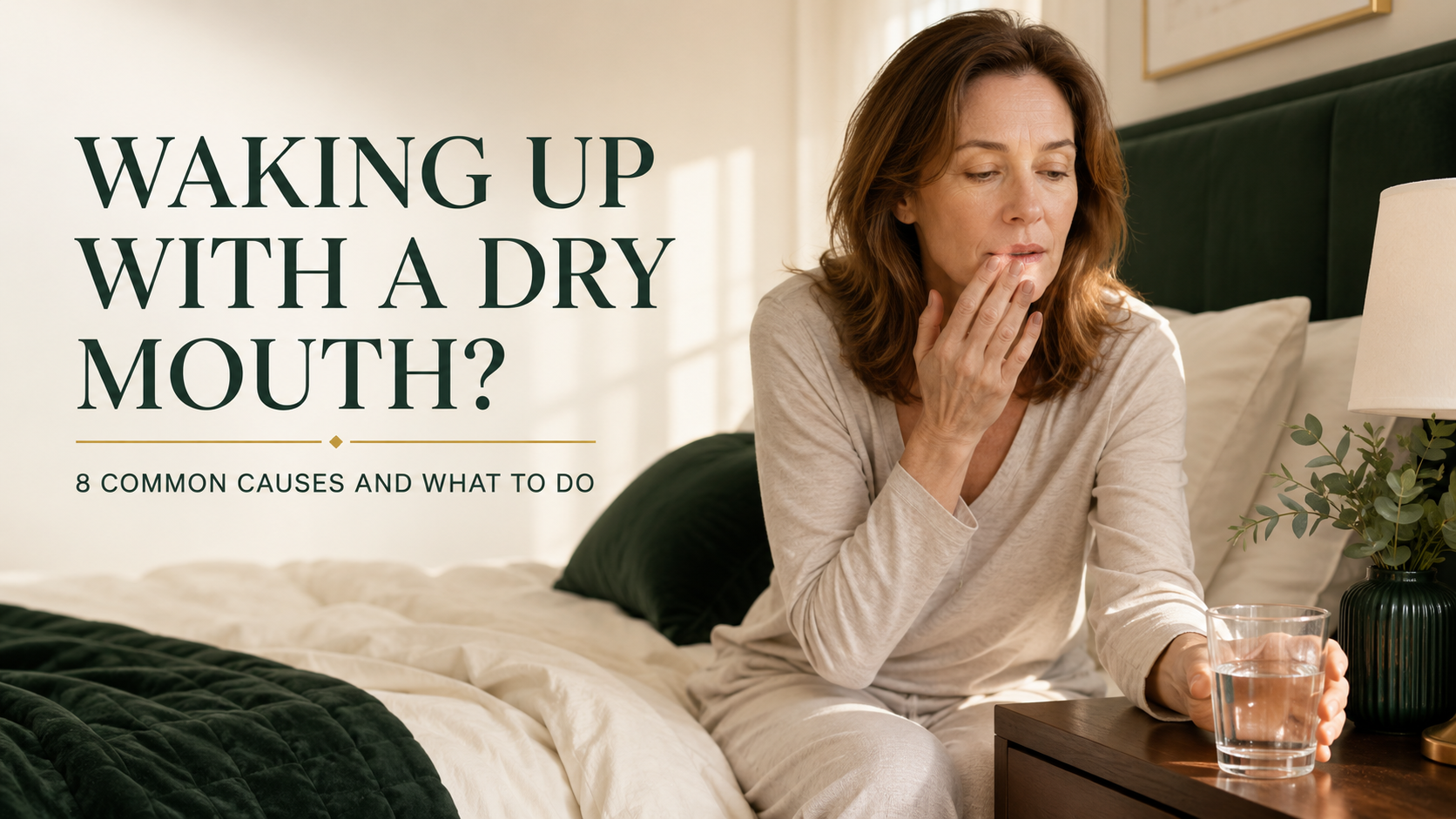
Waking up with a dry mouth can be uncomfortable. Your tongue may feel sticky, your throat may feel rough and you might immediately reach for a glass of water.
Occasional morning dryness is usually not a reason to panic. You may simply have slept with your mouth open, become mildly dehydrated or spent the night in a warm, dry room.
However, regularly waking up with a dry mouth can also be connected to medication, nasal obstruction, sleep apnoea, diabetes or a condition that affects saliva production.
Dry mouth is therefore a clue—not a diagnosis. Looking at the other symptoms occurring alongside it can help identify what may be contributing.
What Does Dry Mouth Mean?
Dry mouth, medically known as xerostomia, happens when there is not enough saliva to keep your mouth comfortably moist.
Saliva does much more than prevent an uncomfortable dry feeling. It helps you chew and swallow food, supports taste, washes food particles away and protects your teeth against decay.
The National Institute of Dental and Craniofacial Research explains that persistent dry mouth can increase the risk of tooth decay and fungal infections because saliva helps control harmful microorganisms in the mouth.
Signs of dry mouth may include:
- A sticky or dry feeling inside the mouth
- A rough or dry tongue
- Cracked lips
- Bad breath
- A dry or burning throat
- Difficulty chewing, swallowing or speaking
- Changes in taste
- Mouth sores
- Recurrent mouth or throat infections
Eight Possible Causes of Waking Up With a Dry Mouth
1. Sleeping With Your Mouth Open
Mouth breathing is one of the most common explanations for morning dry mouth.
Air repeatedly passing through the mouth can dry its surfaces during the night. You may breathe through your mouth because of habit, your sleeping position or difficulty breathing comfortably through your nose.
The NHS dry-mouth guidance identifies breathing through the mouth at night, including sleeping with the mouth open, as a common cause.
You may also notice:
- A dry throat in the morning
- Bad breath after waking
- Drooling on the pillow
- Cracked lips
- A partner noticing that you sleep with your mouth open
2. A Blocked or Congested Nose
When your nose is blocked, your body may automatically switch to mouth breathing while you sleep.
Possible reasons for nasal obstruction include:
- A cold
- Allergies
- Sinus inflammation
- Nasal polyps
- A deviated nasal septum
- Swelling caused by irritants or smoke
If congestion is temporary, the dry mouth may disappear when your nasal breathing improves. Persistent or frequently recurring nasal obstruction should be discussed with a healthcare professional.
A pharmacist may also be able to advise you about appropriate treatments. Avoid using medicated nasal decongestant sprays for longer than recommended because excessive use can make congestion worse.
3. Snoring or Sleep Apnoea
Snoring is often accompanied by mouth breathing, which can leave the mouth and throat dry by morning.
Dry mouth can also occur in people with obstructive sleep apnoea—a condition in which breathing repeatedly stops or becomes restricted during sleep.
The National Heart, Lung, and Blood Institute lists dry mouth among the possible symptoms of sleep apnoea. Other important signs include:
- Frequent loud snoring
- Gasping or choking during sleep
- Breathing that repeatedly starts and stops
- Morning headaches
- Persistent daytime sleepiness
- Difficulty concentrating
- Waking frequently to urinate
Having a dry mouth does not mean that you have sleep apnoea. However, dry mouth combined with loud snoring, witnessed breathing pauses or significant daytime sleepiness deserves medical assessment.
A sleep study may be recommended when sleep apnoea is suspected.
Should You Tape Your Mouth Shut at Night?
Mouth taping has become a popular social-media trend, but it does not identify or treat the reason someone is breathing through their mouth.
A 2025 systematic review of mouth taping found limited evidence of benefit and identified potential safety concerns, particularly for people with nasal obstruction or unrecognised sleep-disordered breathing.
Do not tape your mouth shut if you cannot breathe freely through your nose, have significant congestion or may have sleep apnoea. It is safer to investigate why mouth breathing is happening.
4. Dehydration
Not drinking enough fluid during the day can contribute to waking up with a dry mouth.
You may be more likely to become dehydrated when you:
- Sweat heavily
- Exercise intensely
- Have a fever
- Experience vomiting or diarrhoea
- Drink a considerable amount of alcohol
- Spend time in a hot environment
- Take medication that increases urination
Other possible signs of dehydration include thirst, dark urine, reduced urination, dizziness and tiredness.
However, drinking more water will not solve every case of dry mouth. If your mouth remains persistently dry despite adequate hydration, another cause may need to be considered.
5. Medication
Dry mouth is a side effect of hundreds of medicines.
According to the National Institute of Dental and Craniofacial Research, medicines used for high blood pressure, depression and bladder-control problems are among those that can reduce saliva production.
Other medicines that may contribute include certain:
- Antihistamines
- Decongestants
- Pain medicines
- Diuretics
- Sedatives
- Anxiety medicines
- Muscle relaxants
Do not stop taking prescribed medication because of dry mouth. Speak with your doctor, dentist or pharmacist. They can review your medication and determine whether an adjustment, alternative or saliva-replacement product might be appropriate.
6. Alcohol, Tobacco and Too Much Caffeine
Alcohol and tobacco can worsen mouth dryness. Alcohol may contribute to dehydration, while both smoking and smokeless tobacco can irritate the mouth.
Large amounts of caffeine may also make dryness more noticeable in some people.
If morning dry mouth regularly follows evening alcohol consumption, smoking or several caffeinated drinks, reducing these exposures may help you identify whether they are contributing.
Some mouthwashes also contain alcohol and may feel uncomfortable when your mouth is already dry. Consider an alcohol-free mouthwash if recommended by your dentist or pharmacist.
7. High Blood Sugar or Diabetes
Dry mouth can occur in people with diabetes, but dry mouth alone cannot diagnose high blood sugar.
The National Institute of Diabetes and Digestive and Kidney Diseases identifies increased urination and feeling very thirsty as common symptoms of diabetes. Other possible signs include:
- Blurred vision
- Persistent tiredness
- Increased hunger
- Recurrent infections
- Wounds that heal slowly
- Unexplained weight loss, particularly with type 1 diabetes
When blood glucose becomes considerably elevated, frequent urination can increase fluid loss and contribute to dehydration and thirst.
If you repeatedly wake with a dry mouth and also experience excessive thirst or frequent urination, arrange an appropriate medical assessment. A healthcare professional may recommend tests such as fasting blood glucose or HbA1c.
8. Conditions Affecting Saliva Production
Persistent dry mouth may occasionally be related to an underlying health condition.
Examples include:
- Sjögren’s disease
- Diabetes
- HIV
- Salivary-gland disorders
- Nerve damage involving the head or neck
- Oral thrush
- Previous radiotherapy involving the head or neck
- Certain chemotherapy or immunotherapy treatments
Sjögren’s is an autoimmune condition that commonly affects the glands responsible for producing saliva and tears. Persistent dry mouth together with unusually dry or irritated eyes should be assessed by a healthcare professional.
Dry mouth is not simply an unavoidable part of ageing. Older adults may experience it more frequently because they are more likely to use medicines or have conditions that affect saliva production.
Sleep and lifestyle support
Want Help Finding What May Be Affecting Your Sleep?
Morning dry mouth can be connected to hydration, mouth breathing, sleep habits and metabolic health. WellNest Central can help you look at the wider pattern and build practical lifestyle steps around your routine.
What Can You Do About Morning Dry Mouth?
The correct approach depends on the cause. However, several practical measures may provide relief.
Stay Consistently Hydrated
Drink water regularly throughout the day instead of trying to compensate with a large amount immediately before bed.
Keep water beside your bed if needed, but remember that persistent dryness despite adequate hydration may require further investigation.
Address Nasal Congestion
If you regularly struggle to breathe through your nose, speak with a pharmacist or healthcare professional about the possible cause.
Treating allergies, inflammation or another source of nasal obstruction may reduce nighttime mouth breathing.
Use a Humidifier
Dry indoor air can make mouth and throat dryness more noticeable. A clean humidifier may help, especially during winter or when heating makes the bedroom air particularly dry.
Clean the humidifier according to its instructions to prevent mould or microorganism growth.
Stimulate Saliva Safely
During the day, chewing sugar-free gum or sucking sugar-free sweets may stimulate saliva production.
Do not chew gum or keep sweets in your mouth while sleeping because of the risk of choking.
A pharmacist or dentist may also recommend an artificial-saliva spray, gel or lozenge.
Protect Your Teeth
Persistent dry mouth increases the risk of tooth decay.
Protect your oral health by:
- Brushing twice daily with fluoride toothpaste
- Cleaning between your teeth
- Using an alcohol-free mouthwash if appropriate
- Limiting frequent sugary foods and drinks
- Attending regular dental examinations
The American Dental Association recommends measures such as sugar-free gum, saliva substitutes and fluoride toothpaste to help manage dry mouth and protect oral health.
Review Your Evening Habits
Consider whether your symptoms are worse after alcohol, smoking, salty foods or a large amount of caffeine.
Changing one factor at a time can make it easier to identify patterns.
Keep a Short Symptom Record
For one week, note:
- How often you wake with a dry mouth
- Whether your nose feels blocked
- Whether you snore or gasp during sleep
- Your evening alcohol and caffeine intake
- Any medicines or supplements you take
- Whether you are unusually thirsty during the day
- How frequently you urinate
- Whether you also have dry eyes
This information can be useful when speaking with a doctor, dentist or pharmacist.
When Should You Speak With a Healthcare Professional?
Arrange an assessment if:
- Your mouth remains dry for several weeks
- The dryness makes speaking, eating or swallowing difficult
- Your mouth becomes painful, red, swollen or bleeds
- You develop persistent white patches or mouth sores
- You experience frequent tooth decay or mouth infections
- You also have very dry eyes
- You experience excessive thirst or frequent urination
- You suspect that prescribed medication is contributing
- You have loud snoring, gasping or witnessed breathing pauses
- Daytime sleepiness is affecting your concentration or safety
Seek urgent medical help if dry mouth occurs with severe dehydration, confusion, fainting, breathing difficulty, persistent vomiting or marked drowsiness.
Frequently Asked Questions
Is Waking Up With a Dry Mouth a Sign of Diabetes?
It can occur with diabetes, particularly when high blood sugar causes increased urination, thirst and dehydration. However, dry mouth has many other possible causes and cannot diagnose diabetes by itself.
Why Is My Mouth Dry Only When I Wake Up?
Dryness that occurs mainly in the morning often points towards nighttime mouth breathing, nasal congestion, snoring, dry bedroom air or evening habits. Your other symptoms will help provide context.
Can Snoring Cause a Dry Mouth?
Snoring and mouth breathing commonly occur together. If snoring is loud or accompanied by gasping, breathing pauses, headaches or daytime sleepiness, speak with a healthcare professional about possible sleep apnoea.
Will Drinking More Water Fix Dry Mouth?
Water may help when dehydration is the cause, but it may provide only temporary relief when medication, mouth breathing or reduced saliva production is responsible.
Should I See a Doctor or a Dentist?
Either may be appropriate. A dentist can examine your mouth, teeth and saliva-related complications. A doctor can assess possible medical conditions, medication effects, nasal obstruction, diabetes or sleep apnoea. In some cases, both are needed.
The Bottom Line
Waking up with a dry mouth is often connected to mouth breathing, nasal congestion, dehydration, medication or dry indoor air.
However, persistent morning dry mouth can sometimes accompany sleep apnoea, diabetes or a condition affecting saliva production.
Pay attention to the wider pattern. Loud snoring, breathing pauses, excessive thirst, frequent urination, dry eyes, difficulty swallowing or recurring dental problems are reasons to seek an appropriate assessment.
Ready for a plan that considers your sleep, hydration, nutrition and metabolic health together?
Book Your One-on-One Consultation with WellNest Central for personalised holistic health education and practical lifestyle support.
This article provides general health education and does not replace medical diagnosis or individual treatment. Consult an appropriately licensed healthcare professional about persistent symptoms, suspected sleep apnoea, abnormal blood sugar or changes to prescribed medication.


Pingback: Mouth Taping for Sleep: Helpful Hack or Risky Shortcut? - Wellnest Central