Anthony Ofori | Medical Graduate in General Medicine | Founder, WellNest Central
Last updated: 25 September 2026
You peel an orange, check your blood sugar, and see a number much higher than expected. It is easy to assume the fruit you ate caused a sudden spike. Yet the first thing to check may be your fingertip: juice left on the skin can affect a finger-stick test.
Quick answer: Yes. Handling fruit before using a glucose meter can produce a false high blood sugar reading if sugar remains on your finger. Wash your hands with soap and water, dry them thoroughly, and repeat an unexpected result with a fresh strip. A repeat high result may be real, so follow your personal diabetes plan and seek clinical advice when appropriate.
How can fruit on your fingers change the number?
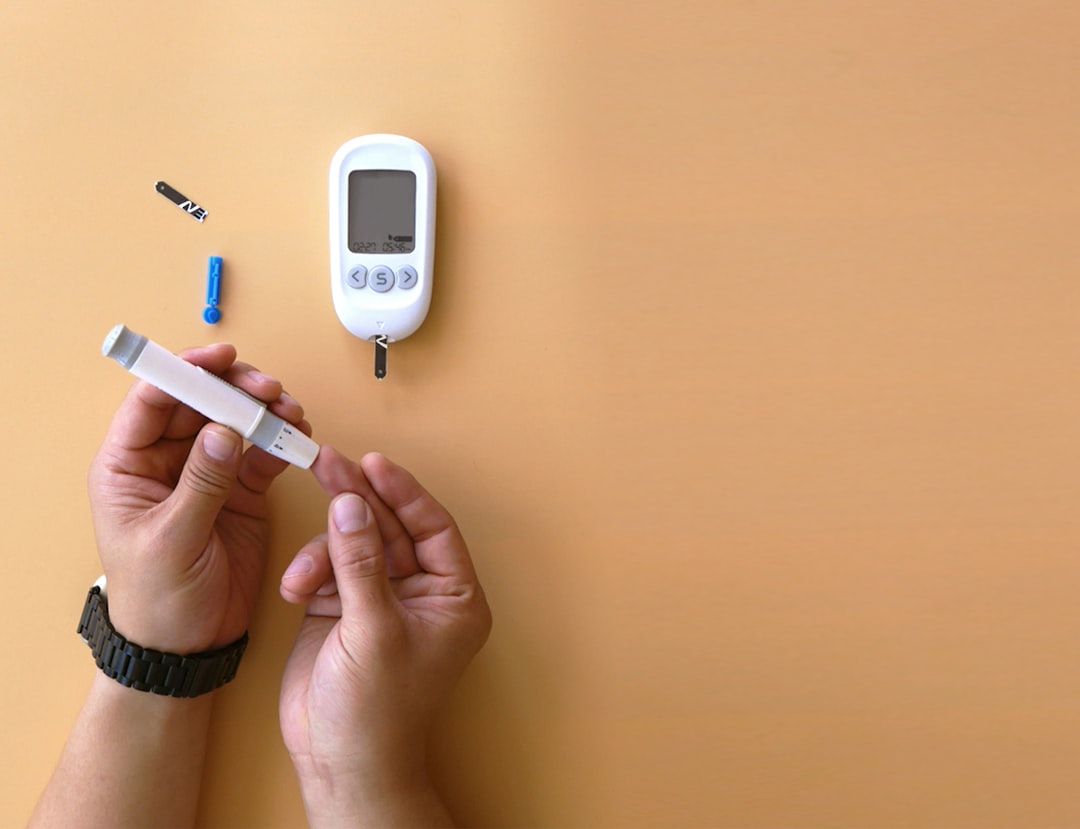
A finger-stick meter tests a small blood sample placed on a strip. If the fingertip has fruit juice or other sugary residue on it, the drop can pick up that sugar before it reaches the strip. The meter cannot tell whether glucose came from your bloodstream or from contamination on the skin.
In a small study of 10 healthy volunteers, researchers checked glucose after participants peeled oranges, grapes, or kiwifruit. Readings taken without handwashing were significantly higher than control readings. Washing with water brought them back in line with the controls. Even wiping the fingertip with alcohol did not reliably solve the problem in this experiment.
That study shows a real testing error, but it does not mean every high reading after fruit is false. Eating carbohydrates can also change your actual blood glucose. The practical response is to check the test conditions before interpreting the number.
What should you do with an unexpectedly high reading?
- Pause and check your hands. Did you cut fruit, handle food, pour juice, use a sweet lotion, or touch another sugary surface?
- Wash with soap and water, then dry thoroughly. Follow your meter’s instructions; moisture and residue can affect testing.
- Use a new strip and repeat the finger-stick. Record both readings, the time, and what you were doing.
- Compare the repeat with your care plan. If it remains above your agreed range, treat it as a possible genuine high and follow the instructions you were given by your diabetes team.
The US Food and Drug Administration (FDA) recommends washing and drying hands before testing and following the device instructions. If the reading seems wrong for how you feel, a repeat after proper preparation is more useful than assuming either result is correct.
Confused by changing glucose readings?
Bring a record of the readings, meal times, and testing conditions to your healthcare professional. For help organizing your questions and daily habits, explore a WellNest Central consultation.
Could something else make the meter result unreliable?
Yes. The FDA notes that an expired, damaged, incompatible, or poorly stored test strip can cause trouble. Heat and humidity may damage strips; close the container promptly and keep supplies as directed by the manufacturer. Too little blood or squeezing the finger excessively can also affect a result. Check the user manual for the blood drop size and technique your meter requires.
Some medications, supplements, and medical conditions may interfere with particular systems. Check your meter and strip instructions and ask your care team if this could apply to you. If unusual readings keep appearing, the FDA suggests a control-solution check following your device instructions. You can also take the meter to an appointment and ask a clinician to review your technique and compare it with a laboratory test.
Do not assume a different finger or a second drop solves contamination from fruit. Washing and drying your hands is the clearer first step. For general timing, see our guide to checking blood sugar one or two hours after eating.
What if the repeat reading is still high?
Look at the bigger picture: the time since your meal, medication, physical activity, illness, and the pattern of readings. A single number cannot explain the cause. If values are repeatedly above your personal target, contact your diabetes team for advice. You can also read our broader guide to blood sugar spikes after meals.
If you are ill, have ketone instructions, or have symptoms of a serious high or low, follow your sick-day or emergency plan promptly. Do not use the possibility of a testing error to dismiss symptoms, and do not delay urgent care while repeatedly testing. If you take insulin or another medicine that can cause low glucose, follow your prescribed instructions for suspected lows.
A simple pre-test routine
Keep soap, water, and a clean way to dry your hands within reach of your testing supplies. Before each check, clean and dry your hands, confirm that the strip suits your meter and is in date, and use the method in the manual. Write down unusual results alongside the timing and circumstances. This habit can make your log easier to interpret and can prevent a misleading reading from driving unnecessary worry.
For help preparing a clear record to discuss with a clinician, you can explore a WellNest Central consultation.
Selected references
- Hirose T, et al. Glucose monitoring after fruit peeling. Diabetes Care, 2011.
- FDA. Blood Glucose Monitoring Devices.
- FDA. Blood Glucose Meters: Getting the Most Out of Your Meter.
Medical disclaimer: This article is for general education and does not replace individual medical advice, diagnosis, or treatment. Follow your own diabetes care plan.


Pingback: Can Steroid Medicines Raise Blood Sugar?