Anthony Ofori | Medical Graduate in General Medicine | Founder, WellNest Central
Last updated: 24 September 2026
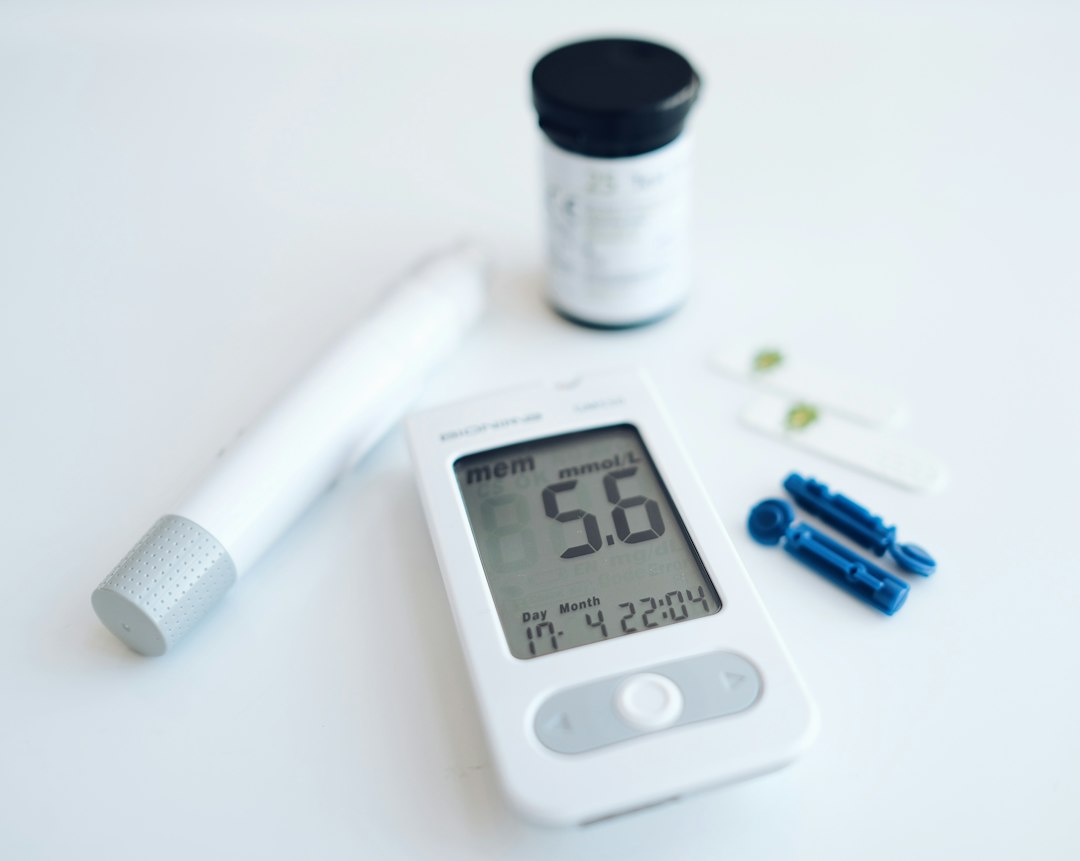
You finish lunch, glance at your glucose meter, and wonder when the number will mean anything. Should you check one hour after eating, wait two hours, or count from the time you put down your fork? The answer depends on why you are checking and the plan you have with your healthcare team.
Quick answer: For most nonpregnant adults with diabetes who have been asked to check after meals, a reading one to two hours after the beginning of a meal is a common window. A two-hour check is an easy, consistent routine; a one-hour reading gives a different snapshot. Start the clock with the first bite, and use your own care plan if it specifies a time.
When does the clock start?
Count from when you start eating, not when you finish. If your first bite is at noon, your one-hour reading is at 1 p.m. and your two-hour reading is at 2 p.m. A long meal makes this distinction especially useful: “two hours after lunch” could mean very different times depending on how long you ate.
The American Diabetes Association (ADA) describes its usual after-meal target for most nonpregnant adults with diabetes at one to two hours after the beginning of a meal. Your clinician may give you a different schedule and target.
One hour or two hours: which should you choose?
A one-hour check shows an earlier response
A one-hour reading can help you see what happened relatively soon after a particular meal. It does not necessarily capture the highest glucose value. The timing and size of a rise can differ with the meal, activity, medication, and your own physiology. Avoid treating a single number as a verdict on that food.
A two-hour check is a practical comparison point
Many people use the two-hour mark because it is easy to repeat and discuss with their care team. If you compare meals, measure at the same interval each time and note what you ate, your activity, medicines, and any illness or stress. A before-meal reading, when your plan calls for one, can add context to the after-meal result. Our guide to blood sugar spikes after meals offers broader ways to interpret and respond to patterns.
There is no rule that everyone needs both measurements after every meal. Ask which check would actually inform your treatment decisions, especially if testing is costly, painful, or stressful.
Want help making sense of your results?
Bring a few timed readings and your questions to a healthcare professional. If you want a place to start, explore a WellNest Central consultation for help organizing what to discuss.
What number should you aim for?
The ADA lists below 180 mg/dL (10.0 mmol/L) at one to two hours after the start of eating as a general goal for most nonpregnant adults with diabetes. This is a treatment target, not a diagnostic cutoff or a promise that every individual reading must fall below it. Targets may be adjusted for age, other health conditions, the risk of low glucose, and your treatment. Follow the goal set with your own healthcare team.
Pregnancy is different. Gestational diabetes often uses a specific one-hour or two-hour schedule and lower targets. For most people with gestational diabetes, the NIDDK lists 140 mg/dL or less at one hour and 120 mg/dL or less at two hours; your pregnancy team should tell you which time and goal to use. Do not apply the general nonpregnant target to pregnancy.
If you do not have diabetes, should you test after meals?
A home meter or continuous glucose monitor (CGM) can show a changing number after food, but an isolated post-meal reading cannot diagnose prediabetes or diabetes. Routine screening uses standardized tests such as laboratory A1C, fasting plasma glucose, or an oral glucose tolerance test. That last test uses a prescribed glucose drink under a defined protocol, so its two-hour cutoff should not be applied to an ordinary lunch. The NIDDK explains these diagnostic tests and when a result usually needs confirmation.
If you have risk factors, symptoms, or repeated readings that worry you, ask for an appropriate clinical test instead of trying to diagnose yourself from meal-by-meal values. A related question is why fasting glucose and A1C can tell different stories.
How to make a reading useful
- Record the first-bite time. Set a reminder for the interval in your plan.
- Wash and dry your hands before a finger-stick and use your meter as directed. Food residue can interfere with a clean sample.
- Write down context. Note the meal, activity, medication timing, symptoms, and whether you used a meter or CGM.
- Look for a pattern. Several readings at a comparable time tell you more than one unusual result. Review repeated values outside your agreed range with your care team.
A CGM estimates glucose in fluid under the skin, while a finger-stick meter measures a blood sample. If the device reading seems wrong for how you feel, follow your device and diabetes care instructions for confirmation. Do not delay treatment of suspected low glucose while waiting for a scheduled after-meal check.
When to ask for help
Contact your care team if after-meal readings repeatedly exceed your personal target, if lows occur, or if you are unsure when to test around medication. Seek urgent help for severe symptoms such as confusion, fainting, or inability to safely treat a low. A single unexpected number deserves context and, when appropriate, a repeat check; it does not define your health by itself.
If you would like help preparing your questions and results for a clinician, you can explore a WellNest Central consultation.
Selected references
- American Diabetes Association. Check Your Blood Glucose.
- NIDDK. Managing & Treating Gestational Diabetes.
- NIDDK. Diabetes Tests & Diagnosis.
Medical disclaimer: This article provides general education and is not a diagnosis or a substitute for individual medical advice. Follow your own diabetes or pregnancy care plan.


Pingback: Can Fruit on Your Fingers Cause a False High Blood Sugar Reading? - Wellnest Central
Pingback: Blood Sugar When Sick: Why It Can Rise Even If You Eat Less - Wellnest Central