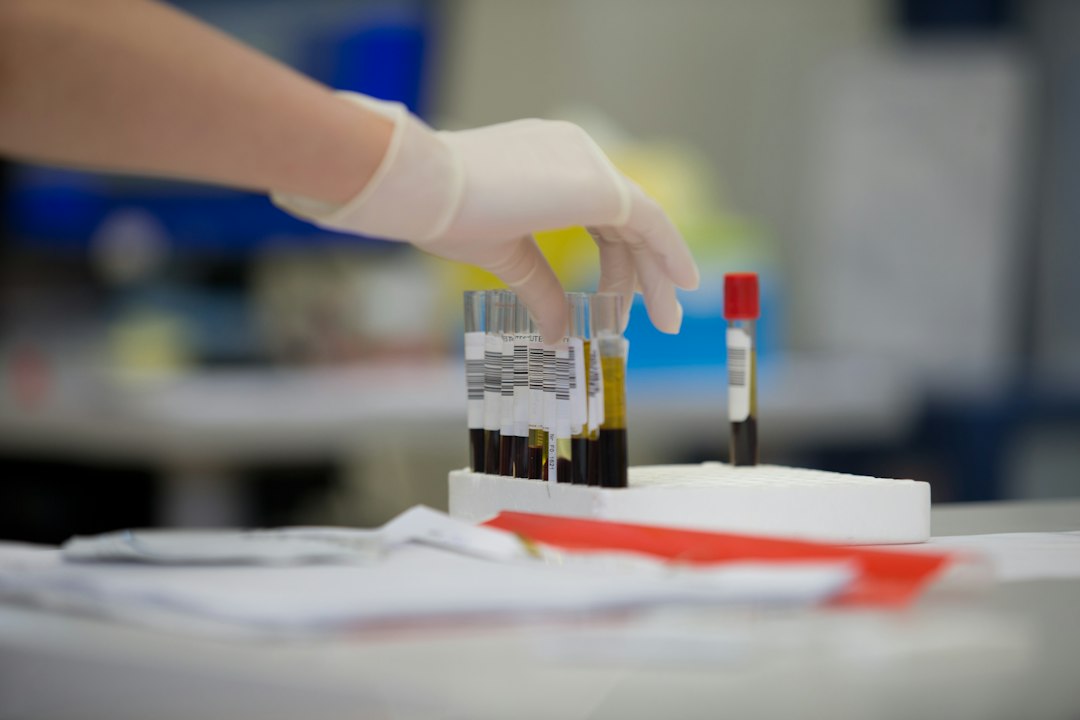
Quick answer: A high potassium result can affect the heart and needs a prompt response from the clinician who ordered it. Kidney function, medicines and potassium-containing products may be involved. Sometimes the blood sample itself reads falsely high, but that possibility must be checked rather than assumed. Do not wait for symptoms before asking what the result means.
Your blood report shows a potassium value above the laboratory range, perhaps with a message asking you to call. If you feel fine, it is natural to wonder whether the number matters. Potassium helps your nerves and muscles work, including the heart muscle. Both the actual result and the circumstances of the blood draw shape the next step.
Anthony Ofori | Medical Graduate in General Medicine | Founder, WellNest Central
Last updated: 29 September 2026
WellNest Central support
Prepare for a clearer results conversation
We can help you organise your medicines, supplements, habits and questions for your healthcare professional after urgent medical needs have been addressed.
What does the potassium test measure?
A potassium blood test measures a small amount of the mineral circulating in your blood. Most potassium is inside cells, and the kidneys help keep the blood level in balance. The MedlinePlus guide to the potassium blood test explains why it is often included in an electrolyte panel or used to monitor kidney disease, diabetes, heart conditions and medicines. The laboratory’s own range and your previous results matter more than comparing your value with an isolated number online.
A high result is called hyperkalemia. How urgent it is depends on the level, whether it is rising, your medical history, symptoms and sometimes an electrocardiogram (ECG). Ask the ordering clinician about the result promptly, especially if the report or lab instructed you to make contact. If the value was labelled critical, follow the urgent instructions immediately.
Why might potassium be high?
Kidney function and other conditions
The kidneys normally remove excess potassium in urine. When their function is reduced, potassium can build up, particularly if another factor is added. Diabetes, an acute illness and certain hormonal conditions can also affect the balance. A high potassium value alone does not diagnose kidney disease; the clinician may review creatinine, eGFR and earlier measurements. Our article on three kidney tests explains why kidney results are interpreted together rather than by one number.
Medicines, supplements and salt substitutes
Some medicines used for blood pressure, heart failure or kidney protection can raise blood potassium, including ACE inhibitors, ARBs and spironolactone. Potassium supplements and some “low-sodium” salt substitutes may add substantial potassium. The National Kidney Foundation’s high-potassium guide advises sharing a complete list of medicines, herbal products and supplements with your care team. Do not stop a prescribed medicine because of an online article; your clinician can weigh its benefit against the result and decide what to change.
Could the blood sample make the result look high?
Yes. If blood cells break during collection or handling, potassium can leak into the tube and raise the measured value. This is called hemolysis. Delays in processing and other sample problems can also matter. The University Hospitals of North Midlands laboratory guide lists several such factors. MedlinePlus also notes that repeatedly clenching and releasing a fist during the draw may temporarily increase the measured level.
That is a reason for the clinician or laboratory to assess whether a repeat sample is needed, not a reason to ignore the first result. A normal-feeling person may have real hyperkalemia, and a repeat test should be arranged at the urgency the clinical team recommends. Tell them if the report says the sample was hemolyzed and whether the draw was difficult; they can interpret that alongside your health history and previous values.
Can you feel high potassium?
Often you cannot. The National Kidney Foundation says many people have few or no symptoms. Muscle weakness, tingling, nausea or an unusual heartbeat can occur, but they are not reliable home tests. A person may need a prompt repeat blood test or ECG even while feeling well. Do not use the absence of symptoms as a reason to postpone a call about a flagged result.
Seek emergency help immediately for chest pain, severe difficulty breathing, collapse, or a serious new irregular heartbeat, especially if you have been told your potassium is high. Sudden severe weakness also needs urgent assessment. In Germany and much of Europe, call 112; elsewhere use your local emergency number. If a clinician has already told you to attend emergency care because of your result, follow that instruction even if you feel okay.
What should you ask after a flagged result?
- How high is the result for this laboratory, and how quickly do I need review? Share the actual value, units and any critical-result message.
- Is a repeat sample or ECG needed now? Ask whether the sample was hemolyzed or there is another reason to question it, while following the recommended urgency.
- How are my kidney results and older potassium values? A trend can provide context, but it does not erase a current serious result.
- Which products should we review? Bring every prescription, over-the-counter medicine, supplement, electrolyte mix and salt substitute. Our guide to electrolyte powders explains why routine use is not right for everyone.
- What is the follow-up plan? Ask when to repeat testing, what symptoms require urgent help, and who will contact you with the result.
Do not launch into a severe low-potassium diet or stop eating fruits and vegetables on the basis of one result. Food advice depends on whether the elevation is real, your kidney function and the treatment plan. Avoid adding potassium supplements or potassium-based salt substitutes while the result is being clarified, and ask the clinician for personalised instructions about anything you already take.
The takeaway
High potassium on a blood test deserves a timely conversation with the ordering clinician. The next step may involve an urgent assessment, ECG, medicine review or repeat blood draw, depending on your situation. A sample problem is possible, but only proper follow-up can distinguish it from a real risk. Once immediate care is arranged, connect with WellNest Central if you want help preparing clear lifestyle and results questions for your healthcare team.
This article provides general health education and does not replace individual medical advice, diagnosis, treatment or emergency care.



Pingback: Are Salt Substitutes Safe? Potassium and Kidney Health