Anthony Ofori | Medical Graduate in General Medicine | Founder, WellNest Central
Last updated: October 11, 2026
This article provides general health education for adults and does not replace individual medical advice or an eye examination.
You can read your phone, recognize faces, and watch television without difficulty. When another diabetes appointment appears on your calendar, an eye examination may feel less urgent than everything else you are managing.
But clear vision does not rule out early diabetes-related eye damage. A diabetic eye exam looks for changes you may not be able to notice yourself, including changes to the blood vessels at the back of the eye.
If you have diabetes, the useful question is not simply, “Can I still see clearly?” It is, “When was my last diabetes-related eye assessment, and when am I due again?”
Why diabetes can affect your eyes before you notice
The retina is the light-sensitive tissue at the back of the eye. Over time, high blood sugar can damage its small blood vessels. This condition is called diabetic retinopathy.
The National Eye Institute’s guide to diabetic retinopathy explains that early disease usually has no symptoms. Later changes may include blurred vision or floating dark spots, but waiting for those changes can delay detection.
This does not mean everyone with diabetes will lose their sight. It means that how well you see today cannot tell you everything about your retinal health. Regular assessment gives your eye care professional a chance to identify problems and decide whether monitoring or treatment is needed.
WellNest Central support
Make your diabetes health questions more manageable
Explore educational support for understanding everyday health topics, organizing questions, and building sustainable lifestyle habits alongside your medical care.
Is a glasses check the same as a diabetic eye exam?
A glasses prescription addresses how well your eyes focus. Diabetes-related eye care also needs to assess eye health, including the retina. Both may happen during the same visit, but you should not assume that every appointment for new glasses includes the assessment you need.
When booking, say that you have diabetes and ask whether the visit includes an appropriate examination for diabetic eye disease. If you recently had retinal photographs or another screening test, ask what was assessed, whether the images were adequate, and whether further examination is needed.
A useful question is: “Did my last visit include a diabetes-related retinal assessment, and has the report been sent to my diabetes clinician?” That is more informative than asking only whether you passed a vision test.
When should you start, and how often should you go?
The NIDDK’s guidance on diabetic eye disease recommends beginning eye examinations at diagnosis for type 2 diabetes and within five years of diagnosis for type 1 diabetes. Most people with diabetes need a complete eye examination about once a year, although the schedule should be individualized.
Your eye care professional may recommend a different interval based on previous findings and your circumstances. Existing retinopathy may require more frequent follow-up. People with pre-existing diabetes who are planning pregnancy or become pregnant should discuss eye assessment promptly with their care team.
Do not postpone an overdue appointment because your vision seems unchanged. Equally, do not replace an agreed follow-up plan with a generic schedule from an article. Ask for your next examination date in writing.
What happens during a dilated eye examination?
The National Eye Institute’s explanation of a dilated eye exam describes checks of vision and eye health, including eye pressure and examination of the inside of the eye. Drops widen the pupils so the clinician can examine the back of the eyes more clearly.
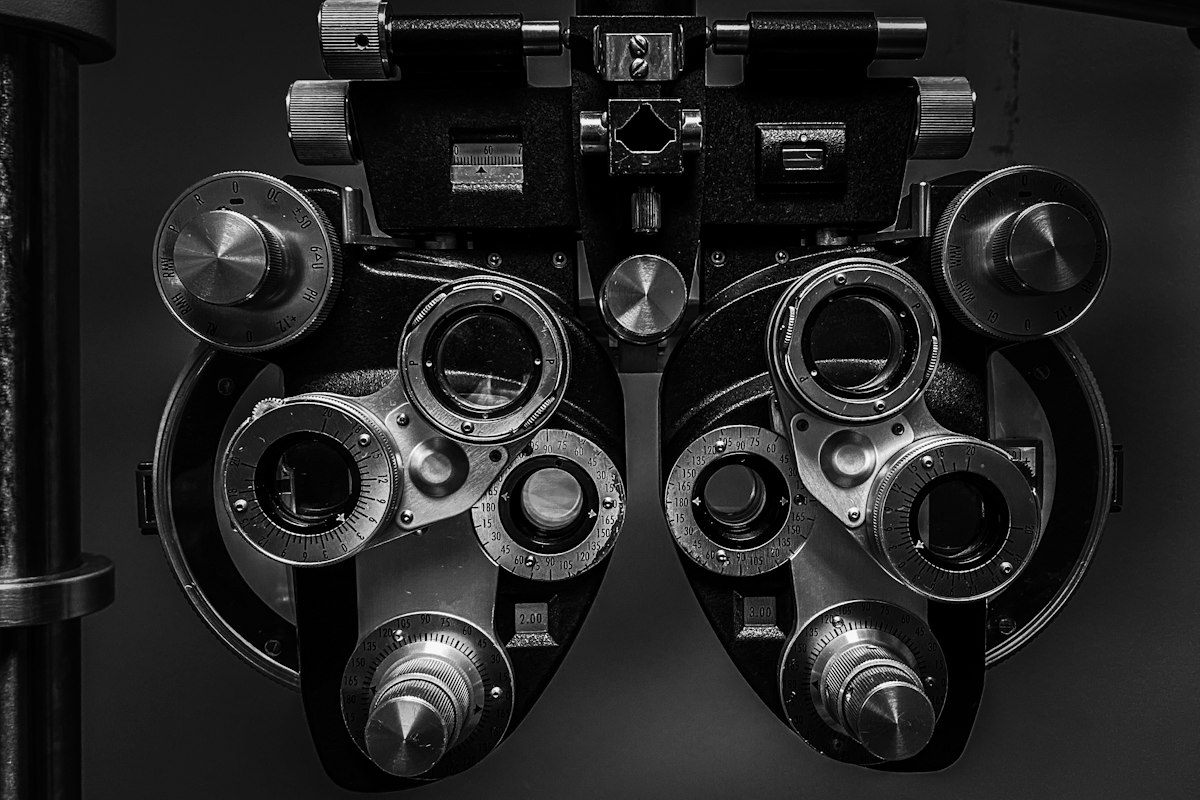
The examination may include additional tests depending on what is found. Ask the clinician to explain what each part is checking, especially if a machine or procedure is unfamiliar.
After dilation, vision may be blurry and bright light may be uncomfortable for several hours. Bring sunglasses and arrange a ride home. Leave room in your schedule rather than planning to drive immediately afterward or return straight to work that requires sharp vision.
If you are worried about the drops or have had a previous reaction, tell the clinic before the examination. Raising a concern early gives the team an opportunity to discuss it with you.
How to prepare without making the visit complicated
Put the essentials in one note before you arrive. Include the type of diabetes you have, approximately when it was diagnosed, your medication list, and the details of your previous eye examination if available.
Bring your latest A1C result if you have it, but do not delay the appointment simply because you cannot find the number. For background, our guide to A1C ranges and what they mean explains how this measurement fits into diabetes care.
Also record any changes you have noticed: when they began, whether one or both eyes are affected, and whether they are constant or come and go. Avoid deciding in advance that a symptom must be caused by diabetes. Your clinician needs to consider other explanations too.
If cost or transport is a barrier, tell the clinic when booking. Ask about fees, insurance requirements, and available assistance before the appointment rather than quietly abandoning the visit.
Which vision changes should not wait?
Seek immediate eye care for sudden vision loss, new flashes of light, a sudden increase in floaters, or a dark curtain or shadow across your vision. These can indicate a serious problem, including retinal detachment. If you cannot reach an eye professional promptly, use emergency care.
Do not wait for a routine diabetes review or assume a new symptom will settle when your blood sugar improves. Tell the service when the change started and whether it affects one eye or both.
This advice applies even if your last examination was reassuring. A previous normal result does not explain a new, sudden change.
What if the examination finds early changes?
An abnormal finding does not automatically mean you need an injection or surgery. Early retinopathy may be monitored, while more advanced disease may require treatment. The decision depends on the findings, not only on how clearly you currently see.
Before leaving, ask:
- What exactly was found, and does it affect one eye or both?
- Do I need treatment, further testing, or monitoring?
- When is the next appointment, and which symptoms should trigger an earlier call?
- Will my diabetes clinician receive the report?
Managing blood sugar, blood pressure, and cholesterol supports eye health, but it does not replace eye examinations. If blood pressure is also a concern, our article on high blood pressure and retinal changes explains that related issue.
Make the next step specific
Check the date of your last diabetic eye exam and look for the recommended follow-up interval. If you cannot find either, contact your eye clinic or diabetes care team and ask what is due.
Save the appointment, transport plan, and questions together. The aim is to make eye care a regular part of looking after diabetes, even during the years when your vision feels entirely normal.
Would you like support understanding everyday health information?
WellNest Central offers educational consultations around lifestyle goals and questions to discuss with your healthcare team. Eye symptoms, screening, and treatment require an eye care professional.
Explore One-on-One Consultation Options


Pingback: Diabetes Remission: What It Means and Why Follow-Up Matters