Anthony Ofori | Medical Graduate in General Medicine | Founder, WellNest Central
Last updated: October 12, 2026
This article provides general health education for adults and does not replace individual medical advice.
You check your blood pressure and see a reassuring result. Then you notice the pulse number: it is higher than you expected. Can your heart be beating too quickly even when your blood pressure is normal?
Yes. Blood pressure and heart rate describe different aspects of circulation. A normal blood pressure reading does not rule out a heart rhythm problem or explain why your pulse is fast.
The next step depends on whether you were truly resting, how you feel, whether the pattern keeps happening, and how suddenly it began. One reading after climbing the stairs has a different meaning from a persistently fast pulse while sitting quietly.
What is the difference between blood pressure and pulse?
Blood pressure reflects the pressure of blood against artery walls. Heart rate describes how many times your heart beats in a minute.
They influence each other, but they do not have to rise or fall together. Your heart rate can increase while your body maintains blood pressure within its usual range.
The American Heart Association defines tachycardia as a resting heart rate above 100 beats per minute in adults. This describes a finding, not its cause. Exercise, fever, pain, some medicines, anemia, thyroid problems, and abnormal heart rhythms are among possible explanations.
Your usual baseline also matters. A repeated, unexplained change deserves discussion even if the number does not cross a particular threshold.
Build healthier everyday routines
Explore educational support for sleep, movement, nutrition, and managing daily stress. Explore consultation options.
First check whether it was a resting reading
Walking quickly, carrying groceries, climbing stairs, or rushing to an appointment can temporarily raise your pulse. Measuring immediately afterward does not give the same information as measuring at rest.
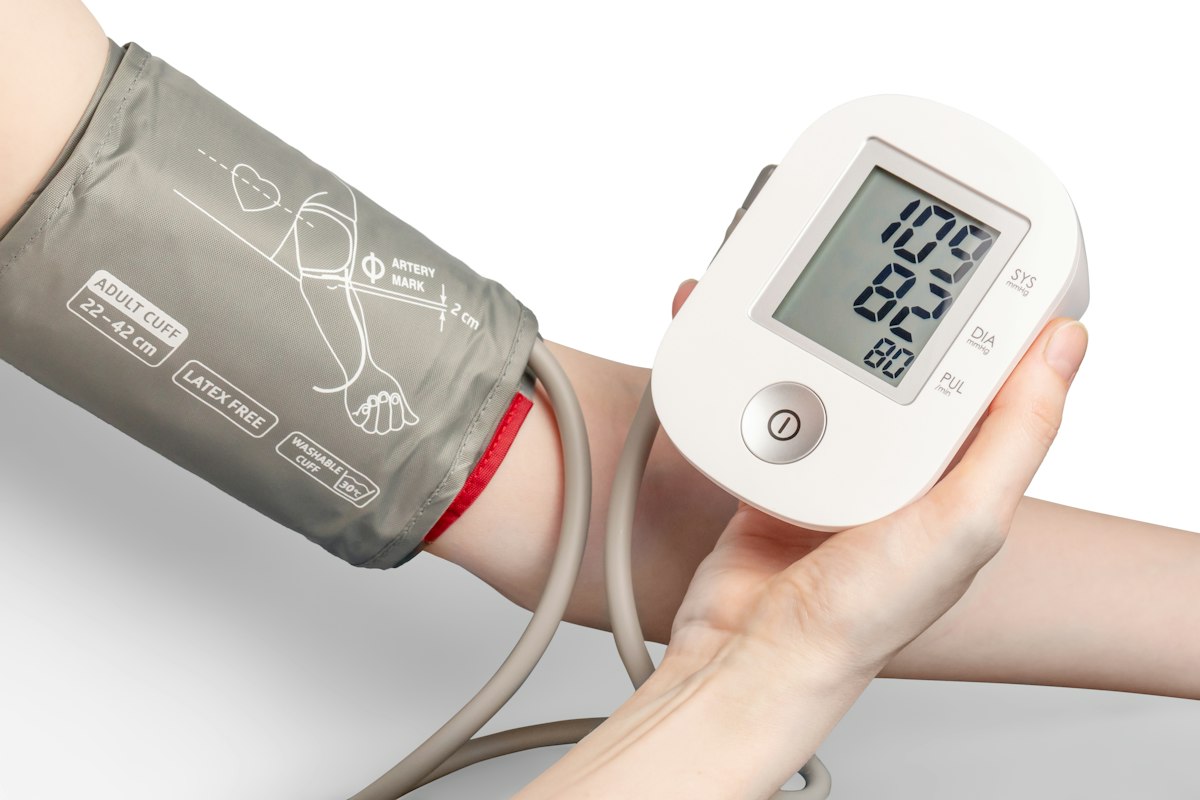
If you feel well, sit quietly for several minutes and check again. Support your back and arm, keep your feet on the floor, and avoid talking during a blood pressure measurement.
You can also check your pulse at the wrist with two fingers. Count for a full minute, especially if the beats seem uneven. Avoid using your thumb, which has its own noticeable pulse.
A home monitor’s pulse display is useful, but it is not an electrocardiogram. Movement and an irregular rhythm can affect its readings. If your device repeatedly flags irregular beats, show the results to a clinician rather than using the display to diagnose yourself.
For more on reliable measurements, see our article on how a blood pressure cuff that is too small affects readings.
Temporary triggers can provide clues
Look at what was happening before the measurement. Were you feeling anxious, in pain, unusually hot, or unwell? Had you recently used nicotine, an energy drink, or a stimulant-containing cold medicine?
These details do not prove the cause, but they help distinguish a short-lived response from a recurring unexplained pattern. A brief note is usually more useful than repeatedly checking every few minutes.
Consider the timing as well. Does the pulse settle after rest? Does it rise mainly after a particular product? Does it happen alongside fever or vomiting? Is it waking you from sleep?
Do not assume anxiety explains every fast heartbeat. Anxiety can increase heart rate, but feeling worried about palpitations can also be a response to a physical problem. Persistent or changing symptoms deserve proper assessment.
Why a normal blood pressure reading is not an all-clear
Some rhythm disturbances come and go. A cuff measurement captures only a brief period, and it cannot identify the electrical pattern causing a fast pulse.
Other medical conditions can increase heart rate before they cause an obvious change in blood pressure. A reassuring cuff result therefore should not outweigh symptoms such as chest discomfort, fainting, or breathlessness.
The practical implication is simple: record blood pressure if you have been asked to monitor it, but describe the fast heartbeat as a separate concern. “My blood pressure is normal” and “my pulse is persistently faster than usual” can both be true.
What will a clinician want to know?
A useful history includes when the episodes began, whether they start abruptly or gradually, how long they last, and whether the pulse feels regular or uneven.
Bring a list of prescription medicines, over-the-counter products, supplements, caffeine sources, and nicotine use. Include recent illnesses and any symptoms such as tiredness, dizziness, weight changes, or reduced exercise tolerance.
The NHLBI guide to diagnosing arrhythmias describes the role of medical history, examination, an electrocardiogram, and additional testing when appropriate. A clinician may consider blood tests or a portable rhythm monitor depending on the pattern.
Not everyone needs every test. The purpose is to identify the explanation and choose treatment accordingly, rather than lower the pulse number without understanding it.
Keep a short, useful record
If there are no urgent symptoms, a simple log can support the assessment. For each episode, record:
- Date and approximate time.
- What you were doing just before it started.
- Heart rate and blood pressure, if measured.
- Whether you had rested before checking.
- How you felt and how long the episode lasted.
- Recent medicines, caffeine, illness, or unusual exertion.
If poor sleep seems relevant, our guide to keeping a sleep diary can help you organize that information too. Sleep tracking provides context; it cannot establish the cause of a fast pulse.
Avoid changing several things at once solely to produce a better reading. Keep taking prescribed medicines unless your healthcare professional tells you otherwise.
When should you seek urgent help?
The NHLBI information on arrhythmia symptoms advises emergency care for serious symptoms such as chest pain or difficulty breathing.
Seek emergency help for a fast heartbeat accompanied by chest pain, severe breathlessness, fainting, confusion, or a feeling that you may collapse. Do not drive yourself if you feel faint or seriously unwell. A normal blood pressure reading does not make these symptoms safe to ignore.
A new, unexplained rapid heartbeat that persists at rest also needs prompt medical advice, particularly if you have heart disease or feel unwell. Repeated resting readings above 100 should be discussed even without severe symptoms. There is no single home pulse cutoff that safely replaces an assessment of the whole situation.
What can you do while arranging a review?
If you feel well and the pulse has settled, return to ordinary routines and follow the plan your clinician gives you. Prioritize regular sleep, avoid excessive stimulant use, and review questionable products with a pharmacist.
Do not take someone else’s heart medication, increase your own dose, or try unprescribed treatments to slow your pulse. If illness or another condition is driving the increase, the underlying problem needs attention.
Normal blood pressure but a high pulse is a reason to consider both measurements in context. Check carefully, record the pattern, and let symptoms—not just a reassuring cuff number—guide how urgently you seek help.
Want support with your everyday health habits?
Explore educational lifestyle support alongside your medical care. Explore One-on-One Consultation Options.