Anthony Ofori | Medical Graduate in General Medicine | Founder, WellNest Central
Last updated: October 13, 2026
This article provides general health education for adults and does not replace individual medical advice.
You exercise to improve your health, then check your glucose and find it is higher than before you started. That can be discouraging, especially when you have heard that movement lowers blood sugar.
Both experiences are possible. Exercise changes how muscles use glucose, how the liver releases it, and how insulin works. The balance can differ with intensity, timing, food, medicines, and your individual physiology.
A temporary rise does not automatically erase the benefits of being active. However, a very high or persistent result—particularly with illness or ketones—needs a different response from a brief, familiar post-workout pattern.
Why intense exercise can raise glucose
During activity, working muscles need fuel. Your body can respond by releasing glucose stored in the liver. Intense effort and competition may also increase stress hormones that encourage glucose release.
The American Diabetes Association explains post-exercise glucose rises, including the role of adrenaline during activities such as sprinting and heavy lifting. If glucose release temporarily exceeds what the muscles take up, your reading can rise.
This response is different from assuming that exercise has “caused diabetes” or damaged your metabolism. The pattern needs to be interpreted alongside your health history and the readings before, during, and after activity.
Build a sustainable movement routine
Explore educational support for activity, nutrition, and everyday metabolic-health habits. Explore consultation options.
The same workout can produce different results
Your glucose response is not determined by exercise alone. A meal or drink before activity, the amount of insulin available, a recent illness, and the time of day can all change what happens.
For example, a morning workout before breakfast is not directly comparable with an afternoon session after a meal and medication. Likewise, a relaxed walk and a demanding interval session place different demands on the body.
If you monitor glucose, note these differences rather than labeling one session a success and another a failure. A few comparable sessions are more informative than two readings from very different circumstances.
Our article on a short walk after eating describes one way to introduce manageable activity. It is not a prescription for treating an unexpectedly high glucose reading.
Remember that glucose can fall later
An immediate rise does not mean low glucose is impossible afterward. Insulin sensitivity and muscle glucose use may remain altered after activity, which matters especially for people taking insulin or medicines that stimulate insulin release.
The ADA guidance on blood glucose and exercise discusses low-glucose risk during and after activity. Your treatment plan may need to account for the type and duration of exercise, rather than only the result at the finish line.
Do not give an extra insulin correction simply because you dislike the post-workout number unless it is part of your prescribed plan. Repeated corrections can overlap and contribute to later hypoglycemia.
Ask your diabetes team how long to monitor after your usual workouts and whether evening activity changes your overnight precautions.
Check the measurement before interpreting the pattern
If you use a finger-stick meter, follow its instructions and test with clean, dry hands. Residue from food or a sports drink can produce a misleading reading.
If you use a continuous glucose monitor, remember that sensor glucose and blood glucose are not identical measurements at every moment. Follow your device’s instructions when readings conflict with symptoms or when a confirmation check is recommended.
Record the time of the measurement. “After exercise” could mean immediately after stopping or two hours later, and those readings answer different questions.
Do not focus only on the highest value you happen to see. The starting point, duration of the rise, later trend, and symptoms provide the context needed for a useful review.
Make a short exercise-and-glucose log
For a limited period agreed with your care team, record:
- The activity, approximate duration, and perceived intensity.
- Glucose measurements or sensor trends at the recommended times.
- Meals, snacks, and drinks around the session.
- Medication timing, without making independent dose changes.
- Symptoms during activity and afterward.
- Illness, poor sleep, or unusual stress that day.
A simple note such as “brisk walk after lunch, felt well” is often sufficient. You do not need a complicated spreadsheet or constant checking unless your treatment plan requires it.
Bring the record to a review. The goal is to identify a repeatable pattern and make activity safer, not to eliminate every normal fluctuation.
What changes might your care team consider?
The NIDDK guide to healthy living with diabetes emphasizes coordinating physical activity with eating and diabetes treatment.
Depending on the pattern, your team may discuss workout timing, intensity, food choices, or adjustments to a prescribed medication plan. If you are starting from little activity, building gradually may be more practical than beginning with exhausting sessions.
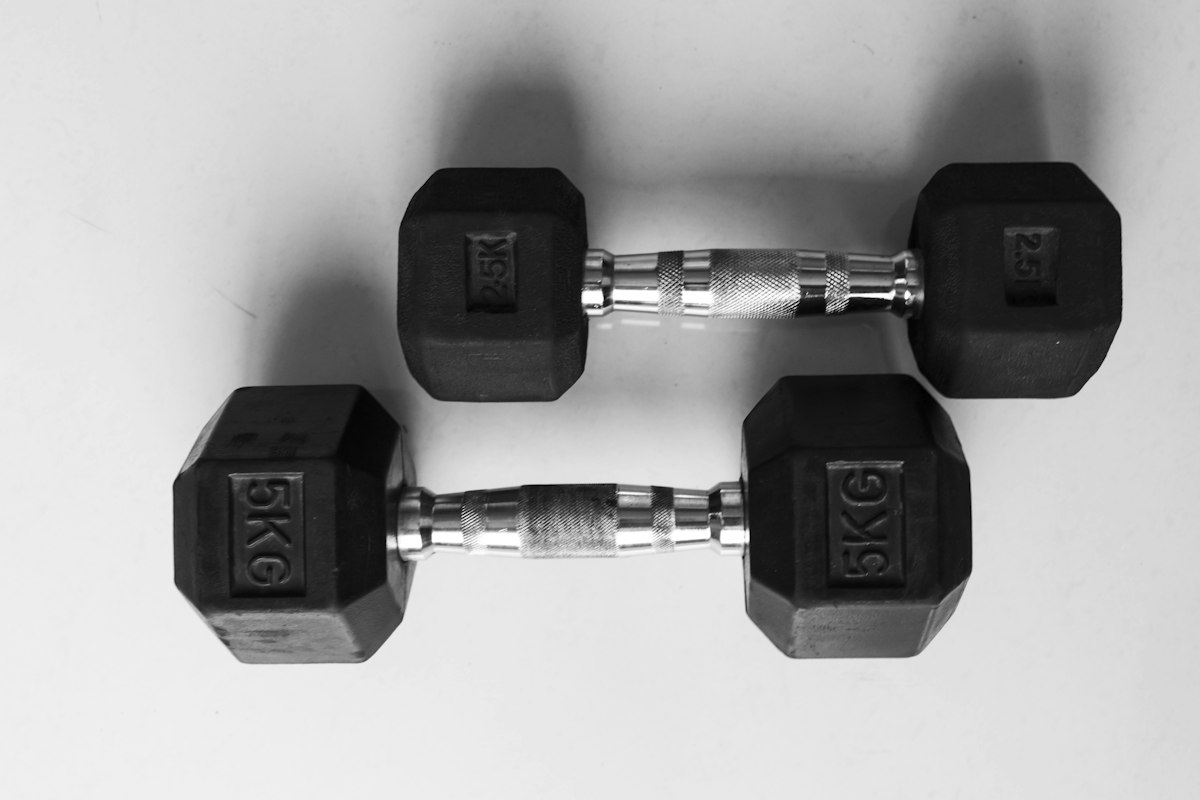
For resistance exercise, our guide to starting strength training at home explains a beginner-friendly approach. People with diabetes complications may need specific precautions or adapted exercises.
Choose a routine that fits your abilities and medical advice. There is no need to abandon all exercise because one type produces an unexpected reading.
When should you stop and seek advice?
Do not try to “burn off” a high glucose reading with strenuous exercise if you are unwell or may have insufficient insulin. For people at risk of ketoacidosis, elevated ketones are a reason to avoid exercise and follow the urgent instructions in their diabetes plan.
Ask your team what glucose and ketone thresholds apply to you before activity. A generic internet cutoff cannot account for your diabetes type, medicines, or current health.
Persistent vomiting, abdominal pain, deep or difficult breathing, confusion, or marked drowsiness requires urgent or emergency assessment. Stop activity if you develop chest pain, severe breathlessness, faintness, or other concerning symptoms.
If you have confirmed low glucose, follow your treatment plan and do not resume exercise until it is safe. Carry the supplies your team recommends when you are away from home.
Judge exercise by the broader pattern
When blood sugar rises after exercise, ask what happened, how long it lasted, and whether it recurs under similar conditions. A brief rise after intense effort has a different meaning from persistent hyperglycemia with illness.
With appropriate monitoring and treatment guidance, many people can continue activity safely. The aim is a routine that supports long-term health while respecting your individual glucose response.
Want support with your everyday health habits?
Explore educational lifestyle support alongside your diabetes care plan. Explore One-on-One Consultation Options.