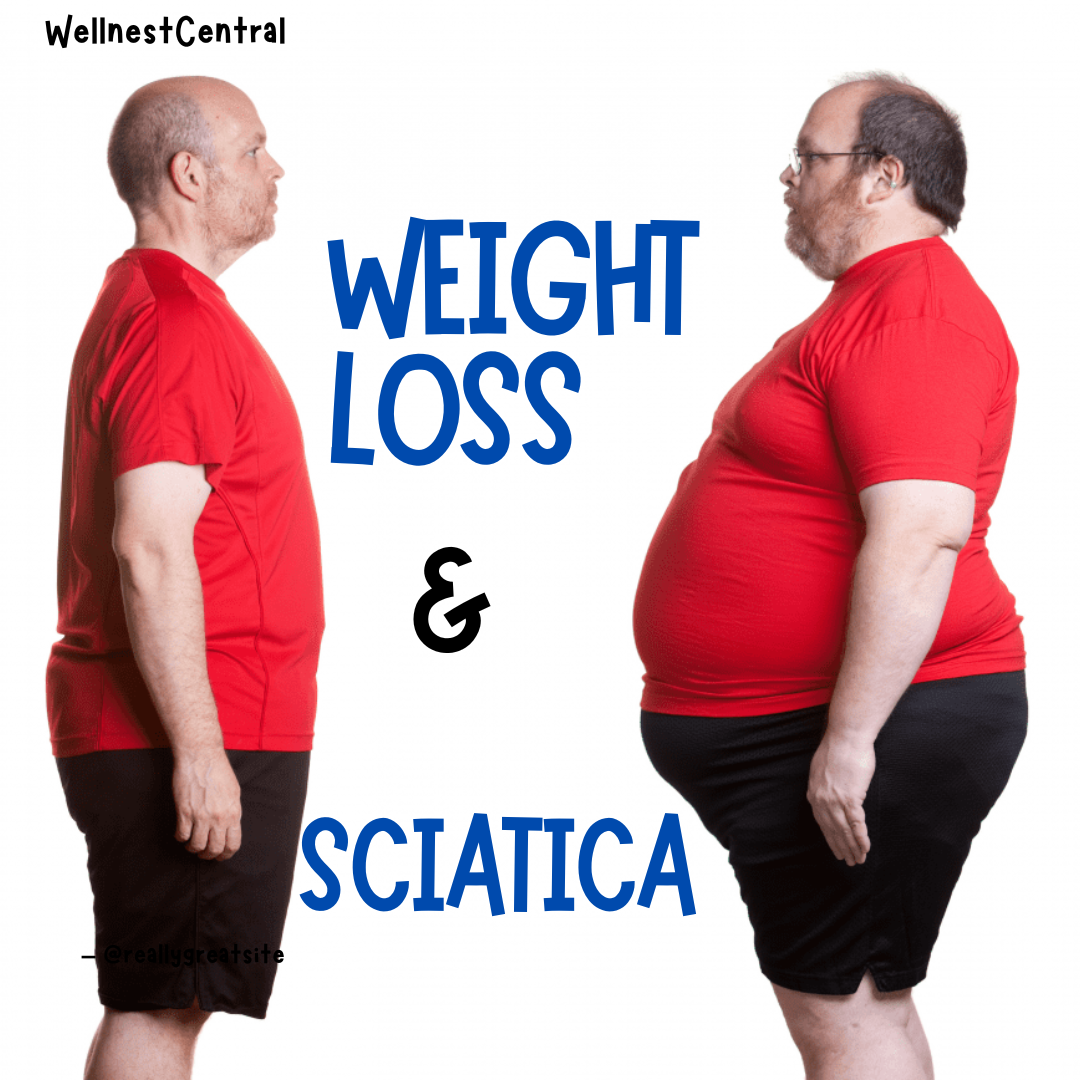
Can weight loss help sciatica? It may help some people—particularly when excess body weight contributes to back strain or makes activity more difficult—but it is not a guaranteed cure. Sciatica is nerve-related pain caused by irritation or compression of a nerve root in the lower spine. The underlying cause, symptom severity and overall health matter more than a number on the scale alone.
Many people with sciatica improve over time without surgery. A sensible plan usually focuses on staying active within tolerance, treating the cause appropriately and reducing barriers to movement. If weight loss is medically suitable, gradual change may support those goals without blaming the person for their pain.
BUILD A GENTLE, REALISTIC ROUTINE
A one-on-one consultation can help you organise meals, activity, sleep and stress around your current mobility while you follow appropriate medical or physiotherapy care.
What Sciatica Actually Means
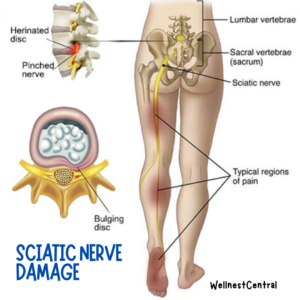
Sciatica describes pain and other symptoms along the path of the sciatic nerve. The pain often begins in the lower back or buttock and travels down one leg. Tingling, numbness or weakness may also occur. A herniated disc is a common cause; spinal stenosis, spondylolisthesis and other spinal problems can also compress or irritate a nerve root.
Back pain alone is not necessarily sciatica. Hip arthritis, bursitis, muscle problems and knee conditions can produce overlapping symptoms, so an examination can be useful when the pattern is unclear.
How Body Weight May Affect Symptoms
Mechanical Load
A higher body weight can increase the load placed on the spine and lower-limb joints. Abdominal weight may also change posture and make some movements more demanding. Reducing that load could make walking, exercise and daily activities more comfortable for some people.
Activity and Conditioning
Pain can reduce activity, and reduced activity can lead to lower strength and endurance. If gradual weight loss and appropriate movement make activity easier, they may indirectly support recovery and function.
Inflammation and Overall Health
Excess body fat can be associated with metabolic and inflammatory changes, but sciatica is not simply “inflammation caused by weight.” A compressed nerve root still needs proper assessment. Weight loss should not be presented as a substitute for treatment of progressive weakness or another serious cause.
What the Evidence Does Not Promise
There is a stronger association between excess weight and back-pain risk than there is proof that weight loss alone cures sciatica. Symptoms may improve, remain unchanged or fluctuate even when weight decreases. A person at any body size can develop a herniated disc or spinal stenosis.
Measure success with pain pattern, walking tolerance, sleep, strength and normal activity as well as weight. If symptoms are worsening while weight is falling, do not assume you simply need to lose more.
How to Pursue Weight Loss Without Aggravating Sciatica
1. Start With Food Changes That Do Not Depend on Exercise
Weight loss can begin with meal structure, portions and drinks while mobility is limited. Build meals around protein, vegetables or fruit, high-fibre carbohydrates and suitable fats. Avoid severe restriction, because under-fuelling can worsen fatigue and make rehabilitation harder.
Use these ten practical steps for a sustainable weight-loss journey as a starting framework.
2. Keep Moving Within Tolerance
Prolonged bed rest is generally unhelpful. Short, frequent walks or gentle movement may be better tolerated than one long session. Change position regularly if sitting increases leg pain.
An activity is not automatically harmful because symptoms are present, but sharp escalation, new weakness or loss of control needs reassessment. A physiotherapist can match exercises to the suspected source and your current abilities.
3. Choose Lower-Impact Options
Walking, pool exercise, a recumbent bicycle or carefully selected strength exercises may reduce impact. The right option is the one that does not produce a sustained worsening of radiating pain, numbness or weakness.
4. Progress One Variable at a Time
Increase duration, frequency or intensity gradually rather than changing everything in one week. Recovery, sleep and technique matter. Avoid using painkillers simply to push through an activity that repeatedly aggravates symptoms.
When Weight Loss Is Not the Immediate Priority
During severe acute pain, the immediate goals may be sleep, safe movement and assessment. Pregnancy, an eating disorder, frailty, significant unintentional weight loss or another serious illness also changes the plan. In these situations, weight reduction may be inappropriate or need close professional supervision.
Symptoms That Need Urgent Assessment
Seek urgent care for numbness around the genitals or anus, difficulty starting urination, loss of bladder or bowel control, severe or worsening weakness in both legs, or sciatica on both sides. These can indicate serious pressure on the nerves at the base of the spine.
Prompt assessment is also important for fever, unexplained weight loss, pain after major trauma, a history of cancer, or pain that is rapidly worsening. Do not interpret unintentional weight loss as a positive outcome.
A Practical Combined Plan
- Confirm that the symptom pattern is consistent with sciatica.
- Continue normal activity as much as reasonably possible.
- Use food changes to create a modest, sustainable energy deficit if weight loss is appropriate.
- Add gentle aerobic and strength work gradually.
- Track function and neurological symptoms—not only kilograms.
- Reassess if pain, numbness or weakness is worsening.
If pain seems to centre on the hip, read how sciatic pain differs from common hip conditions.
Sources
- NHS: Sciatica
- National Institute of Arthritis and Musculoskeletal and Skin Diseases: Back pain
- American Academy of Orthopaedic Surgeons: Sciatica
This article is for general education and does not diagnose the cause of leg pain or replace medical or physiotherapy care.
MAKE HEALTH CHANGES WITHOUT FIGHTING YOUR BODY
Get personalised lifestyle support for meals, gentle activity, sleep and stress while keeping nerve symptoms under appropriate professional care.
Anthony Ofori | Medical Graduate in General Medicine | Founder, WellNest Central


Pingback: Sciatic Nerve and Hip Pain: Causes, Clues and Safe Next Steps - Wellnest Central
Pingback: Sciatica Surgery: Benefits, Risks and When It May Be Considered - Wellnest Central