
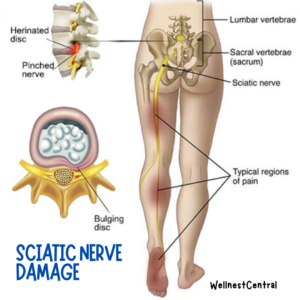
Sciatic nerve and hip pain often overlap, but pain felt near the hip does not always begin in the hip joint. Sciatica usually results from irritation or compression of a nerve root in the lower spine and may send pain through the buttock and down one leg.
Hip arthritis, bursitis, tendon problems and muscle strain can produce similar discomfort. The location, movements that trigger pain, neurological symptoms and examination findings help separate these possibilities. A confident diagnosis should not be based on one stretch or online symptom list.
SUPPORT YOUR MOBILITY WITHOUT EXTREME FIXES
A one-on-one consultation can help you organise gentle activity, nutrition, sleep and stress habits around your symptoms while you follow suitable medical or physiotherapy care.
What Sciatic Pain Near the Hip Often Feels Like
Sciatica commonly affects the buttock and the back or outer part of one leg. It may feel sharp, burning, electric or like a severe cramp. Tingling, numbness or weakness can occur, and coughing, sneezing, bending or prolonged sitting may worsen the symptoms.
The hip area can feel like the starting point even though the irritated nerve root is in the lower spine. Pain may continue below the knee, but it does not have to reach the foot in every case.
Clues That the Hip Joint or Nearby Tissues May Be Involved
Hip-joint pain often centres in the groin or front of the thigh and may worsen with putting on shoes, getting into a car or rotating the hip. Pain on the outer side of the hip can arise from tendons or a bursa and may be worse when lying on that side. Muscle strain may follow a clear increase in activity or awkward movement.
These are patterns, not rules. Back and hip conditions can exist together, especially when pain changes the way someone walks.
Common Causes of Sciatica
Herniated Disc
Material from a spinal disc can press on or inflame a nearby nerve root. Symptoms may begin suddenly and can worsen with coughing, sneezing or certain positions.
Spinal Stenosis
Narrowing around the spinal nerves can produce leg pain, heaviness or numbness, often during standing or walking. Some people feel better when sitting or leaning forward.
Spondylolisthesis and Degenerative Changes
A vertebra can slip relative to another, or age-related changes can reduce space around a nerve. Imaging findings must be interpreted with symptoms because many changes are also seen in people without pain.
Less Common Causes
Infection, fracture, tumour and severe nerve compression are uncommon but important. A history of cancer, fever, major trauma, immune suppression or unexplained weight loss changes the urgency of assessment.
Safe First Steps for Many People
Continue Normal Activity as Much as Possible
Prolonged bed rest can increase stiffness and reduce conditioning. Try short walks, gentle daily tasks and regular position changes. Reduce the activity that causes a marked and lasting increase in radiating pain, but avoid stopping all movement unless a clinician advises it.
Adjust Sitting and Sleep Positions
Support the lower back, keep both feet supported and take breaks from long sitting. In bed, some people feel more comfortable with a pillow between the knees when side-lying or beneath the knees when lying on the back.
Use Heat or Cold Carefully
A wrapped heat or cold pack may provide temporary comfort. Avoid direct skin contact and prolonged exposure. Numb areas can be injured without producing the normal warning sensation.
Ask About Suitable Pain Relief
A pharmacist or clinician can review options and interactions. Anti-inflammatory medicines are not safe for everyone, including some people with kidney disease, ulcers, anticoagulant use, pregnancy, heart disease or high blood pressure.
Exercises Should Match the Pattern
No single “sciatica stretch” works for everyone. A movement that reduces leg symptoms for one person may worsen them for another. Start gently and stop repeatedly provoking severe radiating pain.
A physiotherapist may assess strength, sensation, reflexes, hip movement and the way symptoms respond to spinal positions. The goal is often to restore confidence, movement and function—not to force the nerve through pain.
Weight and Sciatica
If excess body weight contributes to spinal load or limits activity, gradual weight loss may help function. It is not a guaranteed cure and should not delay assessment of weakness or other neurological changes. Read what the evidence suggests about weight loss and sciatica.
When to Arrange an Assessment
See a healthcare professional if pain has not improved after a few weeks, is getting worse, repeatedly returns or prevents normal activity. Assessment is also appropriate for persistent numbness or weakness, uncertainty about whether the source is the back or hip, or significant night pain.
If pain is being felt mainly at the knee, use the sciatica-versus-knee-pain guide to understand the different patterns.
Urgent Warning Signs
Seek urgent care for numbness around the genitals or anus, inability to start urinating, loss of bladder or bowel control, sciatica affecting both sides, or severe and worsening weakness in both legs. These can indicate serious compression of the nerves at the base of the spine.
Urgent assessment is also important after major trauma or when pain occurs with fever, unexplained weight loss, a history of cancer, a hot swollen joint, or inability to bear weight.
Sources
- NHS: Sciatica
- American Academy of Orthopaedic Surgeons: Sciatica
- National Institute of Arthritis and Musculoskeletal and Skin Diseases: Back pain
This article is for general education and does not diagnose hip or nerve pain or replace medical or physiotherapy care.
BUILD A ROUTINE THAT SUPPORTS COMFORT AND FUNCTION
Get practical lifestyle support for movement, recovery, nutrition and sleep alongside appropriate treatment for the cause of your pain.
Anthony Ofori | Medical Graduate in General Medicine | Founder, WellNest Central


Pingback: Facing the Fear: Is Sciatica Surgery Dangerous? The Truth About Risks and Rewards - Wellnest Central
Pingback: Understanding Knee Pain ICD-10 Codes: A Comprehensive Guide to Accurate Diagnosis - Wellnest Central
Pingback: 7 Alarming Causes of Knee Pain and Calf Pain (And How to Find Relief Now!) - Wellnest Central