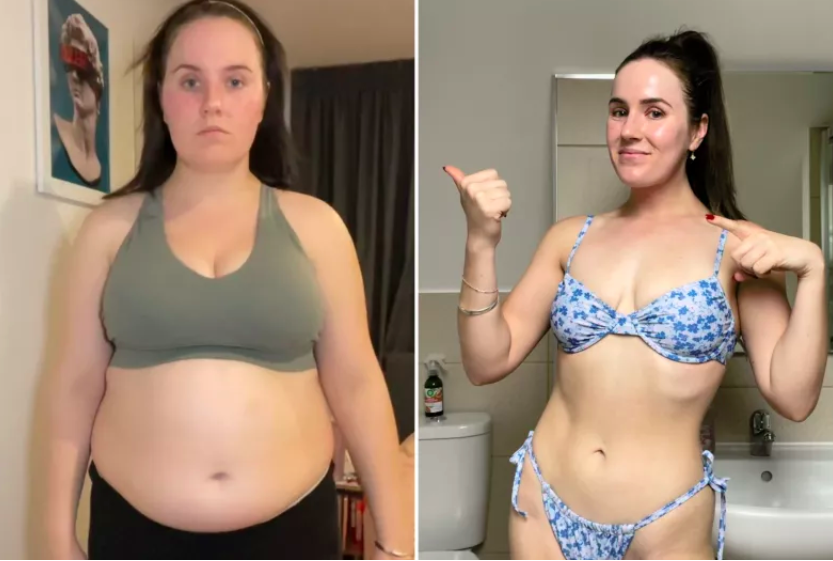
How weight loss changes your face depends on where your body naturally stores fat, how much weight you lose, how quickly it changes, your age, genetics and skin elasticity. Some people notice a sharper jawline early; others see little facial change until later.
These changes are not automatically good or bad, and they do not determine your health or worth. The goal of weight management should be improved wellbeing and sustainable habits—not chasing one particular face shape.
PERSONALISED WEIGHT-MANAGEMENT SUPPORT
A one-on-one consultation can help you build a realistic nutrition, movement, sleep and stress plan focused on whole-health progress rather than appearance alone.
1. Less Fullness in the Cheeks
Facial fat contributes to cheek volume and varies widely between people. With overall fat loss, the cheeks may look less round or full. The change may be subtle, pronounced or uneven at different stages.
Spot-reducing facial fat is not possible. Facial exercises may strengthen small muscles, but they cannot direct where the body loses fat.
2. A More Visible Jawline or Chin
Reduced fat beneath the skin may make the jawline and chin appear more defined. Bone structure has not changed; it has simply become more visible. Genetics strongly influence the final appearance, so comparing your face with edited transformation images is rarely helpful.
3. Changes in Facial Puffiness
Short-term facial puffiness can reflect fluid balance, alcohol, sleep, salt intake, allergies, medicines or illness—not only body fat. This is why the face can look different from one morning to the next even when body fat has not changed.
Sudden swelling of the face, lips or tongue—especially with breathing difficulty—needs emergency care. Persistent one-sided swelling also deserves medical assessment.
4. Looser Skin or More Visible Lines
After substantial weight loss, skin may not immediately adapt to the smaller volume underneath it. Fine lines, folds or looseness around the cheeks, jaw or neck may become more noticeable. Age, genetics, sun exposure, smoking history, the amount of weight lost and the speed of change can all influence this.
Skin adaptation takes time, and no cream can guarantee tightening. Protecting the skin from ultraviolet exposure, avoiding smoking, eating adequately and allowing gradual progress support general skin health without promising a cosmetic result.
5. The Eyes May Look More Prominent
When surrounding facial fullness decreases, the eyes, cheekbones and other features may appear more prominent. Some people like the change; others feel that they look tired. Neither reaction is wrong.
Persistent dark circles, eye swelling or vision changes should not automatically be attributed to weight loss. Allergies, sleep problems, anaemia, thyroid disease and other conditions may need consideration.
6. Hair and Skin May Reflect How You Lost Weight
A balanced, gradual plan may support energy and nutrition, but extreme restriction can have unwanted effects. Rapid or substantial weight loss can trigger temporary excessive hair shedding in some people, often after a delay. Read our guide to hair loss after weight loss for the warning signs and sensible next steps.
Dryness, fatigue, mouth problems or easy bruising can have many causes. Do not respond by buying multiple high-dose supplements without assessment; excess intake can also be harmful.
7. Confidence May Change—But Not Always as Expected
Some people feel more confident as mobility, sleep or health markers improve. Others need time to adjust to a changing appearance, loose skin or comments from other people. Weight loss does not automatically resolve anxiety, low self-esteem or body-image distress.
Measure success with more than photographs. Energy, strength, blood pressure, blood sugar, sleep, mobility, consistency and quality of life may be more meaningful indicators.
How to Support Healthy Facial and Whole-Body Changes
- Aim for gradual progress: extreme deadlines increase the risk of an unsustainable plan.
- Eat enough protein and varied foods: build meals that meet nutritional needs rather than relying on supplements.
- Include resistance exercise: preserving muscle matters during weight loss.
- Sleep and hydrate adequately: both can influence how you feel and temporary facial puffiness.
- Use sun protection: ultraviolet exposure contributes to premature skin ageing.
- Review progress periodically: our article on weight regain and long-term maintenance explains why adjustments are normal.
When Weight Loss Needs Medical Assessment
Seek medical advice if weight loss is unintentional, unusually rapid, accompanied by persistent vomiting or diarrhoea, severe fatigue, weakness, palpitations, fever, pain or another unexplained symptom. People using prescription weight-management medicines should report significant side effects or difficulty eating and drinking to their prescriber.
Also seek help if thoughts about weight or appearance are leading to severe restriction, bingeing, purging, compulsive exercise or significant distress. Health improvement should not require harming your physical or mental wellbeing.
Sources
This article is for general health education and does not replace individual medical, nutritional or mental-health care.
FOCUS ON SUSTAINABLE, WHOLE-HEALTH PROGRESS
Book a private one-on-one consultation with Anthony Ofori for practical, personalised support with balanced nutrition, movement and realistic weight-management habits.